Women's Health
Explore tailored approaches specific to women's health, such as hormonal balance, reproductive health, and overall well-being. Our resources provide insights into nutrition, lifestyle, and holistic practices for women at every life stage.Perimenopause: An Underrecognized Neuroendocrine and Metabolic Transition
Betsy Miller, MS, CNS, RH(AHG), DCN-c
(15 min read)
Perimenopause is not just a state of declining estrogen and progesterone. It is an era of a woman’s life that signals a complete shift of mind and body out of the reproductive years and into an entirely different hormonal landscape than they have ever experienced. While typically beginning in the mid-to-late 40’s, this era can start as early as a woman’s mid-thirties, showing up as subtle signs & symptoms that may not correlate with the deeper current of endocrine shifts that can include new difficulty sleeping, unexpected weight gain, increasing anxiety and/or irritability, cognitive changes and increasing vasomotor symptoms.
For many women, the beginning of this transitional period, which can last for a decade or more, often goes unrecognized because menstrual cycles are still present and relatively regular. Even certain lab values out of range, including lipid panels or thyroid markers, may not initially be attributed to perimenopause.
Perimenopause: A Relatively New Term in Medical Care
Perimenopause wasn’t even recognized as its own health experience, unique and distinct from menopause, until it was added to the medical literature in the 1980’s. Reproductive endocrinologists and women's health specialists, including Dr. Wulf H. Utian, began doing extensive research to distinguish the transition period before menopause, officially introducing the name "perimenopause" into scientific terminology.1 The outdated, simplistic view of menopause as a sudden, singular shift from ‘premenopausal’ to ‘postmenopausal’ has shaped the current landscape of inadequate care for women experiencing years of challenges due to ongoing hormonal changes. Fortunately, alongside targeted assessment to gain clearer insight into a woman’s hormonal and metabolic status, nutrition, supplementation, and medicinal herbs offer unique inroads to support endocrine and metabolic resilience through the perimenopausal era.
The Dance of the Hormones: Perimenopausal Transition
During perimenopause, the ovaries slowly begin to produce less estrogen and progesterone, resulting in:
Cycle length variability
Skipped cycles
Increasing anovulatory cycles
prolonged amenorrhea intervals
Clinically, these hormone shifts can result in a diversity of symptom experience, including increased premenstrual mood changes, heavier or more irregular bleeding due to less predictable progesterone opposition of estrogen, brain fog and memory disruption, weight gain- especially central adiposity, sleep disturbance and reduced stress tolerance.
Challenges of Hormonal Lab Testing during Perimenopause
The challenge with assessing hormone shifts during this time is that perimenopause is often characterized by estrogen volatility rather than simple estrogen deficiency, meaning that hormone testing may not necessarily reflect what is truly happening behind the scenes. A woman may get a hormone panel done that shows values within normal range for that particular snapshot in time. However, the continuous fluctuations of estrogen and progesterone month-to-month create the menstrual and metabolic changes that may not be reflected in a single test. For most women, perimenopause becomes a primarily clinical diagnosis, relying on observation of menstrual changes, metabolic irregularities, cognitive changes and sleep patterns. Assessing certain key labs like thyroid and lipid panels, as well as hemoglobin A1C and fasting insulin, can give a practitioner deeper insight into the metabolic downstream effects of reproductive shifts.
Therapeutic Pathways for Addressing Perimenopause
While the fluctuations and eventual decline of estrogen and progesterone are at the core of the shift through perimenopause and menopause, the subsequent impact on all other systems in the body plays a significant role in the way a woman experiences this transitional era. The pathways of sleep regulation, metabolic function, cognitive function and energy are all intertwined, with disruption in one area due to hormone shifts frequently causing a ripple effect of dysfunction through the other pathways.
Nutritional Strategies for Navigating the Hormone Rollercoaster
A Mediterranean-style, plant-forward dietary pattern that emphasizes vegetables, legumes, fruit, whole grains, nuts, seeds, fish, olive oil, and dietary fiber is widely considered one of the most effective nutritional strategies for managing many of the metabolic and endocrine features of perimenopause, including insulin resistance, elevated cholesterol, weight gain and elevated cardiovascular risk.2 The Mediterranean diet is so beneficial for hormone health in particular because it is rich in beneficial dietary fats.
Polyunsaturated Fatty Acids (PUFAs)
Dietary fats, particularly Polyunsaturated Fatty Acids (PUFAs) act as the structural building blocks for essential steroid hormones, including estrogen and progesterone. Without adequate dietary fat intake, the endocrine system struggles to synthesize adequate amounts of these hormones, further aggravating the natural decline during perimenopause.3 Healthy fats also have profound anti-inflammatory effects that carry over into both nervous system health and cardiometabolic health.
In one particular study, 2 g/day of EPA and DHA was shown to improve the symptoms of major depressive disorder associated with the menopausal transition 4, while varying doses have been shown in preclinical and epidemiological evidence to improve cognitive function- a major concern for many women throughout perimenopause.5
Phytoestrogens
Alongside beneficial fats, supplementation and dietary intake of phytoestrogens should be considered a core therapeutic approach for calming the erratic hormonal fluctuations experienced by most perimenopausal women. Phytoestrogens, or naturally-produced plant compounds that gently mimic endogenous estrogen, are found in several foods and medicinal plants, including soy, flaxseeds, sesame seeds, legumes, cruciferous vegetables, red clover, hops, licorice and kudzu. Phytoestrogens, which include the phenolic compounds isoflavones, stilbenes, coumestans and lignans, structurally resemble the body’s native estrogen, enabling them to bind to both ER-α and ER-β receptors throughout the body, but with less potent activity than endogenous estrogen.6
In cases of estrogen dominance, phytoestrogens act as mild estrogen antagonists, competitively binding to estrogen receptors so that native estrogens don’t exhibit as strong an effect. During periods of estrogen deficiency, such as through perimenopause into menopause, these compounds serve as gentle stimulants to the estrogen receptors, easing the drop in endogenous estrogen production. Clinical and preclinical studies indicate that phytoestrogens have potential to mitigate many of the symptoms of perimenopause and menopause, including hot flashes, cardiovascular disease, and genitourinary syndrome.7,8
A 50-80 mg daily dosage of phytoestrogens, specifically isoflavones, was shown to improve hot flashes by 92% and improve metabolic parameters. These doses were established to be safe for reproductive tissue, likely due to a preferential binding affinity for ER-β over ER-α.9 Phytoestrogens are even able to improve bone density, which is significantly impacted by the decrease in estrogen throughout perimenopause as bone resorption begins to outpace new bone formation 10. Twice daily doses of 75 mg of resveratrol, a phytoestrogen found in grape skins and Japanese knotweed among other sources, over the course of 12 months was shown to decrease bone resorption, improve microstructure and downregulate inflammatory cytokines that accelerate bone loss.11
Calcium and Vitamin D
Alongside phytoestrogens, ensuring adequate calcium and vitamin D intake to support bone density is essential for women going through perimenopause. For women below age 50 the Recommended Daily Allowance for calcium from both food sources and supplementation is 1000 mg/day, while for women over the age of 50 that RDA increases to 1200 mg/day. Dark leafy greens, fish with edible bones such as canned sardines and salmon, and dairy products are all excellent sources of calcium. However, supplementation may be necessary for anyone not able to reach that RDA through diet alone.
Herbal Allies during Perimenopause
Partnering with the foundation of nutrition, certain key herbs can be utilized to ease the hormone fluctuations that come with perimenopause.
Chaste tree
Chaste tree (Vitex agnus-castus) has a long history of use in herbal medicine for supporting women’s reproductive health, particularly menstrual irregularities and perimenopause/menopause. The part used medicinally is the berry, which contains flavonoids that have been shown in vitro to modulate estrogen receptors,12,13 and diterpenes that demonstrate dopaminergic activity.13 Based on this research and traditional teachings, chaste tree is best indicated for those who are beginning to experience menstrual irregularities and hot flashes as their primary symptoms during perimenopause, with recommended dosages ranging from 30-40 mg.14 Duration of use is also a key factor when using chaste tree - clinical trials show therapeutic effects after three months of consistent use, with a gradual return of symptoms after treatment cessation.15,16
Black Cohosh and St. John’s Wort
Alongside Vitex, black cohosh and St. John’s wort have a long history of use in supporting women during perimenopause and menopause, as well as clinical evidence to support their efficacy in managing hot flashes and other symptoms of hormonal change. The aerial parts of St. John’s wort have traditionally been used as a nervine tonic, specifically indicated in the treatment of menopausal neurosis, excitability and nervous conditions with depression.17,18 Several clinical trials have shown that the combination of black cohosh and St. John’s wort is beneficial in relieving hot flashes, improving lipid panels and mood complaints.19-21
Improving Metabolic Resilience
Weight gain and metabolism changes are two of the most common complaints of women going through perimenopause. Seemingly overnight, exercise and dietary habits that used to keep weight in balance begin to feel like they are no longer effective. Fat begins to accumulate, particularly around the middle and hips, and often is more difficult to lose despite best efforts. Muscle mass should be considered metabolic currency during perimenopause and menopause, and one of the best tools for keeping fat accumulation in check. After age 30, unless actively working to retain muscle, women lose on average 3-8% of their muscle mass per decade, which can reach up to 10% per decade after the age of 50.22 This process, known as sarcopenia, is part of the natural aging process, but is actively fueled by the hormone changes experienced during perimenopause and menopause.
Protein Intake and Resistance Training
Maintaining muscle mass is crucial for women’s metabolic health as it keeps basal metabolic rate elevated, supports insulin sensitivity, reduces cardiovascular risk and even improves cognitive function. The two tenets of protecting muscle mass from the negative effects of hormone shifts are protein intake and resistance training. Protein intake from whole foods and supplemental sources like whey protein should ideally fall between 1-1.2 g/kg/day,3 and strength training incorporated a minimum of 2-3 times per week.23
As important as resistance training is for maintaining muscle mass through the decades, it’s equally as important for supporting bone health. Resistance exercises rebuild and preserve bone density by applying mechanical stress through muscle contractions and gravity, stimulating osteoblasts to deposit minerals for bone formation.24 Along with increasing bone and muscle mass, strength training improves balance, stability, and muscle mass, reducing the likelihood of falls and subsequent injury.
Fiber
Fiber intake is equally as important during perimenopause as protein intake, but specifically for glucose regulation, cardiovascular health and microbiome support rather than muscle mass. Most Americans fall woefully short of the recommended 25 g of fiber daily, and supplementation may be needed to meet or ideally exceed that threshold. A mix of soluble and insoluble fiber from plant sources like avocado, raspberries, chia seeds, apple pectin, psyllium husk and sweet potatoes supports insulin sensitivity and glucose control, lowers cholesterol levels and fuels microbiome balance, which is frequently compromised during perimenopause as estrogen levels fluctuate.3 If a patient is presenting with elevated HbA1C and/or fasting insulin, chromium, berberine, black cumin seed and bitter melon may help support insulin sensitivity glucose regulation alongside fiber and protein intake.
Calming the Inner Storm: Sleep, Energy, and Emotional Shifts
Intimately tied to the metabolic changes that occur with perimenopause are sleep disturbances, energy challenges and both cognitive and emotional changes. These symptoms are very much rooted in hormonal fluctuations, and may be in part improved by the same nutritional and herbal interventions for easing hormone volatility. Additional therapeutic inputs targeted to these specific experiences offer the opportunity for relief in many women.
Sleep Disturbances
Fluctuations of estrogen and progesterone during menopause affect sleep quality, while vasomotor symptoms frequently disrupt sleep entirely and make returning to sleep significantly more difficult. Circadian rhythm and natural melatonin production also frequently change during this period, aggravating the already challenging sleep experience.25 Magnesium plays a crucial role in supporting sleep pathways and stress resilience by quieting the excitability of the nervous system, promoting muscle relaxation and regulating cellular biological clocks and circadian rhythm.
Magnesium deficiency, which is experienced by the majority of Americans, both shortens sleep duration and reduces sleep quality,26 factors that will exacerbate the already disrupted sleep prevalent during perimenopause. Supplementing with whole-food sources of magnesium, such as Swiss chard and buckwheat, to fill nutrient gaps in the diet, offers a key strategy for supporting improved sleep and stress tolerance. Sedative and relaxant herbs like valerian, passionflower, jujube and chamomile may offer additional support for restorative sleep.
Changes in Cognitive Function during Perimenopause
A frequent experience of women during perimenopause is changes to cognitive function; many women report difficulty in focusing, challenges with word recall and a decreasing ability to accomplish cognitive tasks that were once considered easy. A 2025 research review confirmed that perimenopausal brain fog is measurable, not imagined.27 Verbal memory and processing speed are most significantly impacted, even after accounting for sleep disturbances and hot flashes.
Nutritional and lifestyle strategies for improving memory and cognitive ability during perimenopause include:
Stabilizing blood sugar with regular protein and fiber intake
Supporting sleep pathways with magnesium
Mitigating neuroinflammation with omega 3 fatty acids
Easing hormone fluctuations with phytoestrogens
Neuroinflammation
Additionally, the erratic fluctuations and eventual decline of estrogen and progesterone can disrupt the brain’s immune regulation, leading to neuroinflammation that further impacts cognitive function. Herbs that mitigate neuroinflammation may be beneficial in offsetting some of the cognitive decline resulting from hormonal-induced neuroinflammation, including gotu kola, turmeric, boswellia and bupleurum. Read more about those herbs here: Integrating Herbs for Neuroplasticity into Clinical Practice - WholisticMatters.
Iron and Herbal Supplementation for Cognitive Support
Iron supplementation may be a promising candidate for improving both cognitive function and energy levels as it has been associated with improved cognitive performance in premenopausal women with iron deficiency, a common occurrence during perimenopause due to an increase in blood loss with heavy menses 28 Nootropic or cognitive enhancing herbs like gotu kola, bacopa, schisandra and eleuthero can also offer additional support for mental clarity, focus and memory.
Herbs for “Perimenopausal Rage”
Many women experience ‘perimenopausal rage’ as a core symptom- suddenly becoming angry or frustrated at scenarios that they once exhibited a much higher stress tolerance for. This increased rage and loss of stress tolerance is rooted not just in the hormone shifts, but the accompanying fallout of sleep disruption, frustration at metabolic changes, glucose fluctuations and even significant life changes that often occur during this age range. Alongside the use of nutrition and herbs to support endocrine function, sleep and metabolic flexibility, calming nervine herbs like motherwort, skullcap, St. John's wort, saffron and chamomile can help to cool that rage- like releasing the valve slightly on a pressure cooker before what feels like an inevitable explosion.
Estrogen Clearance
During perimenopause, the erratic, volatile nature of estrogen fluctuations can often cause the hormone to surge, fueling estrogen-dominant symptoms such as heavy periods, increased PMS, mood swings, the experience of perimenopausal rage and weight gain- especially in individuals who were estrogen dominant prior to the onset of perimenopause. Supporting healthy estrogen metabolism can help to mitigate these symptoms and ease the surges of excess estrogen experienced by many women during this time.
Cruciferous vegetables, such as kale, Brussels sprouts and Spanish Black Radish, contain compounds called glucosinolates, which support the liver in shifting estrogen pathways towards safer, less reactive metabolites and improve estrogen detoxification rather than recirculation. Increasing dietary fiber, or adding a fiber supplement, further supports estrogen detoxification by binding to excess estrogen in the gut and facilitating its elimination rather than reabsorption into the blood stream.
Clinical Takeaways: A Whole Body Approach to Managing Perimenopause Symptoms
Perimenopause is not simply a decline in estrogen, but a complex neuroendocrine, reproductive, metabolic, and inflammatory transition fueled by hormone volatility. Through nutrition, supplements, and herbs, health care providers can support their patients by improving endocrine stability and metabolic function, regulating sleep pathways and stress tolerance, and easing the mental and emotional symptoms. This transition can be challenging for so many women. A wholistic approach to supporting body and mind allows them transition with more ease away from their reproductive years and into a new era of health and empowerment.
Clinical Recommendations Summary
Labs
Full thyroid panel
Iron panel
Fasting insulin, HbA1C, fasting glucose
Female hormone panel
Salivary cortisol
Supplements
Foundational hormone support: Omega 3 fatty acids, Vitamin D, phytoestrogens (resveratrol), Chaste tree
Bone Health: Calcium, vitamin D, resveratrol
Estrogen Metabolism: Spanish Black Radish, cruciferous vegetables, fiber
Cognitive & Emotional Support: magnesium, iron, St. John’s wort, black cohosh, saffron, motherwort, skullcap,
Metabolic Regulation: protein , fiber, magnesium, black cumin seed, bitter melon, fenugreek, cinnamon, berberine
Diet and Lifestyle
Low-glycemic, Mediterranean-style diet
Regular movement, combining strength training and cardiovascular exercise
Prioritize sleep, 7-9 hours nightly
Did you know WholisticMatters is powered by Standard Process? Learn more about Standard Process’ whole food-based nutrition philosophy.
Supplements for Healthcare Practitioners
Join a community of 60,000+ like-minded healthcare professionals. A relationship with Standard Process offers networking opportunities, and an array of educational resources and tools to help grow your practice.
Learn more
Read Article
Perimenopause: An Underrecognized Neuroendocrine and Metabolic Transition
Betsy Miller, MS, CNS, RH(AHG), DCN-c
(15 min read)
Perimenopause is not just a state of declining estrogen and progesterone. It is an era of a woman’s life that signals a complete shift of mind and body out of the reproductive years and into an entirely different hormonal landscape than they have ever experienced. While typically beginning in the mid-to-late 40’s, this era can start as early as a woman’s mid-thirties, showing up as subtle signs & symptoms that may not correlate with the deeper current of endocrine shifts that can include new difficulty sleeping, unexpected weight gain, increasing anxiety and/or irritability, cognitive changes and increasing vasomotor symptoms.
For many women, the beginning of this transitional period, which can last for a decade or more, often goes unrecognized because menstrual cycles are still present and relatively regular. Even certain lab values out of range, including lipid panels or thyroid markers, may not initially be attributed to perimenopause.
Perimenopause: A Relatively New Term in Medical Care
Perimenopause wasn’t even recognized as its own health experience, unique and distinct from menopause, until it was added to the medical literature in the 1980’s. Reproductive endocrinologists and women's health specialists, including Dr. Wulf H. Utian, began doing extensive research to distinguish the transition period before menopause, officially introducing the name "perimenopause" into scientific terminology.1 The outdated, simplistic view of menopause as a sudden, singular shift from ‘premenopausal’ to ‘postmenopausal’ has shaped the current landscape of inadequate care for women experiencing years of challenges due to ongoing hormonal changes. Fortunately, alongside targeted assessment to gain clearer insight into a woman’s hormonal and metabolic status, nutrition, supplementation, and medicinal herbs offer unique inroads to support endocrine and metabolic resilience through the perimenopausal era.
The Dance of the Hormones: Perimenopausal Transition
During perimenopause, the ovaries slowly begin to produce less estrogen and progesterone, resulting in:
Cycle length variability
Skipped cycles
Increasing anovulatory cycles
prolonged amenorrhea intervals
Clinically, these hormone shifts can result in a diversity of symptom experience, including increased premenstrual mood changes, heavier or more irregular bleeding due to less predictable progesterone opposition of estrogen, brain fog and memory disruption, weight gain- especially central adiposity, sleep disturbance and reduced stress tolerance.
Challenges of Hormonal Lab Testing during Perimenopause
The challenge with assessing hormone shifts during this time is that perimenopause is often characterized by estrogen volatility rather than simple estrogen deficiency, meaning that hormone testing may not necessarily reflect what is truly happening behind the scenes. A woman may get a hormone panel done that shows values within normal range for that particular snapshot in time. However, the continuous fluctuations of estrogen and progesterone month-to-month create the menstrual and metabolic changes that may not be reflected in a single test. For most women, perimenopause becomes a primarily clinical diagnosis, relying on observation of menstrual changes, metabolic irregularities, cognitive changes and sleep patterns. Assessing certain key labs like thyroid and lipid panels, as well as hemoglobin A1C and fasting insulin, can give a practitioner deeper insight into the metabolic downstream effects of reproductive shifts.
Therapeutic Pathways for Addressing Perimenopause
While the fluctuations and eventual decline of estrogen and progesterone are at the core of the shift through perimenopause and menopause, the subsequent impact on all other systems in the body plays a significant role in the way a woman experiences this transitional era. The pathways of sleep regulation, metabolic function, cognitive function and energy are all intertwined, with disruption in one area due to hormone shifts frequently causing a ripple effect of dysfunction through the other pathways.
Nutritional Strategies for Navigating the Hormone Rollercoaster
A Mediterranean-style, plant-forward dietary pattern that emphasizes vegetables, legumes, fruit, whole grains, nuts, seeds, fish, olive oil, and dietary fiber is widely considered one of the most effective nutritional strategies for managing many of the metabolic and endocrine features of perimenopause, including insulin resistance, elevated cholesterol, weight gain and elevated cardiovascular risk.2 The Mediterranean diet is so beneficial for hormone health in particular because it is rich in beneficial dietary fats.
Polyunsaturated Fatty Acids (PUFAs)
Dietary fats, particularly Polyunsaturated Fatty Acids (PUFAs) act as the structural building blocks for essential steroid hormones, including estrogen and progesterone. Without adequate dietary fat intake, the endocrine system struggles to synthesize adequate amounts of these hormones, further aggravating the natural decline during perimenopause.3 Healthy fats also have profound anti-inflammatory effects that carry over into both nervous system health and cardiometabolic health.
In one particular study, 2 g/day of EPA and DHA was shown to improve the symptoms of major depressive disorder associated with the menopausal transition 4, while varying doses have been shown in preclinical and epidemiological evidence to improve cognitive function- a major concern for many women throughout perimenopause.5
Phytoestrogens
Alongside beneficial fats, supplementation and dietary intake of phytoestrogens should be considered a core therapeutic approach for calming the erratic hormonal fluctuations experienced by most perimenopausal women. Phytoestrogens, or naturally-produced plant compounds that gently mimic endogenous estrogen, are found in several foods and medicinal plants, including soy, flaxseeds, sesame seeds, legumes, cruciferous vegetables, red clover, hops, licorice and kudzu. Phytoestrogens, which include the phenolic compounds isoflavones, stilbenes, coumestans and lignans, structurally resemble the body’s native estrogen, enabling them to bind to both ER-α and ER-β receptors throughout the body, but with less potent activity than endogenous estrogen.6
In cases of estrogen dominance, phytoestrogens act as mild estrogen antagonists, competitively binding to estrogen receptors so that native estrogens don’t exhibit as strong an effect. During periods of estrogen deficiency, such as through perimenopause into menopause, these compounds serve as gentle stimulants to the estrogen receptors, easing the drop in endogenous estrogen production. Clinical and preclinical studies indicate that phytoestrogens have potential to mitigate many of the symptoms of perimenopause and menopause, including hot flashes, cardiovascular disease, and genitourinary syndrome.7,8
A 50-80 mg daily dosage of phytoestrogens, specifically isoflavones, was shown to improve hot flashes by 92% and improve metabolic parameters. These doses were established to be safe for reproductive tissue, likely due to a preferential binding affinity for ER-β over ER-α.9 Phytoestrogens are even able to improve bone density, which is significantly impacted by the decrease in estrogen throughout perimenopause as bone resorption begins to outpace new bone formation 10. Twice daily doses of 75 mg of resveratrol, a phytoestrogen found in grape skins and Japanese knotweed among other sources, over the course of 12 months was shown to decrease bone resorption, improve microstructure and downregulate inflammatory cytokines that accelerate bone loss.11
Calcium and Vitamin D
Alongside phytoestrogens, ensuring adequate calcium and vitamin D intake to support bone density is essential for women going through perimenopause. For women below age 50 the Recommended Daily Allowance for calcium from both food sources and supplementation is 1000 mg/day, while for women over the age of 50 that RDA increases to 1200 mg/day. Dark leafy greens, fish with edible bones such as canned sardines and salmon, and dairy products are all excellent sources of calcium. However, supplementation may be necessary for anyone not able to reach that RDA through diet alone.
Herbal Allies during Perimenopause
Partnering with the foundation of nutrition, certain key herbs can be utilized to ease the hormone fluctuations that come with perimenopause.
Chaste tree
Chaste tree (Vitex agnus-castus) has a long history of use in herbal medicine for supporting women’s reproductive health, particularly menstrual irregularities and perimenopause/menopause. The part used medicinally is the berry, which contains flavonoids that have been shown in vitro to modulate estrogen receptors,12,13 and diterpenes that demonstrate dopaminergic activity.13 Based on this research and traditional teachings, chaste tree is best indicated for those who are beginning to experience menstrual irregularities and hot flashes as their primary symptoms during perimenopause, with recommended dosages ranging from 30-40 mg.14 Duration of use is also a key factor when using chaste tree - clinical trials show therapeutic effects after three months of consistent use, with a gradual return of symptoms after treatment cessation.15,16
Black Cohosh and St. John’s Wort
Alongside Vitex, black cohosh and St. John’s wort have a long history of use in supporting women during perimenopause and menopause, as well as clinical evidence to support their efficacy in managing hot flashes and other symptoms of hormonal change. The aerial parts of St. John’s wort have traditionally been used as a nervine tonic, specifically indicated in the treatment of menopausal neurosis, excitability and nervous conditions with depression.17,18 Several clinical trials have shown that the combination of black cohosh and St. John’s wort is beneficial in relieving hot flashes, improving lipid panels and mood complaints.19-21
Improving Metabolic Resilience
Weight gain and metabolism changes are two of the most common complaints of women going through perimenopause. Seemingly overnight, exercise and dietary habits that used to keep weight in balance begin to feel like they are no longer effective. Fat begins to accumulate, particularly around the middle and hips, and often is more difficult to lose despite best efforts. Muscle mass should be considered metabolic currency during perimenopause and menopause, and one of the best tools for keeping fat accumulation in check. After age 30, unless actively working to retain muscle, women lose on average 3-8% of their muscle mass per decade, which can reach up to 10% per decade after the age of 50.22 This process, known as sarcopenia, is part of the natural aging process, but is actively fueled by the hormone changes experienced during perimenopause and menopause.
Protein Intake and Resistance Training
Maintaining muscle mass is crucial for women’s metabolic health as it keeps basal metabolic rate elevated, supports insulin sensitivity, reduces cardiovascular risk and even improves cognitive function. The two tenets of protecting muscle mass from the negative effects of hormone shifts are protein intake and resistance training. Protein intake from whole foods and supplemental sources like whey protein should ideally fall between 1-1.2 g/kg/day,3 and strength training incorporated a minimum of 2-3 times per week.23
As important as resistance training is for maintaining muscle mass through the decades, it’s equally as important for supporting bone health. Resistance exercises rebuild and preserve bone density by applying mechanical stress through muscle contractions and gravity, stimulating osteoblasts to deposit minerals for bone formation.24 Along with increasing bone and muscle mass, strength training improves balance, stability, and muscle mass, reducing the likelihood of falls and subsequent injury.
Fiber
Fiber intake is equally as important during perimenopause as protein intake, but specifically for glucose regulation, cardiovascular health and microbiome support rather than muscle mass. Most Americans fall woefully short of the recommended 25 g of fiber daily, and supplementation may be needed to meet or ideally exceed that threshold. A mix of soluble and insoluble fiber from plant sources like avocado, raspberries, chia seeds, apple pectin, psyllium husk and sweet potatoes supports insulin sensitivity and glucose control, lowers cholesterol levels and fuels microbiome balance, which is frequently compromised during perimenopause as estrogen levels fluctuate.3 If a patient is presenting with elevated HbA1C and/or fasting insulin, chromium, berberine, black cumin seed and bitter melon may help support insulin sensitivity glucose regulation alongside fiber and protein intake.
Calming the Inner Storm: Sleep, Energy, and Emotional Shifts
Intimately tied to the metabolic changes that occur with perimenopause are sleep disturbances, energy challenges and both cognitive and emotional changes. These symptoms are very much rooted in hormonal fluctuations, and may be in part improved by the same nutritional and herbal interventions for easing hormone volatility. Additional therapeutic inputs targeted to these specific experiences offer the opportunity for relief in many women.
Sleep Disturbances
Fluctuations of estrogen and progesterone during menopause affect sleep quality, while vasomotor symptoms frequently disrupt sleep entirely and make returning to sleep significantly more difficult. Circadian rhythm and natural melatonin production also frequently change during this period, aggravating the already challenging sleep experience.25 Magnesium plays a crucial role in supporting sleep pathways and stress resilience by quieting the excitability of the nervous system, promoting muscle relaxation and regulating cellular biological clocks and circadian rhythm.
Magnesium deficiency, which is experienced by the majority of Americans, both shortens sleep duration and reduces sleep quality,26 factors that will exacerbate the already disrupted sleep prevalent during perimenopause. Supplementing with whole-food sources of magnesium, such as Swiss chard and buckwheat, to fill nutrient gaps in the diet, offers a key strategy for supporting improved sleep and stress tolerance. Sedative and relaxant herbs like valerian, passionflower, jujube and chamomile may offer additional support for restorative sleep.
Changes in Cognitive Function during Perimenopause
A frequent experience of women during perimenopause is changes to cognitive function; many women report difficulty in focusing, challenges with word recall and a decreasing ability to accomplish cognitive tasks that were once considered easy. A 2025 research review confirmed that perimenopausal brain fog is measurable, not imagined.27 Verbal memory and processing speed are most significantly impacted, even after accounting for sleep disturbances and hot flashes.
Nutritional and lifestyle strategies for improving memory and cognitive ability during perimenopause include:
Stabilizing blood sugar with regular protein and fiber intake
Supporting sleep pathways with magnesium
Mitigating neuroinflammation with omega 3 fatty acids
Easing hormone fluctuations with phytoestrogens
Neuroinflammation
Additionally, the erratic fluctuations and eventual decline of estrogen and progesterone can disrupt the brain’s immune regulation, leading to neuroinflammation that further impacts cognitive function. Herbs that mitigate neuroinflammation may be beneficial in offsetting some of the cognitive decline resulting from hormonal-induced neuroinflammation, including gotu kola, turmeric, boswellia and bupleurum. Read more about those herbs here: Integrating Herbs for Neuroplasticity into Clinical Practice - WholisticMatters.
Iron and Herbal Supplementation for Cognitive Support
Iron supplementation may be a promising candidate for improving both cognitive function and energy levels as it has been associated with improved cognitive performance in premenopausal women with iron deficiency, a common occurrence during perimenopause due to an increase in blood loss with heavy menses 28 Nootropic or cognitive enhancing herbs like gotu kola, bacopa, schisandra and eleuthero can also offer additional support for mental clarity, focus and memory.
Herbs for “Perimenopausal Rage”
Many women experience ‘perimenopausal rage’ as a core symptom- suddenly becoming angry or frustrated at scenarios that they once exhibited a much higher stress tolerance for. This increased rage and loss of stress tolerance is rooted not just in the hormone shifts, but the accompanying fallout of sleep disruption, frustration at metabolic changes, glucose fluctuations and even significant life changes that often occur during this age range. Alongside the use of nutrition and herbs to support endocrine function, sleep and metabolic flexibility, calming nervine herbs like motherwort, skullcap, St. John's wort, saffron and chamomile can help to cool that rage- like releasing the valve slightly on a pressure cooker before what feels like an inevitable explosion.
Estrogen Clearance
During perimenopause, the erratic, volatile nature of estrogen fluctuations can often cause the hormone to surge, fueling estrogen-dominant symptoms such as heavy periods, increased PMS, mood swings, the experience of perimenopausal rage and weight gain- especially in individuals who were estrogen dominant prior to the onset of perimenopause. Supporting healthy estrogen metabolism can help to mitigate these symptoms and ease the surges of excess estrogen experienced by many women during this time.
Cruciferous vegetables, such as kale, Brussels sprouts and Spanish Black Radish, contain compounds called glucosinolates, which support the liver in shifting estrogen pathways towards safer, less reactive metabolites and improve estrogen detoxification rather than recirculation. Increasing dietary fiber, or adding a fiber supplement, further supports estrogen detoxification by binding to excess estrogen in the gut and facilitating its elimination rather than reabsorption into the blood stream.
Clinical Takeaways: A Whole Body Approach to Managing Perimenopause Symptoms
Perimenopause is not simply a decline in estrogen, but a complex neuroendocrine, reproductive, metabolic, and inflammatory transition fueled by hormone volatility. Through nutrition, supplements, and herbs, health care providers can support their patients by improving endocrine stability and metabolic function, regulating sleep pathways and stress tolerance, and easing the mental and emotional symptoms. This transition can be challenging for so many women. A wholistic approach to supporting body and mind allows them transition with more ease away from their reproductive years and into a new era of health and empowerment.
Clinical Recommendations Summary
Labs
Full thyroid panel
Iron panel
Fasting insulin, HbA1C, fasting glucose
Female hormone panel
Salivary cortisol
Supplements
Foundational hormone support: Omega 3 fatty acids, Vitamin D, phytoestrogens (resveratrol), Chaste tree
Bone Health: Calcium, vitamin D, resveratrol
Estrogen Metabolism: Spanish Black Radish, cruciferous vegetables, fiber
Cognitive & Emotional Support: magnesium, iron, St. John’s wort, black cohosh, saffron, motherwort, skullcap,
Metabolic Regulation: protein , fiber, magnesium, black cumin seed, bitter melon, fenugreek, cinnamon, berberine
Diet and Lifestyle
Low-glycemic, Mediterranean-style diet
Regular movement, combining strength training and cardiovascular exercise
Prioritize sleep, 7-9 hours nightly
Did you know WholisticMatters is powered by Standard Process? Learn more about Standard Process’ whole food-based nutrition philosophy.
Supplements for Healthcare Practitioners
Join a community of 60,000+ like-minded healthcare professionals. A relationship with Standard Process offers networking opportunities, and an array of educational resources and tools to help grow your practice.
Learn more
When Postpartum meets Perimenopause: Whole Body Support during Women’s Life Transitions
Daina Parent, ND
(43 min listen)
Episode 19 - airs June 26, 2026
HOST: Dr. Daina Parent, ND
GUEST: Rebecca Jankowski, L.Ac, MSOM, FABORM and Theresa Kopac, Reiki Practitioner, Wellness Consultant, Doula (Motherhood, Postpartum, and Hysterectomy)
Rebecca Jankowski and Theresa Kopac, co-owners of Interwovxn, join host Dr. Daina Parent, ND for an insightful and important conversation about postpartum and perimenopause. Rebecca and Theresa share their unique experiences supporting women during these two major life transitions, and what happens when these two phases happen simultaneously. They share diet, herbs, lab testing, and lifestyle routines that set their clients up for improved overall well-being and better health outcomes. Rebecca and Theresa share the importance of embracing change and seeking support through the transitions of motherhood, postpartum and perimenopause.
Rebecca states “I believe that by addressing the unique needs of women at every stage, we can create an ecosystem of understanding, empowerment, and connection that benefits individuals and communities alike.” Theresa echos a similar sentiment, saying that “Mental health and well-being are deeply interconnected with how we show up in the world, and creating environments where women feel valued and understood is essential. Together, we can create a ripple effect, nurturing ourselves and building thriving, supportive communities.”
Please join us and listen in as we deepen our knowledge and empower ourselves with education.
Rebecca Jankowski, L.Ac, MSOM, FABORM
Rebecca Jankowski has been practicing Acupuncture for nearly 20 years, and is a board-certified women’s health acupuncturist. While she has specialized training in women’s health and fertility, her approach extends to anyone seeking greater wellbeing, resilience, and balance in everyday life. In addition to acupuncture, Rebecca is board certified in Chinese herbal medicine and specializes in creating personalized formulas to support whole-body health.
Theresa Kopac, Reiki Practitioner, Wellness Consultant, Doula (Motherhood, Postpartum, and Hysterectomy)
Theresa brings years of experience as a postpartum and motherhood doula, with a focus on matrescence—the profound transition of becoming a mother. Her approach blends compassionate listening with tailored resources, empowering you to feel more grounded, resilient, and supported in your unique motherhood path. Supporting women through the intricacies of postpartum and perimenopause is now at the core of her work, as she strives to create space for them to thrive, honor their needs, and reclaim joy. Theresa also brings years of experience in Reiki.
Podcast Summary
3:01 Matrescence and it’s affects on identity and women’s health
4:37 Postpartum depletion
5:20 How personal experiences shaped Rebecca and Theresa’s work in postpartum and perimenopause – women’s health stages often are interwoven
9:34 What the body and mind experience during postpartum through the lens of TCM
12:15 The rewiring of the brain for the new maternal demands
15:19 “There is no bouncing back” – but there is a rebuild
15:58 Traditional Chinese Medicine nourishment for postpartum
20:32 Shifts in identity during Matresence and Perimenopause
22:15 The need for education around perimenopause
24:24 “The Second Spring” – how TCM views perimenopause
25:51 The hormone shifts from child bearing years through menopause
28:11 The secret to change: using your energy not to fight the old but to embrace the new
30:02 What happens when postpartum overlaps with perimenopause – sleep deprivation, adrenal fatigue, anemia, thyroid function and more
35:02 Botanicals and nutrients to nourish the body during postpartum and perimenopause
37:00 Supporting with doula care – the power of a prepared meal and offering space to heal
38:33 Clinical takeaways – meet her where she’s at, celebrating the small wins, and educating on diet to support symptoms
39:53 Be willing to ask for support – Interwovxn offers partner guides and resources to educate partners, increasing understanding and awareness
41:07 Seeking Support – find practitioners that can help at interwovxn.com, with additional educational resources like podcasts, newsletters, and social channels
This podcast is sponsored by Standard Process
About Standard Process - Only at SP
Listen to Podcast
When Postpartum meets Perimenopause: Whole Body Support during Women’s Life Transitions
Daina Parent, ND
(43 min listen)
Episode 19 - airs June 26, 2026
HOST: Dr. Daina Parent, ND
GUEST: Rebecca Jankowski, L.Ac, MSOM, FABORM and Theresa Kopac, Reiki Practitioner, Wellness Consultant, Doula (Motherhood, Postpartum, and Hysterectomy)
Rebecca Jankowski and Theresa Kopac, co-owners of Interwovxn, join host Dr. Daina Parent, ND for an insightful and important conversation about postpartum and perimenopause. Rebecca and Theresa share their unique experiences supporting women during these two major life transitions, and what happens when these two phases happen simultaneously. They share diet, herbs, lab testing, and lifestyle routines that set their clients up for improved overall well-being and better health outcomes. Rebecca and Theresa share the importance of embracing change and seeking support through the transitions of motherhood, postpartum and perimenopause.
Rebecca states “I believe that by addressing the unique needs of women at every stage, we can create an ecosystem of understanding, empowerment, and connection that benefits individuals and communities alike.” Theresa echos a similar sentiment, saying that “Mental health and well-being are deeply interconnected with how we show up in the world, and creating environments where women feel valued and understood is essential. Together, we can create a ripple effect, nurturing ourselves and building thriving, supportive communities.”
Please join us and listen in as we deepen our knowledge and empower ourselves with education.
Rebecca Jankowski, L.Ac, MSOM, FABORM
Rebecca Jankowski has been practicing Acupuncture for nearly 20 years, and is a board-certified women’s health acupuncturist. While she has specialized training in women’s health and fertility, her approach extends to anyone seeking greater wellbeing, resilience, and balance in everyday life. In addition to acupuncture, Rebecca is board certified in Chinese herbal medicine and specializes in creating personalized formulas to support whole-body health.
Theresa Kopac, Reiki Practitioner, Wellness Consultant, Doula (Motherhood, Postpartum, and Hysterectomy)
Theresa brings years of experience as a postpartum and motherhood doula, with a focus on matrescence—the profound transition of becoming a mother. Her approach blends compassionate listening with tailored resources, empowering you to feel more grounded, resilient, and supported in your unique motherhood path. Supporting women through the intricacies of postpartum and perimenopause is now at the core of her work, as she strives to create space for them to thrive, honor their needs, and reclaim joy. Theresa also brings years of experience in Reiki.
Podcast Summary
3:01 Matrescence and it’s affects on identity and women’s health
4:37 Postpartum depletion
5:20 How personal experiences shaped Rebecca and Theresa’s work in postpartum and perimenopause – women’s health stages often are interwoven
9:34 What the body and mind experience during postpartum through the lens of TCM
12:15 The rewiring of the brain for the new maternal demands
15:19 “There is no bouncing back” – but there is a rebuild
15:58 Traditional Chinese Medicine nourishment for postpartum
20:32 Shifts in identity during Matresence and Perimenopause
22:15 The need for education around perimenopause
24:24 “The Second Spring” – how TCM views perimenopause
25:51 The hormone shifts from child bearing years through menopause
28:11 The secret to change: using your energy not to fight the old but to embrace the new
30:02 What happens when postpartum overlaps with perimenopause – sleep deprivation, adrenal fatigue, anemia, thyroid function and more
35:02 Botanicals and nutrients to nourish the body during postpartum and perimenopause
37:00 Supporting with doula care – the power of a prepared meal and offering space to heal
38:33 Clinical takeaways – meet her where she’s at, celebrating the small wins, and educating on diet to support symptoms
39:53 Be willing to ask for support – Interwovxn offers partner guides and resources to educate partners, increasing understanding and awareness
41:07 Seeking Support – find practitioners that can help at interwovxn.com, with additional educational resources like podcasts, newsletters, and social channels
This podcast is sponsored by Standard Process
About Standard Process - Only at SP
PCOS is now PMOS: A holistic approach to managing symptoms
Daina Parent, ND
(20 min listen)
Mini Episode 1 - airs June 9, 2026
The Wholistic Take: Health News and Trends through a Wholistic Lens
The Wholistic Take is a podcast series on the Wholistic Matters Podcast. We explore the latest health news and trends from a wholistic health perspective. The Wholistic Take episodes are shorter in length for easier consumption and timely delivery. We track the latest health news and offer wholistic insights for you to use in clinical practice and for personal care.
HOST: Dr. Daina Parent, ND
GUEST: Betsy Miller, MS, CNS, RH(AHG), DCN-c
In this mini episode, Dr. Daina Parent and Betsy Miller discuss the recent renaming of the condition formerly known as PCOS, know renamed PMOS. They cover what this name change means, why it’s important and how it will affect women’s healthcare going forward. Parent and Miller emphasize the importance of a holistic approach in managing PMOS symptoms, including lab testing, diet, herbs, nutrients, and lifestyle.
Betsy Miller is a Registered Herbalist and Certified Nutrition Specialist, and the manager of Clinical Product Support at Standard Process. Betsy specializes in nutrition and herbs for women's reproductive health, particularly fertility challenges, prenatal care and postpartum support. In addition to her work with Standard Process, Betsy teaches in the herbal medicine program at the School of Integrative Health at the Notre Dame Maryland University
Podcast Summary
1:35 PCOS is now PMOS – why is this news?
2:55 How the new name will help woman receive the proper diagnosis
4:33 LH:FSH Ratio – when and how to test for these
5:24 Supporting symptoms of PMOS including insulin resistance, ovulation, and hyperandrogenism
6:48 Lab testing, nutrients and herbs for blood sugar regulation
9:57 Menstrual Irregularities – individualized approach paired with labs, nutrients and herbs
14:11 Supporting hyperandrogenism and hirtuism
15:19 How to support fertility challenges
17:24 Diet and lifestyle recommendations for managing PMOS
This podcast is sponsored by Standard Process
About Standard Process - Only at SP
Listen to Podcast
PCOS is now PMOS: A holistic approach to managing symptoms
Daina Parent, ND
(20 min listen)
Mini Episode 1 - airs June 9, 2026
The Wholistic Take: Health News and Trends through a Wholistic Lens
The Wholistic Take is a podcast series on the Wholistic Matters Podcast. We explore the latest health news and trends from a wholistic health perspective. The Wholistic Take episodes are shorter in length for easier consumption and timely delivery. We track the latest health news and offer wholistic insights for you to use in clinical practice and for personal care.
HOST: Dr. Daina Parent, ND
GUEST: Betsy Miller, MS, CNS, RH(AHG), DCN-c
In this mini episode, Dr. Daina Parent and Betsy Miller discuss the recent renaming of the condition formerly known as PCOS, know renamed PMOS. They cover what this name change means, why it’s important and how it will affect women’s healthcare going forward. Parent and Miller emphasize the importance of a holistic approach in managing PMOS symptoms, including lab testing, diet, herbs, nutrients, and lifestyle.
Betsy Miller is a Registered Herbalist and Certified Nutrition Specialist, and the manager of Clinical Product Support at Standard Process. Betsy specializes in nutrition and herbs for women's reproductive health, particularly fertility challenges, prenatal care and postpartum support. In addition to her work with Standard Process, Betsy teaches in the herbal medicine program at the School of Integrative Health at the Notre Dame Maryland University
Podcast Summary
1:35 PCOS is now PMOS – why is this news?
2:55 How the new name will help woman receive the proper diagnosis
4:33 LH:FSH Ratio – when and how to test for these
5:24 Supporting symptoms of PMOS including insulin resistance, ovulation, and hyperandrogenism
6:48 Lab testing, nutrients and herbs for blood sugar regulation
9:57 Menstrual Irregularities – individualized approach paired with labs, nutrients and herbs
14:11 Supporting hyperandrogenism and hirtuism
15:19 How to support fertility challenges
17:24 Diet and lifestyle recommendations for managing PMOS
This podcast is sponsored by Standard Process
About Standard Process - Only at SP
MOST POPULAR
PCOS Renamed PMOS: The Long-Overdue Reframe in Women’s Reproductive Health
Betsy Miller, MS, CN...
(10 min read)
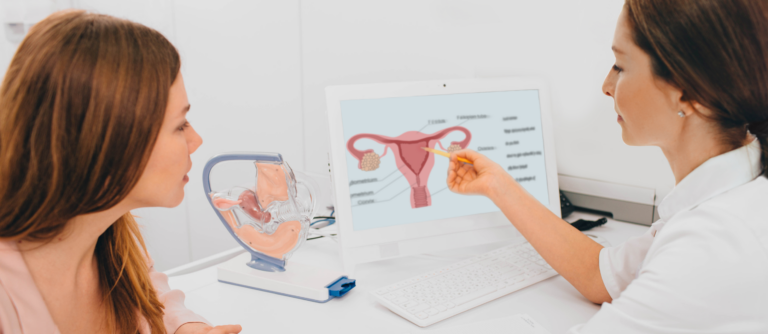
In a newly-published article by the Lancet (2025), the women’s health condition previously known as PCOS (Polycystic Ovary Syndrome) has been formally reclassified as ‘PMOS,’ or Polyendocrine Metabolic Ovarian Syndrome.1 This name change was the result of a multistep global consensus, established with engagement of 56 leading academic, clinical, and patient organizations, and more accurately reflects the disease’s multisystem pathophysiology.1
Why is the change from PCOS to PMOS so important?
It was never just about the cysts. The problem with the previous name, Polycystic Ovary Syndrome, is that it placed the pathological burden on ovarian cysts- which not every woman with ‘PCOS’ even experiences- and completely overlooked the diverse endocrine and metabolic features of the condition. This narrow focus was an incredible disservice to millions of women suffering from the disease because it frequently led to delayed diagnosis, fragmented care and significant stigma around associated symptoms like obesity and hyperandrogenism. Approximately 10% to 13% of reproductive age women around the world are impacted by PMOS, but an estimated 70% don’t know they have it- often because their symptoms seem unrelated to a reproductive disorder.2
The physiological complexity of PMOS results in not just menstrual irregularities and fertility challenges, but also insulin resistance, Type II Diabetes, obesity, cardiovascular disease, sleep apnea, depression, body dysmorphia and female-pattern baldness. Recognizing that this condition is not isolated to the ovaries and opening the range of diagnostic criteria is a huge step forward in improving diagnostic criteria and women’s health care.
PCOS: A brief history
Prior to this reclassification and expansion of diagnostic criteria, PCOS was viewed in the medical community as primarily a gynecological or ovarian disorder, assumed to be relatively localized to menstrual and reproductive challenges. The term ‘polycystic ovary’ implies the presence of problematic or pathological cysts in the ovary, which are not truly a feature of the condition. Instead of dangerous or harmful cysts, the condition actually causes an accumulation of multiple small, harmless "follicles" (tiny, fluid-filled sacs that hold immature eggs). The predominant diagnostic for the condition has been the Rotterdam criteria, which diagnosis the disorder based on a) hyperandrogenism, b) oligo or anovulation, and c) the presence of polycystic ovaries. 3 This diagnostic criteria, however, overlooked women whose predominant symptoms manifested as metabolic irregularities, nervous system dysfunction or other hormone imbalances alongside menstrual irregularities or while maintaining relatively normal menstrual function.
From PCOS to PMOS: What the new name means
The new name more broadly captures the system-wide condition involving hormones, metabolism and ovarian function, and provides a clear picture of what is truly happening in the body:
Polyendocrine
The condition involves reproductive hormones like estrogen, progesterone and androgens (testosterone), but is not isolated to those hormones. It also involves metabolic hormones like insulin and neuroendocrine hormones like cortisol, highlighting the strong connection between PMOS and mood disorders like anxiety and depression.
Metabolic
Insulin resistance is a foundational feature of this condition, and influences not just a predisposition to overweight and obesity, but a higher risk for dyslipidemia and cardiovascular disease- emphasizing the cardiometabolic burden of the disease.4
Ovarian
Disrupted ovarian function does remain a core tenet of PMOS, however the emphasis on the presence of ovarian cysts is no longer the feature of focus. Ovarian involvement is more heavily weighted on anovulation, irregular cycles, elevated LH:FSH ratio and fertility challenges. The key takeaway, however, is that ovarian dysfunction is recognized as part of the story, not the entire of the story.
Labwork for PMOS
For women showing up with challenges around weight management, mood and/or sleep disturbance, stress sensitivity, energy management concerns, acne and menstrual irregularities, these features widen the diagnostic lens away from the presence (or lack thereof) of ovarian cysts on an ultrasound. Comprehensive lab work to assess fasting insulin and glucose, hemoglobin A1C (HbA1C), androgen levels, estrogen, progesterone, luteinizing hormone, follicle stimulating hormone and a lipid panel can all be included to pinpoint the root cause to the disruption of metabolic, endocrine and Hypothalamic-Pituitary-Ovarian (HPO) Axis function that occurs with the PMOS story.
Holistic and Integrative PMOS management and interventions
Reframing the condition to a whole-body perspective elevates the scope of focus out of just the reproductive tract and into systemic management, prioritizing interventions that support endocrine regulation, metabolic homeostasis and nervous system stability.
Diet to Support PMOS
From a dietary perspective, the Mediterranean diet (MD), particularly one that is low glycemic, has been shown to be incredibly beneficial for women with PMOS through supporting insulin sensitivity, reducing the inflammatory load, and providing healthy fats for hormone function/balance.5 Periodic adherence to a ketogenic diet (KD) is also an excellent strategy for improving insulin response, reducing body weight and even reducing androgen dominance6– however long-term adherence to a KD diet may not be ideal from a mental health and sustainability perspective, so alternating a few months at a time on a KD diet with longer-term adherence to an MD diet provides a sustainable framework for a nutrition foundation grounded in multisystem balance.
Supplements: Herbs and Nutrients to Support PMOS
Certain targeted nutrients and botanicals can also fit within this multisystem framework to support the complex hormonal and metabolic picture of PMOS:
Myo-inositol is a type of sugar molecule involved in insulin signaling, the metabolizing of carbohydrates and fats, and the production of certain hormones. In women with PMOS, myo-inositol administered for at least 24 weeks was shown to improve their metabolic profile and reduce hyperandrogenism.7
If consuming enough omega-3 fatty acids through the diet is challenging, supplementing with a high-quality omega 3 oil can be an excellent way to support hormone health and manage the inflammation associated with PMOS. Supplementing with omega-3 fatty acids has been shown to reduce androgen levels,8 improve insulin resistance9 and reduce cardiometabolic risk,10 all features associated with PMOS.
Berberine, an alkaloid found in many bitter plants including Oregon grape root and phellodendron, has been shown in numerous studies to improve insulin receptor expression and glucose uptake 11. Studies have also shown that berberine is able to mitigate many of the key features of PMOS, including reducing testosterone and FAI, increasing SHBG, and mitigating the clinical symptoms of androgen excess, including hirsutism and acne.12
White peony root (Paeonia lactiflora) has been used in Traditional Chinese Medicine (TCM) for thousands of years as a treatment for gynecological disorders. While the exact mechanism of action is unknown, the constituent paeoniflorin has been shown in pre-clinical studies to regulate hormone production, improve ovarian fibrosis, reduce inflammatory parameters, and modulate aromatase activity to improve follicle development. 13,14
The combination with licorice root, a formula known as Shakuyaku-Kanzo-To in traditional Japanese medicine, has been used to regulate hormone production, particularly androgens 15. In addition to its estrogen-modifying and anti-inflammatory effects, licorice is also considered an adaptogen, making it a powerful ally in supporting the stress-response pathway within the PMOS paradigm.16
Gymnema, known in Ayurvedic medicine as ‘the sugar destroyer,’ is a powerful herb for supporting insulin sensitivity and even modifying sugar cravings. Gymnemic acids, one of the key classes of phytochemicals in the leaf, improve the ability of the pancreas to secrete insulin and lower both fasting and post-prandial (after meal) glucose levels.17 Those amazing gymnemic acids even bind to sweet taste receptors on the tongue, reducing the ability to taste sweetness and curbing sugar cravings.18 This is an especially important effect for helping with the sweet cravings that often accompany metabolic dysregulation in conditions like Type 2 Diabetes and PMOS.
Saw palmetto is another herb that has a long history of use in supporting both male and female reproductive health. The berries have been shown to inhibit the 5-alpha-reductase enzyme, which is responsible for converting testosterone into its more potent form, dihydrotestosterone (DHT).21 This results in an anti-androgenic effect that herbalists rely on for addressing many of the key features of PMOS, including androgenic alopecia (thinning hair), hirsutism and hormonal acne. Animal studies using a PMOS model have shown that Saw Palmetto reduced prolactin elevation and normalized follicle-development,22 actions that support ovulation regularity.
Magnesium plays a critical role in glucose metabolism; low magnesium intake/status can worsen insulin resistance, which individuals with PMOS are already at a higher risk of experiencing. Clinical research shows that supplementing with magnesium is able to improve insulin sensitivity, lipid profiles and glucose handling in individuals with PMOS,23 and may also have the benefit of alleviating pain and inflammation associated with PMOS-related menstrual challenges.
Cruciferous vegetables like kale, Brussels sprouts, broccoli and Spanish black radish contain compounds called glucosinolates, which modulates estrogen pathways by promoting the metabolism of active estrogen (estradiol) into the safer 2-hydroxyestrone (2OHE1) metabolite rather than the more harmful 16α-hydroxyestrone (16OHE1) 24. This process helps to reduce estrogen-fueled inflammation, alleviate pelvic pain, and improve irregular bleeding 25. Glucosinolates also increases liver detoxification, which helps clear the excess estrogen associated with estrogen dominance.
Irregular ovulation and high androgen levels contribute significantly to a state of estrogen dominance in individuals with PMOS. Ovulation is required to trigger the production of progesterone, so when ovulation is sporadic, progesterone plummets and creates a state of relative estrogen dominance. Excess androgens, particularly testosterone, are converted into excess estrogen in fat and other tissues, worsening the imbalance. While working on the underlying endocrine imbalances of low progesterone and high androgens, supporting estrogen detoxification with cruciferous vegetables can help favorably shift hormone balance away from a state of excess estrogen.
The Importance of Exercise in Managing PMOS
Increased movement through both cardiovascular exercise and resistance training is one of the most powerful tools for addressing the multiple features of PCOS. Exercise supports weight management, insulin sensitivity, mood and endocrine balance. Individuals with PCOS should strive for a minimum of 150 minutes of moderate intensity exercise or 75 minutes of higher intensity exercise per week, with two weight training sessions to build muscle and increase metabolic rate. 26
Clinical Takeaway
The most important takeaway here is that while a name change doesn’t change testing and treatment practices overnight, it does validate what women experiencing the condition have long known: this disease is not isolated to the ovaries. Polyendocrine Metabolic Ovarian Syndrome recognizes that this condition is a complex disorder requiring nutritional and lifestyle management across multiple systems, and offers a new opportunity for interventions to drastically improve the quality of life in women living with the disease.
Did you know WholisticMatters is powered by Standard Process? Learn more about Standard Process’ whole food-based nutrition philosophy.
Learn More About Standard Process
Read Article
Why Holistic Care for the Mother Matters

Daina Parent, ND
(68 min listen)
Episode 18 - airs May 7, 2026
A Functional Medicine Approach to Remembering the Mother in Maternity Care
HOST: Dr. Daina Parent, ND
GUEST: Sarah Thompson, Dpl.OM, L.Ac., CFMP, and Birth Doula
Sarah Thompson brings a wealth of knowledge and a unique perspective on preparing for motherhood and maternal care. Host Dr. Daina Parent, ND and Sarah Thompson, Dpl.OM, L.Ac., CFMP, and Birth Doula, engage in an important conversation around the need for improved care for the mother in preconception, fertility and pregnancy. They discuss how whole food nutrition, lifestyle, functional lab testing and interpretation, and collaborative care can significantly improve pregnancy outcomes for mom and baby. Throughout the episode Sarah offers clinical pearls on how to improve diets of pregnant patients and influencing positive lifestyle changes.
Sarah Thompson is the author of Functional Maternity - Using Functional Medicine and Nutrition to Improve Pregnancy and Childbirth Outcomes and Beyond Results – A Practitioner's Guidebook to Functional Lab Analysis in Pregnancy. She is a certified functional medicine practitioner, licensed acupuncturist, board-certified herbalist, birth doula, and educator with a passion for pregnancy care.
She is a leader in the practice and education of maternity functional medicine. Sarah combines evidence-based research in prenatal and maternity nutrition with functional medicine and nutrition principles. Sarah’s clinical experience spans nearly 20 years.
Highlights of the episode include:
Foods for preconception – antioxidants from colorful whole food fruits and vegetables, omega-3s, and more
The Whole Food Matrix – benefits of consuming vitamins, minerals, and phytonutrients in a whole food form
Functional approach to interpreting labs during pregnancy
Podcast Summary
2:15 Discovering the passion for functional maternity care
5:32 Inspiring birth stories and navigating fear around childbirth
6:52 Opportunities for growth and improvement in conventional model of pregnancy care
8:06 “Prenatal care is the care of the baby. Maternity care is the care of the mother. We have lost the care of mothers through the care of pregnancy.”
9:00 How nutrition and lifestyle affects mother and baby
13:07 Preconception preparation – preparing the body for pregnancy
18:34 Foods for preconception – antioxidants from colorful whole food fruits and vegetables (polyphenols, flavonoids, anthocyanins, and others), omega-3s, and more
22:54 Oxidative Stress Defined
25:22 The Whole Food Matrix – benefits of consuming vitamins, minerals, and phytonutrients in a whole food form
28:09 Managing cravings for unhealthy foods during pregnancy and balancing with nutrient dense foods
30:04 “How do I make what you’re doing work better for you?” - individualized nutritional support
33:04 Simple ways to add polyphenols to meals
36:19 Elevating everyday recipes to increase nutrient density and phytonutrient content
39:42 An individualized approach to herbs in pregnancy
42:52 Functional Medicine approach to common issues in pregnancy
49:43 The interconnectedness of systems and functions of the body in pregnancy
50:59 Modifiable lifestyle factors to improve pregnancy complications
53:47 Functional approach to interpreting labs during pregnancy
1:04:00 Collaboration in Care – it takes a village of practitioners working together to deliver holistic pregnancy care
1:06:00 Advice to practitioners and patients: importance of individualized maternal care and focusing on aspects of pregnancy and birth we can control
This podcast is sponsored by Standard Process
About Standard Process - Only at SP
Listen to Podcast
The Effects of Stress on a Woman’s Body: Female Hormones and Endocrine Health

Daina Parent, ND
(67 min listen)
Episode 14 - airs November 20, 2025
Why is it that women experience stress more intensely than men? Drs. Daina Parent and Annette Schippel discuss the connection between women’s hormones and the effects of stress on the female body. Dr. Schippel shares her personal and professional experience navigating the stages of a woman’s reproductive journey and how endocrine health plays a significant role in hormone balance. Drs. Parent and Schipple emphasize the importance of working with qualified healthcare providers trained in herbal medicine in order to find the right herbs for each person and symptom picture. Dr. Schippel offers invaluable clinical tools and takeaways to create a strong foundation for any woman to navigate stress management and optimal wellness with nutrition, herbs, lifestyle and more.
Dr. Annette Schippel is a chiropractor and a graduate of Logan College of Chiropractic, she brings over 25 years of experience to her work. She owns two thriving family practices that focus on pediatrics, women’s health, and clinical nutrition, and she regularly sees patients from across the United States and around the world.
Known for her expertise in functional medicine and endocrinology, Dr. Schippel has become a respected educator, author, and speaker. She has written and co-authored numerous clinician manuals and lectures domestically and internationally on topics in nutrition and functional endocrinology. She has had the privilege of visiting Medi-Herb in Australia for 3 years to receive advanced training in phytotherapy. She also had the honor to speak on alternative approaches to Metabolic Syndrome at the 2014 International Health Management Forum in Bejing China.
Use the audio player above to listen now! And don't forget to follow and like our podcast channel to stay up-to-date on upcoming episodes.
Highlights of the episode include:
Female hormones and stress sensitivity
Adrenal burnout and perimenopause: the resiliency of the stress response affects hormone balance
How herbs modulate and synergize with hormones
Podcast Summary
2:24 Female hormones and stress sensitivity
4:00 The HPA Axis and the stress response
5:35 The thyroid adrenal connection
7:57 Cortisol, DHEA and the adrenal cortex
9:15 Prolactin, dopamine and high prevalence of autoimmunity in women
11:30 Key differences in male and female hormones: estradiol, testosterone, and DHEA
15:27 Peri- and menopausal hormone shifts
16:33 Adrenal burnout and perimenopause: the resiliency of the stress response affects hormone balance
21:13 Clinical strategies for adrenal support to mitigate perimenopausal symptoms – diet, exercise, sleep, digestion, and mental health
25:42 Herbs for adrenal support and endocrine balance – rehmania, ashwagandha, chaste tree, schizandra and more
29:33 How herbs modulate and synergize with hormones
30:02 Social media trends – perspectives on ashwagandha
33:06 Why guidance from a healthcare provider with herbal knowledge matters – finding the right herbs for each person
35:35 Choosing the right herb – how patient health history and symptom picture inform herbal selection
44:39 Using blood chemistry to inform patient protocols
45:55 Personalizing herbal protocols for different stages of the lifespan
48:38 Nutrients and herbs for libido and vaginal dryness and how adrenal resilience plays a role in these symptoms
50:32 Circulation, sexual health, and blood-flow support
52:53 Improving vasodilation through nitric oxide; whole foods and herbs that support circulation (beets, mountain spinach, red algae, and more)
54:45 Herbs as modulators – herbs won’t increase or decrease hormones too much
55:16 The truth about wild yam creams
58:54 The practitioner-patient journey - navigating better health together
1:01:51 Key clinical takeaway for supporting women’s health and stress management – how to build a good foundation and never lose sight of what you’re trying to build
This podcast is sponsored by Standard Process
About Standard Process - Only at SP
https://youtu.be/06W6QnbDbSU?si=HhkXX9NerHPbhcDu
Listen to Podcast
Women's Hormones through the Lifespan
Daina Parent, ND
(48 min listen)
In this episode Dr. Daina Parent, Clinical Educator at Standard Process, interviews Dr. Jaqueline Smeaton, Naturopathic Physician and founder of Hello Fertility.
Listen to Podcast
Fenugreek for Glucose Management and Breastfeeding
Kara Credle, MA
(3 min read)
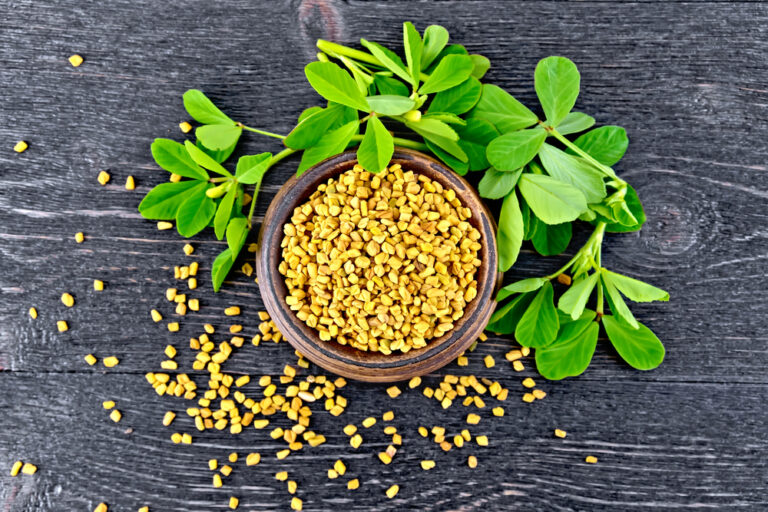
Fenugreek (Trigonella foenum-graecum) is a member of the Fabaceae (pea) family, a medicinal herb with a wide range of clinical, culinary, and cosmetic applications. Also known as Greek clover, alhova, mehi, medhika, and hu la ba, the leaves of the annual, yellow-flowered fenugreek plant are reminiscent of clovers; Trigonella is derived from the ancient Greek word for “three-angled.” Its seeds taste bitter and are known for use in cooking and medicine, particularly traditional Ayurvedic medicine, traditional Arabian, Greek, and Indian medicine, and traditional Chinese medicine. Fenugreek extracts are also common ingredients in soaps and cosmetics.1
Read Article
Masterclass: Male and Female Fertility – Botanicals for Better Endocrine Health

WholisticMatters
(01:15:39 min watch)
Join Angela Hywood, BSc, ND, in this Masterclass about fertility, infertility, and vitality. Angela will review common contributing factors to infertility, which impact approximately 1 in 8 couples in the U.S. She will also describe botanical strategies to support your patients. Don’t miss out on this great addition to our Masterclass series.
Watch video
Iron Needs for Female Athletes
WholisticMatters
(3 min read)
Females require a significantly higher intake of iron than males, mostly to make up for the amount that is lost during menstruation. Female athletes are particularly at risk for iron deficiency, particularly those who are energy restricting or following specialty diets.
Read Article
Betsy Miller, MS, CNS, RH(AHG), DCN-c
(15 min read)
Perimenopause: An Underrecognized Neuroendocrine and Metabolic Transition

Daina Parent, ND
(43 min listen)
When Postpartum meets Perimenopause: Whole Body Support during Women’s Life Transitions

Daina Parent, ND
(20 min listen)
PCOS is now PMOS: A holistic approach to managing symptoms
Betsy Miller, MS, CNS, RH(AHG), DCN-c
(10 min read)
PCOS Renamed PMOS: The Long-Overdue Reframe in Women’s Reproductive Health
Daina Parent, ND
(68 min listen)
Why Holistic Care for the Mother Matters
Daina Parent, ND
(67 min listen)
The Effects of Stress on a Woman’s Body: Female Hormones and Endocrine Health
Daina Parent, ND
(48 min listen)
Women's Hormones through the Lifespan
Kara Credle, MA
(3 min read)
Fenugreek for Glucose Management and Breastfeeding
WholisticMatters
(01:15:39 min watch)
Masterclass: Male and Female Fertility – Botanicals for Better Endocrine Health
WholisticMatters
(3 min read)
Iron Needs for Female Athletes
Betsy Miller, MS, CNS, RH(AHG), DCN-c
(15 min read)
Perimenopause: An Underrecognized Neuroendocrine and Metabolic Transition
Daina Parent, ND
(43 min listen)
When Postpartum meets Perimenopause: Whole Body Support during Women’s Life Transitions
Daina Parent, ND
(20 min listen)
PCOS is now PMOS: A holistic approach to managing symptoms
Betsy Miller, MS, CNS, RH(AHG), DCN-c
(10 min read)
PCOS Renamed PMOS: The Long-Overdue Reframe in Women’s Reproductive Health
Daina Parent, ND
(68 min listen)
Why Holistic Care for the Mother Matters
Daina Parent, ND
(67 min listen)
The Effects of Stress on a Woman’s Body: Female Hormones and Endocrine Health