Cyclosporiasis: Herbal and Nutritional Recovery Support for Intestinal Parasites
Betsy Miller, MS, CNS, RH(AHG), DCN-c and Aneeta Uppal, MS, PhD, IHP(5 min read)
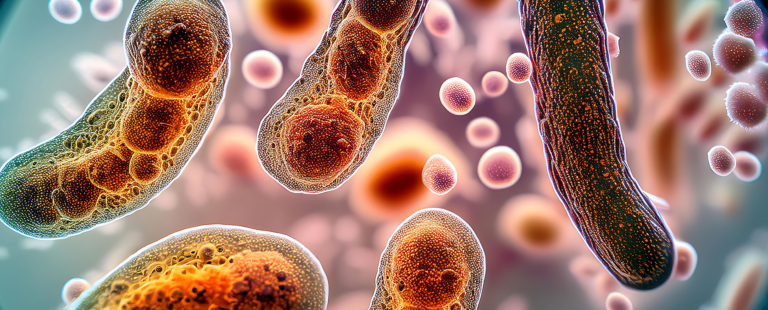
The U.S. is currently facing a large-scale cyclosporiasis outbreak, affecting thousands of people across 31 states. Cyclosporiasis is an intestinal infection caused by the microscopic parasite Cyclospora cayetanensis. This protozoan parasite is contracted by consuming food or water contaminated with infected feces, rather than through direct human-to-human transmission.1
While the current source of the outbreak has yet to be identified, health officials are recommending to avoid eating foods that have previously been linked to the illness, including:
Lettuce
Raspberries
Green onions
Basil
Cilantro
Snow peas
Bagged/pre-prepared salad
While washing fresh produce is always best practice, unfortunately it is less effective at eliminating Cyclospora from fruits and vegetables.
Identifying Symptoms
Once exposed, symptoms typically show up within 2-14 days, and can last from a few days to over a month in severe cases. Symptoms typically include:
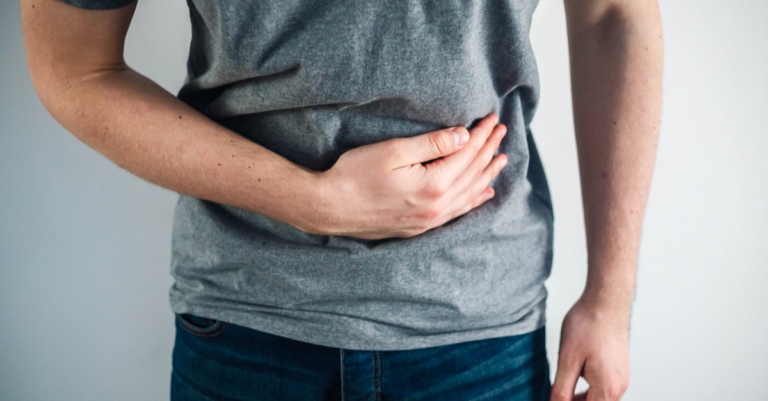
Watery and sometimes explosive diarrhea
Loss of appetite and subsequent weight loss
Stomach cramps and pain
Bloating and increased gas
Nausea
Fatigue
At-risk Populations
Fortunately, while incredibly uncomfortable, the disease is self-limiting in most healthy individuals. However, for at-risk populations such as the very young, the elderly or immunocompromised, may experience more severe symptoms, a longer duration of infection, or even experience colonization of extra-intestinal organs.1 These individuals typically need advanced medical care, such as IV rehydration and antibiotic therapy.
What to Eat While Recovering
Focusing on gentle, easy to digest foods such as the BRAT diet (bananas, rice, applesauce and toast) helps to firm up the stool and settle the stomach, however this diet lacks the essential nutrients of a more diverse diet and should only be followed for the first 24-48 hours of symptoms before gradually reintroducing a more balanced diet. Vegetable broths or bone broths can also be very gentle on the digestive system, and importantly, supply the body with essential electrolytes and nutrients that are being lost or not consumed during illness.
Testing and Herbal Therapeutics
It can take some time to receive results back from parasitic stool tests. Once the species is identified, there are different herbs that can address different types of parasitic infections. Focusing on a parasite such as Cyclosporiasis warrants the use of herbals for protozoan-specific species.
Myrrh is a traditional herbal therapy utilized for its anti-parasitic properties. Traditional therapies have utilized Myrrh over synthetic chemicals due to increased drug resistance challenges. Research demonstrates its efficacy against protozoan-based parasites.2
Berberine a compound contained in many plants, including Phellodendron bark. Berberine contains anti-microbials and other phytoactive compounds like phenolics and flavonoids. Phellodendron has long been used for intestinal parasites and dysentery. Clinical studies demonstrate that berberine supplementation can alter gut microbiota by promoting the growth of beneficial species like Bacteroides and Bifidobacterium while suppressing inflammatory species.
It is important that these herbs are used under the guidance of a qualified health care practitioner with experience in herbals. They can determine the duration of use of these herbs as well as the appropriate dosing.
Adsorbents for removing protozoa: clinoptilolite
Because protozoan parasites primarily exist in two forms- the active disease-causing trophozoite and the dormant oocyst- it may take several cycles of herb use to fully eradicate the infection. Adding in an adsorbent mineral like clinoptilolite can help to bind and remove the parasites as they are targeted by the antiparasitic herbs, supporting a more effective clearance of the infection.
Clinoptilolite is a zeolite mineral that is used in detoxification practices to help bind and remove toxins from the gastrointestinal tract, as well as to strengthen the intestinal wall and mitigate inflammation.3 Clinoptilolite may also help with some of the symptoms associated with Cyclosporiasis- most notably diarrhea. Clinical trials of the compound in cases of IBS-d have shown that it significantly improves stool consistency, relieves abdominal pain, and decreases the number of days with diarrhea.4
When to Seek Medical Help
While these strategies may be beneficial for mild cases of protozoan infections, or cases in otherwise healthy individuals, knowing when to seek medical care in all cases is incredibly important. Signs of illness that warrant medical intervention include:
Severe diarrhea lasting more than a few days
Bloody stools
Signs of dehydration: dizziness, dry mouth, dark urine
Did you know WholisticMatters is powered by Standard Process? Learn more about Standard Process’ whole food-based nutrition philosophy.
Locate Professional Health Solutions Nearby
Looking for high-quality, practitioner-recommended health solutions? Locate authorized Standard Process practitioners in your area and gain access to premium health services to support your wellness journey.
Find A Participating Practitioner
Garlic for Digestive Health: Harnessing Nature’s Remedy for Gut Wellness
Chelsea Alves(5 min read)
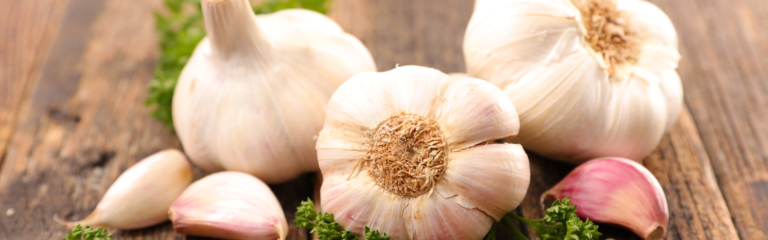
In the world of wholistic health, garlic has an impressive reputation for being known not only as a culinary ingredient but also for the myriad health benefits it offers. Known scientifically as Allium sativum, garlic is a bulbous plant that belongs to the onion family and is native to Central Asia. It has been a staple in traditional medicine for centuries, such as using garlic for digestive health, and is known to help improve overall well-being.
The Role of Yeast in Digestive Function and Gut Health: Exploring the Gut Mycobiome
Keri Barron, PhD(3 min read)
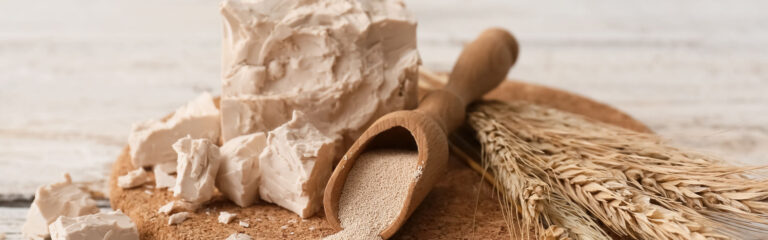
The gut microbiome includes more than just bacteria. Yeast are a critical component of the gut microbiome, contributing to a healthy intestinal environment and aiding in digestion.
What is happening when we feel less than 100% after eating certain foods? WholisticMatters shows how your body responds to a food intolerance vs. a food allergy. WholisticMatters also gives some steps and recommendations to help the next time you might encounter an intolerance or allergy. Be sure to talk to a healthcare professional before making any changes to your diet about intolerances and allergies.
The gut microbiome is a vibrant community of bacteria, viruses, fungi, and other microorganisms that call the human body home. They “pay rent” by producing short-chain fatty acids (SCFA) as fuel for gut cells, competing with pathogenic bacteria for resources, and enhancing the availability of unique nutrients from plants, called phytochemicals. In return, humans provide a comfortable habitat for these microorganisms to live, complete with nutrients through the food individuals eat every day and other resources.
Robert Martindale, MD, PhD, explains the importance of probiotics and prebiotics in altering the composition of the gut microbiome. Fiber, especially soluble fiber, for example, is a prebiotic with a positive influence on the gut microbiome. Prebiotics like fiber can support healthy bacteria in the gut microbiome, addressing all-cause mortality.
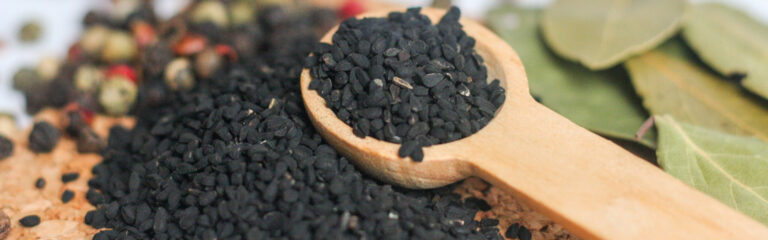
The fast-paced Western lifestyle offers many exciting opportunities; however, the human body was not necessarily designed to keep up with the demands that this lifestyle places on its physiology. Increased stress and productivity demands create a shift in the amount of excreted cortisol, a stress hormone, which has cascading effects within the body. In particular, cortisol levels can have a significant effect on the digestive system. Nutritional modifications, lifestyle changes, and incorporating herbal approaches to digestive health, like Berberine and Black Cumin seeds, have been shown to help balance the effect stress has on the digestive system.