Advance your wellness journey with Wholistic Matters, your go-to source for science-backed insights on whole food nutrition and integrative health solutions.
Nourish With Nature
Explore the world of natural and integrative health with Wholistic Matters. Our clinically driven insights and educational content provide the knowledge needed for holistic well-being. Your empowered wellness journey starts here.
With kids going back to school, the need for proactive illness prevention starts now. Currently, there are more than 200 cold-causing viruses in circulation, causing more sick days, or absences from school and work than any other illness.1 However, as a preventative measure, strengthening the immune system can help to build resilience. Implementing immune-supporting lifestyle and nutrition practices not only helps with the prevention of seasonal illness but also helps to facilitate a quicker recovery. These preventative measures are especially beneficial for high-risk individuals such as young children, those immune-compromised, and the elderly.
How the immune system works
The innate immune system is what humans are born with; it’s the first line of defense and is naturally occurring. It is comprised of the physical barriers of the body, such as the skin and other mucous membranes, like the lungs and the digestive tract. It also includes bodily secretions and tissue-specific responses that further act to protect the body from foreign invaders. 2
When the immune system is neglected, under-prepared, over-loaded, or stressed, opportunistic invaders have the chance to infiltrate the system and take hold. This leads to infection, manifesting as common conditions like cold or flu, stomach bug, or pink eye.
Lifestyle Strategies to Support the Immune System and Mitigate Exposure to Viral Infections
Hand Washing
First and foremost, to prepare for the on-coming cold and flu season, remember to wash your hands regularly with soap and water. Adults interact with their face – mouth, nose, and eyes- over 500 times per day.Children’s interaction with their face and orifices is significantly higher,even 2-3 times that of adults, making children that much more susceptible to infection involving the mucous membranes. Again, keeping hands free from germs by regularly washing with soap and water is essential.
Physical Exercise for Immune and Lymphatic Health
As cold and flu season arrives, it is also important to stay physically active. Physical exercise activates specialized immune functions on both a cellular and systemic level. In fact, the muscular contractions that occur during exercise also promote lymphatic drainage.This is key as lymph is a collection of cell debris, metabolites, and other inflammatory toxins that typically coincide with infection.
Additionally, regular exercise provides further immune boosting benefits such as alleviating inflammation, mitigating stress responses, improving the health of other immune-specific organs like the thymus gland, and increasing the number of overall immune cells.3
Benefits of Fresh Air and Time Outdoors
Even as the weather gets colder, spending time outside continues to boost immune resilience. When staying inside, the circulating air gets trapped and becomes stagnant, causing the potentially infected air to continue to circulate and increasing the risk of airborne-specific infection. Spending time outside provides non-contaminated, fresh air and has been shown to reduce stress, where stress otherwise suppresses and inhibits normal immune function.4 Additional information on how stress can impact the immune system can be found here: Managing Stress and Immune Health – WholisticMatters
Preventative Nutritional Support
Given the growing amount of convenience foods, picky eaters, and food sensitivities, it is important to acknowledge that a significant nutrient gap now exists, especially in our youth and elderly populations. While it is advised to get proper nutrition from fresh, whole-food sources, this may not always be possible. In these instances, supplementation may be necessary to help fill those nutrient gaps, particularly if these deficiencies lead to a compromised immune response.
Zinc
The innate immune system, that first layer of protection, relies heavily on zinc. The 2nd most abundant trace mineral after iron, Zinc is essential for mucus membrane, skin, lung, and gut epithelial integrity. Systemic-wide wound healing and recovery is also an integral component of the cell membrane, tissue stabilization, and protein synthesis. Supplementing with zinc has been shown to reverse membrane damage, as well as preserve and restore function of the mucus membrane secretions.2 Zinc is also a potent antimicrobial/antiviral that has been shown to disrupt replication and reduce the risk, and duration, of pneumonia, the common cold, and other respiratory tract infections, whereas deficiency in zinc has been correlated to higher incidence of such conditions.5
Vitamin D
Vitamin D is also essential for building immune resilience. Vitamin D promotes infection-induced macrophage activity at the cellular level to support both membrane and tissue integrity. Vitamin D supplementation, specifically during the winter months, has been found to reduce the risk of influenza A and prevent upper respiratory tract infections, specifically in children and young adults. Therefore, it is no surprise that a deficiency here would also be attributed to increased incidence of upper respiratory infection. 6
Omega-3s
Omega-3 fatty acids, such as those found fatty fish such as tuna, salmon, and cod, have also been shown to protect against and help mitigate pathogenic infections involving the lungs and gut.
As a main component of the cell membrane and driver of cellular/epithelial integrity, omega-3’s help maintain the physical barriers and mucus membranes but are also in part responsible for the differentiation and maturation of the immune cells. Omega-3’s have also been shown to act as chemical messengers by triggering a desired immune response. 7
Elderberry
Elderberry has also been used for centuries to address the signs and symptoms of cold and flu such as cough, sore throat, fever, and excess mucus production. The phenolic compounds and phytonutrients in elderberry have been shown to have protective effects against viral infection in both direct and indirect ways. While the specific mechanisms of action are not yet understood, it is theorized that its specific polyphenols inhibit viral replication and widespread proliferation while also promoting, modulating, and activating host immunity.
Elderberry has a long-standing use in children and has been shown to reduce the signs, symptoms, and reoccurrence of upper respiratory infections, ear infections, tonsilitis, and the flu. It has also been shown to have synergistic effects when combined with other immune-boosting nutrients, such as vitamin C, vitamin D, and zinc. 8
Colostrum
Colostrum also supports and strengthens the innate immune system by promoting gut epithelial and mucosal membrane integrity. Colostrum prevents bacterial adhesion and thus further suppresses bacterial proliferation in the gut. It also supports the microbial balance by promoting beneficial bacteria, inhibiting opportunistic bacteria/pathogens, and mitigating the risk of microbial translocation. Furthermore, colostrum also stimulates intestinal cell proliferation and facilitates gut healing and tighter intestinal juctions.9
Medicinal Mushrooms
Medicinal mushrooms, such as shiitake and reishi, also have immune promoting benefits. These mushrooms are doubly beneficial as they support both innate and adaptive immunity. Shiitake has been most widely studied amongst the mushrooms and has been shown to act as a potent antimicrobial, thus providing that first layer of protection against pathogenic invaders. Reishi mushrooms, on the other hand, have traditionally been used to address and treat conditions such as bronchitis and pneumonia and are also highly antimicrobial and antiviral. Additionally, the reishi mushroom is an excellent source of selenium which is also essential for immune modulation and defense against pathogenic invaders. Furthermore, reishi mushrooms promote liver detox and clearance, meaning they are also beneficial in promoting recovery following infection.10
Maintaining Gut Health for Immunity
Protecting and promoting gut integrity and microbiome health is essential for maintaining a healthy immune system. While the gut is most abundant with microbes, they are present on every exposed surface of the body such as that of the skin, the lungs, and the mouth. Naturally, when one microbiome is in dysbiosis, another microbiome may also be immune compromised.2 Dysbiosis has been attributed to a weakening of the intestinal junctions, or leaky gut, meaning the intestinal barrier, as well as the skin and the lungs, are more susceptible to pathogenic invaders.
Supplementing with probiotics, such as the specific combination of L. acidophilus DDS-1, B. lactis UABLA-12 has been shown to help prevent acute respiratory infection in school-aged children, as well as promote recovery following infection. Additional studies have shown these same synbiotics, plus inulin, markedly improved skin tone, quality of life, sleep parameters, and other eczema-related symptoms in young children, further demonstrating the gut’s influence on skin/barrier integrity and overall immune resilience.11
Fiber
Fiber provides another layer of gut health, further boosting immune resilience. Essential for microbial balance, fiber such as that found in oat fiber, green banana, and apple pectin, are fermentable foods for the microbiome that are broken down and function as a signaling mechanism to influence gut integrity and regulate immune response. These dietary fibers truly shape the microbial environment and directly influence how the microbiome and the immune system develops, matures, and functions.11
Nutrients for the Developing Innate Immune System
As the adaptive immune system takes a few years to mature, young children naturally go through a series of exposures, called tolerance priming events, to build their immune tolerance and more targeted defenses. Specific micronutrients, in particular vitamins A, C, the various B-vitamins such as B6, and again vitamin D play a distinguished role in tolerance building and protein synthesis which are crucial for healing and recovery, immune signaling, immune cell differentiation, and immune function. Deficiencies in these vital nutrients means a compromised, more susceptible immune system.2
Additional support for the adaptive immune system would again be zinc and colostrum. As the system develops and adapts, zinc is needed for the maturation and differentiation of specialized immune cells.2 Colostrum, however, provides immunoglobulins as passive immunity to infants/toddlers while their own systems are still under development. This form of passive immunity would help defend against and ward off infectious pathogens such as bacteria, virus, parasites, and fungi, further strengthening the immune system.9 Additional information on how colostrum can support the immune system can be found here: Colostrum Benefits: Immune & Gut Health Support.
Key Takeaways
With kids going back to school, preventative health is essential. Remember to wash your hands regularly with soap and water, make sure to stay active, and keep spending time outside even as the weather turns cold. This will keep your immune system primed and strong throughout the season.
The key nutrients for immune support and resilience include:
Zinc
vitamin D
omega-3’s as found in tuna
elderberry
colostrum
mushrooms such reishi and shitake
fiber
probiotics, such as the specific combination of L. acidophilus DDS-1, B. lactis UABLA-12
These vital nutrients are especially beneficial for that younger population. These again support the body’s physical barriers, such as the mucus membranes of the respiratory tract, gut, and sensory organs – that first line of defense protecting again pathogenic invasion. Keeping that first line of defense toned and resilient means more preparedness and protection against the winter months to come.
Did you know WholisticMatters is powered by Standard Process? Learn more about Standard Process’ whole food-based nutrition philosophy.
Attention Deficit/Hyperactivity Disorder (ADHD) is a common neurodevelopmental condition in children and adults characterized by inattention, hyperactivity, and impulsivity. The exact reason why some children develop ADHD is not fully understood. Experts believe that genetics, neurological differences, and environmental exposures can all play a role in the development of ADHD. Many children with ADHD also experience emotional dysregulation, causing them to endure big highs and lows and feel sensitive to criticism. They also tend to have quick tempers and can be challenging to calm down.
Children spend all summer running outside, rooted in outdoor activities like pool days, beach trips, and playgrounds. Suddenly it can feel like their world gets turned upside down when they find themselves back at school, sitting inside a classroom. So it is not surprising that children can have trouble focusing once they are back in school. Fortunately, there are several dietary and lifestyle practices that can make the transition back to the classroom a bit easier for the entire family.
Nutrition and Supplementation
The Standard American Diet (SAD) focuses on processed foods, added sugars, and refined grains. This causes most children to be left with a nutritional gap in essential vitamins and minerals.
Omega-3 Fatty Acids
Omega-3 fatty acids provide the brain with adequate eicosapentaenoic acid (EPA) and docosahexaenoic acid (DHA) to help support focus. Studies found increased fish consumption yielded improvements in the cognitive abilities of pre-school aged children.1 Most children lack a diet rich in fish oils. Therefore, supplementing with fish oil can provide substantial health benefits.
Vitamins and Minerals for Neurologic Support
Zinc and magnesium are two important minerals that help regulate mood and improve sleep. Zinc aids in regulating dopamine levels. Magnesium plays a crucial role in regulating neurotransmitters like GABA and dopamine. Both of these neurotransmitters play a key role in mental clarity and cognitive function. Micronutrients such as iron, zinc, choline, iodine, and B vitamins have been proven to be valuable for cognitive development.1
Vitamins A and D to Manage Symptoms of ADHD
Adequate levels of vitamin D have been found to regulate neurotransmitters that may help reduce ADHD symptoms.2 A study looking at 82 children with ADHD noted that the majority had low serum levels of Vitamin A and D.3 Supplementing with both could provide benefits for the central nervous system, brain function, and quality of sleep.
Supplementation of Vitamins and Micronutrients for Mood and Concentration Support
Another study, published in the Journal of the American Academy of Child and Adolescent Psychiatry, gave children micronutrient dense formulations of 36 different vitamins and micronutrients and saw improvement in moods and concentration.4 This means that when given the right supplementation of adequate vitamins and minerals, children can see an improvement in focus and concentration. It is also worth considering removing artificial food coloring and preservatives from the diet, as it can help reduce core symptoms of ADHD in children.5
Nutrient Dense Whole Food Diet
Focusing on nutrient dense whole foods can aid in stabilizing blood sugar which supports brain function and helps to maintain healthy energy levels in kids. Experimenting with colorful foods can make eating fun for kids, such as adding spinach to muffins to make them green or a bright red beet hummus or dressing.
Rather than providing carbohydrates on their own, give children protein rich foods like eggs, meat, and yogurt that can aid in focus by regulating their blood sugar levels. Try to feed them balanced plates by adding proteins, fats, and healthy carbohydrates in the form of fruits and vegetables. For picky kids, try making a protein shake with whey as the base and add nut butters or avocados as a source of healthy fats. Finding a pediatric specific pre- and probiotic in powdered form to add into a smoothie can serve as a wholesome gut loving snack.
Gut health
Focusing on strengthening the microbiome in children can help regulate inflammation and neurotransmitter production that influences focus and behavior. Research shows supplementing with certain strains of Lactobacillus and bifidobacterium can be beneficial in children with ADHD.6
For example, kefir and yogurt are some friendly probiotic foods most kids enjoy. Providing sources of fiber can also help feed beneficial microbes in the gut. Some ideas of healthy fiber choices for kids can include raspberries, apples, oatmeal, and black beans. When offering high fiber foods, it is essential to also provide water for adequate hydration and to avoid constipation.
Botanicals for ADHD
Hemp Oil Benefits for Managing ADHD
The transition back to school can place increased demands on learning, memory, emotional regulation, and stress management in children with ADHD, highlighting the relevance of the endocannabinoid system (ECS) in these processes. The endocannabinoid system (ECS) regulates and controls many bodily functions, such as learning, memory, mood, inflammatory/immune responses, pain, and body temperature control. While the ECS contains many cellular receptors, research shows cannabinoid receptors CB1 dominate this landscape. The cannabinoid receptors are stimulated by endocannabinoids that our body naturally produces. In fact, the cannabis plant produces molecules very similar in structure to our endocannabinoids and can bind to these receptor sites. CB2 is a second type of cannabinoid receptor that exists mainly in our immune tissues and helps to control immune functioning and inflammation.
Hemp (Cannabis sativa) products contain cannabidiol (CBD), a naturally occurring compound found in the hemp plant. Unlike tetrahydrocannabinol (THC), the compound responsible for the “high” associated with cannabis, CBD does not produce an intoxicating effect. CBD interacts with the body’s ECS and other brain signaling systems, including those involved in producing serotonin and GABA, which are linked to mood, stress, and relaxation. While some research suggests that CBD may influence the body’s stress response and promote a sense of calm, more research is needed to fully understand its effects, particularly in children and adolescents. In clinical studies involving adolescents, the median weight-based dose of CBD was 4.3 mg/kg per day, divided into two to three oral doses.7
Ginkgo biloba and Bacopa
Many parents are searching for alternatives to stimulant-based medications to support their children with ADHD. Herbs such as Ginkgo biloba and Bacopa monnieri have shown some promise in reducing symptoms of ADHD in preliminary research studies.8
Bacopa is a creeping marsh plant that has traditionally been used in Ayurvedic medicine to boost memory and lower stress. Preliminary studies show it can improve inattention, hyperactivity, and memory.8 Gingko studies have shown its ability to reduce symptoms of inattention in adolescents while producing limited and mild side effects, making it a safe option that can be used in conjunction with ADHD stimulants.9 When dosing herbs for children, please work with a qualified health practitioner with experience in herbs. A previously written article on Wholistic Matters dives into safe dosing and the indications between herbs and children, which can be found here.
Additionally, supplements, herbs, and hemp are not regulated by the Food and Drug Administration (FDA). It is important that you source these botanicals and products from a trusted company with high purity and testing standards.
Additional therapies to consider for ADHD
Aromatherapy can provide calming scents for hyperactive children. Essential oils such as vetiver, lavender, and cedarwood can help calm the nervous system and ease the mind of racing thoughts.
Consider Cognitive Behavioral Therapy (CBT) with a trained psychologist for your child to help them navigate executive dysfunction, time management, and any negative thought patterns associated with ADHD.
Practicing breathwork and mindfulness techniques with little ones can help them learn how to regulate emotions and reduce impulsive behaviors. Keep the exercises and approaches to mindfulness short and playful to keep them engaged for as long as possible while building the skills.
Recommendations Summary for Natural ADHD Support
Children’s multi-vitamin containing Vitamin A, C, D, and B’s. Also containing whole food-based ingredients such as sweet potato, carrot, alfalfa, oats, pea vine, shiitake and reishi mushroom. Animal glandulars such as bovine liver, adrenal, spleen, and kidney can be an excellent source of vitamins.
Children’s Probiotic containing key strains S. boulardii, Lactobacillus acidophilus, Bifidobacterium lactis to support a healthy microbiome with additional gut supporting ingredients including chicory root fiber, oat fiber, apple pectin and green banana flour.
Hemp oil grown organically, sourced from a trustworthy company, with the highest testing standards.
Fish Oils produced from wild caught sustainable sources to support brain health.
Nondenatured Whey Protein Concentrate for protein shakes and smoothie making.
Gingko leaf 50:1 extract containing ginkgo standarized to 14.4mg of active flavnoglycosides and 3.6 mg of active ginkogoldies and bilobalides.*
Bacopa whole plant 20:1 extract standardized to 37.1mg of active bacosides, combined with Schisandra fruit 6:1 and Eleuthro root 10:1 extract standardized to 400mcg of active syringaresinol diglucosides can be used to support mental clarity, focus and healthy cognitive function.*
*When dosing herbs in pediatrics it is important to work with qualified healthcare practitioners and follow the Salisbury method for dosing.
Did you know WholisticMatters is powered by Standard Process? Learn more about Standard Process’ whole food-based nutrition philosophy.
Betsy Miller, MS, CNS, RH(AHG), DCN-c and Aneeta Uppal, MS, PhD, IHP(5 min read)
The U.S. is currently facing a large-scale cyclosporiasis outbreak, affecting thousands of people across 31 states. Cyclosporiasis is an intestinal infection caused by the microscopic parasite Cyclospora cayetanensis. This protozoan parasite is contracted by consuming food or water contaminated with infected feces, rather than through direct human-to-human transmission.1
While the current source of the outbreak has yet to be identified, health officials are recommending to avoid eating foods that have previously been linked to the illness, including:
Lettuce
Raspberries
Green onions
Basil
Cilantro
Snow peas
Bagged/pre-prepared salad
While washing fresh produce is always best practice, unfortunately it is less effective at eliminating Cyclospora from fruits and vegetables.
Identifying Symptoms
Once exposed, symptoms typically show up within 2-14 days, and can last from a few days to over a month in severe cases. Symptoms typically include:
Watery and sometimes explosive diarrhea
Loss of appetite and subsequent weight loss
Stomach cramps and pain
Bloating and increased gas
Nausea
Fatigue
At-risk Populations
Fortunately, while incredibly uncomfortable, the disease is self-limiting in most healthy individuals. However, for at-risk populations such as the very young, the elderly or immunocompromised, may experience more severe symptoms, a longer duration of infection, or even experience colonization of extra-intestinal organs.1 These individuals typically need advanced medical care, such as IV rehydration and antibiotic therapy.
What to Eat While Recovering
Focusing on gentle, easy to digest foods such as the BRAT diet (bananas, rice, applesauce and toast) helps to firm up the stool and settle the stomach, however this diet lacks the essential nutrients of a more diverse diet and should only be followed for the first 24-48 hours of symptoms before gradually reintroducing a more balanced diet. Vegetable broths or bone broths can also be very gentle on the digestive system, and importantly, supply the body with essential electrolytes and nutrients that are being lost or not consumed during illness.
Testing and Herbal Therapeutics
It can take some time to receive results back from parasitic stool tests. Once the species is identified, there are different herbs that can address different types of parasitic infections. Focusing on a parasite such as Cyclosporiasis warrants the use of herbals for protozoan-specific species.
Myrrh is a traditional herbal therapy utilized for its anti-parasitic properties. Traditional therapies have utilized Myrrh over synthetic chemicals due to increased drug resistance challenges. Research demonstrates its efficacy against protozoan-based parasites.2
Berberine a compound contained in many plants, including Phellodendron bark. Berberine contains anti-microbials and other phytoactive compounds like phenolics and flavonoids. Phellodendron has long been used for intestinal parasites and dysentery. Clinical studies demonstrate that berberine supplementation can alter gut microbiota by promoting the growth of beneficial species like Bacteroides and Bifidobacterium while suppressing inflammatory species.
It is important that these herbs are used under the guidance of a qualified health care practitioner with experience in herbals. They can determine the duration of use of these herbs as well as the appropriate dosing.
Adsorbents for removing protozoa: clinoptilolite
Because protozoan parasites primarily exist in two forms- the active disease-causing trophozoite and the dormant oocyst- it may take several cycles of herb use to fully eradicate the infection. Adding in an adsorbent mineral like clinoptilolite can help to bind and remove the parasites as they are targeted by the antiparasitic herbs, supporting a more effective clearance of the infection.
Clinoptilolite is a zeolite mineral that is used in detoxification practices to help bind and remove toxins from the gastrointestinal tract, as well as to strengthen the intestinal wall and mitigate inflammation.3 Clinoptilolite may also help with some of the symptoms associated with Cyclosporiasis- most notably diarrhea. Clinical trials of the compound in cases of IBS-d have shown that it significantly improves stool consistency, relieves abdominal pain, and decreases the number of days with diarrhea.4
When to Seek Medical Help
While these strategies may be beneficial for mild cases of protozoan infections, or cases in otherwise healthy individuals, knowing when to seek medical care in all cases is incredibly important. Signs of illness that warrant medical intervention include:
Severe diarrhea lasting more than a few days
Bloody stools
Signs of dehydration: dizziness, dry mouth, dark urine
Did you know WholisticMatters is powered by Standard Process? Learn more about Standard Process’ whole food-based nutrition philosophy.
Mothers are nothing short of extraordinary. They grow a baby, give birth to the baby, and feed the baby, raise the baby, or in some cases multiple babies and sometimes on their own. If they are lucky as a working mother, they get time to spend with their baby before going back to work. Magazines and social media share the common narrative of how they got rid of their baby weight so fast. Or pumping moms showing their freezers full of milk, making that mom pumping just enough or the formula mom, feel guilty or inadequate.
External pressures onto the modern-day mom to just bounce right back after experiencing a roller coaster of hormones and a complete life change over the past year is absurd. Furthermore, most pregnancy-related information focuses on the first three trimesters, while resources and support for the fourth trimester (also known as the post-partum period) are lacking for mothers. During pregnancy women are closely monitored by health care providers, given classes on what to expect and tips on how to prepare. After childbirth, resources and support for new moms are not easy to come by and often not provided.
Nutrition
Proper nutrition after giving birth is vital as women experience a hormonal crash after childbirth. Once the placenta is delivered, women will experience a rapid decline in progesterone and estrogen, often hitting the hardest within 3-10 days after birth.1 This can present itself as fever/chills, cramping, bleeding and fatigue. Providing the body with optimal nutrients will help combat symptoms of the severe hormone shift and aid in creating a milk supply for lactation.
Many cultures focus on nourishing foods for mothers’ post-partum, with added nutrients to aid in lactation. Essential nutrients for the fourth trimester include iron, calcium, Vitamin D, iodine, choline, omega-3 fatty acids, and B Vitamins. Nutrient dense and warm meals are said to aid in healing for the mothers.2 Traditional Chinese Medicine (TCM) considers bone broths, protein rich meals, and ginger healing for the body.3
Highly nourishing foods for postpartum include eggs (rich in choline), dark leafy greens (iron and mineral support), whole grains (energy), as well as salmon and avocado (healthy fats for brain health).2 Protein shakes are a great way to add nutrients and protein into a busy day as a mom. It is recommended to continue taking prenatal supplements if breastfeeding.
Lactation Support
Lactogenesis I is the first stage of milk production that occurs within the body around 16-20 weeks. This is driven by prolactin levels in the body which helps create colostrum.4 Due to high levels of progesterone in the body during pregnancy, milk production will not begin yet. Lactogenesis II occurs when the milk supply changes from colostrum to milk during the first 24-72 hours post-partum. This is triggered by birth and the removal of the placenta.4 To ensure a stable milk supply, experts recommend hydration, minimal stress, and adequate nutrition.
Nutrients and Herbs to Support Lactation
Producing milk requires a higher caloric and protein intake. Adding protein powders to your routine, can help keep your milk supply stable and serves as a quick, fulfilling snack that a mom can do one handed. Herbs such as fenugreek, moringa and fennel have traditionally been known as galactagogues, herbs that increase milk production. These work by stimulating milk production or by boosting prolactin levels. It is hypothesized that fenugreek acts as a phytoestrogen to increase milk supply. It also contains diosgenin and other compounds that may help increase prolactin levels. Moringa boosts prolactin, signaling the mammary glands to make more milk. Fennel is believed to increase milk supply due to its high content of anethole, a phytoestrogen that may aid in stimulating prolactin levels.
Lactation Consultants
Historically, women have had limited access to breastfeeding resources and support. A recent survey found that 70% of women struggle with breastfeeding challenges.5 Breast feeding is difficult for most, especially if it’s the first time, but it does not have to be.
Finding an International Board-Certified Lactation Consultant (IBCLC) can be an asset to the journey. These lactation consultants can assist in correcting a poor latch, low supply, alleviating pain while breast feeding, helping size flanges, and giving guidance on a pumping schedule to avoid clogged ducts or mastitis. With the right support in place, breastfeeding can be a very enjoyable bonding experience between a baby and mother.
It’s rarely discussed what type of symptoms a lactating mother can experience. The body is doing a lot of work to produce enough milk to sustain a little one. This can cause fatigue, aches, waves of thirst and hunger, digestion struggles, sleep disruptions due to the shifting in hormones, and occasional breast pain and milk leakage while supply regulates. It is completely normal to feel a sense of being “touched out” or overstimulated during your breastfeeding journey. Even with a good latch, breastfeeding can have challenges. It is estimated women spend approximately 1800 hours pumping/nursing that first year. This is equivalent to a full-time job! Do not be afraid to ask for help during these challenging moments. It’s important to note that every individual is different and may vary in response to herbal supplementation. If beginning new supplements and herbs during post-partum, be observant of changes in milk supply, output, and any digestion and stool changes in the baby. It’s recommended to work with a health practitioner who can tailor herbs to each individual’s specific needs.
Physical Health
Physical exercise is important after pregnancy, but it is even more important to wait until the body is ready and healed. Do not engage in intense physical activity until receiving clearance from a healthcare provider, this is usually around 6-8 weeks post-partum. Once cleared, start small with short walks to get outside and get the body moving. Be patient and give grace if the body feels like it is taking longer to heal than anticipated. Recovery times can vary significantly based on each individual, especially after a cesarean birth.
Healing paths look vastly different for everyone. Gentle movements such as walking, yoga, or swimming are a great place to start and can serve as time for recharging. Pelvic floor therapy is another type of physical movement that gained traction in 2020. This is a specialized type of physical therapy to help strengthen and relax the pelvic muscles that support the bladder, reproductive organs and bowel.6 Childbirth can put a lot of strain on those areas, and now there are physical therapists certified to help with specifically strengthening these areas.
Herbs and Nutrients to Support Postpartum Mental Health
Due to the rapid hormonal shifts after birth, many women will experience hot flashes, night sweats, sudden mood changes, and fatigue in addition to the physical recovery of birth. During this time many women can experience mixed feelings and heavy shifts in emotions.
Herbs such as chamomile and ashwagandha can help support a calm, relaxed state and are compatible in breastfeeding. Chamomile can help to reduce anxiety, improve sleep quality and ease any digestive discomforts during post-partum. It can be taken as a tonic or as a tea. Ashwagandha is an adaptogenic herb that can help lower cortisol levels, reduce stress and support overall energy levels.
Adequate magnesium levels will help ensure a regulated stress response and promote more restful sleep. Whole food magnesium is highly bioavailable and ensures it crosses the blood brain barrier for optimal utilization to support brain health.
Vitamin B plays a key role in regulating neurotransmitters like serotonin.7 They are crucial vitamins for healthy energy production and infant neurological development.
The feeling of struggling or not having enough energy to care for oneself and/or child, or lacking interest in either, may need additional support. These may be symptoms of postpartum depression (PPD). PPD has not been widely spoken about until recently. PPD is not uncommon and many women experience these symptoms. There is support and help available. Ask for help and work with a qualified healthcare provider so any post-partum needs can be addressed.
Overall Life Change
If it is the first child, it can feel like all the time for daily tasks and hobbies disappeared overnight. This can feel like a drastic change and cause an identity crisis in some cases. There will be time to rediscover personal interests and rebuild a sense of identity. The process requires time and patience. Starting a family is one of life’s biggest changes. If this is not the first child, having multiple children and finding the right rhythm and routine to show up for them all can be extremely demanding and cause guilt. Continue taking it one day at a time. If there is support nearby, such as family or friends, do not be ashamed to ask for help when needed.
Get Help Now. Call the National Maternal Mental Health Hotline at 1-833-TLC-MAMA (1-833-852-6262) for 24/7 free confidential support for pregnant and new moms. If you are in mental health distress or have a suicidal crisis, call or text the Suicide and Crisis Lifeline at 988 for free and confidential support.
Did you know WholisticMatters is powered by Standard Process? Learn more about Standard Process’ whole food-based nutrition philosophy.
Learn More About Standard Process
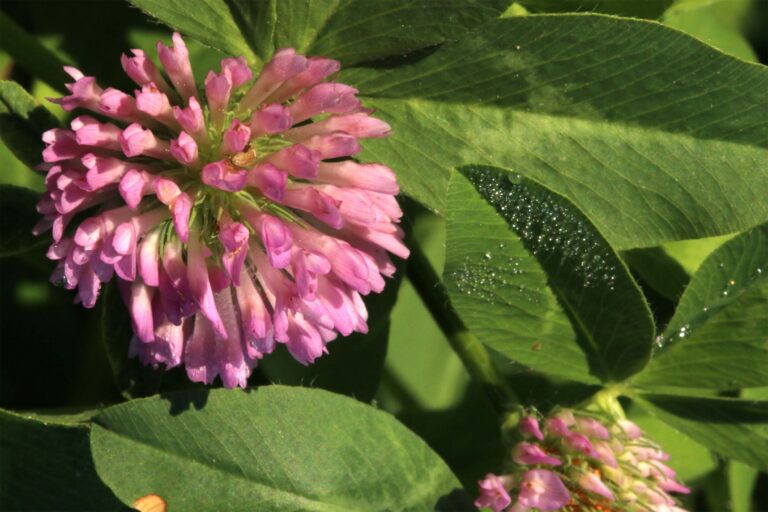
Red Clover (Trifolium pratense): used in traditional herbal medicine as an alterative and tonic, red clover is a deeply nourishing plant rich in vitamins and minerals. Red clover is a popular remedy for supporting hormone balance and detoxification as part of a holistic health strategy.
Key Nutrients
Percentages shown as %DV per serving of 5g red clover powder
Key Phytonutrients
Chlorophyll
Green pigment in plants with anti-inflammatory, antioxidant, and anti-bacterial activity
Chlorophyll (1150 mcg/g)**
Phytosterols
Compounds that help reduce the absorption of cholesterol in the gut
Carotenoids
Antioxidants with anti-cancer potential; may lower risk of macular degeneration
Lutein (99.7 mcg/g)**
Zeaxanthin (9.28 mcg/g)**
Beta-carotene (22.1 mcg/g)**
Isoflavones
Phytoestrogens are phenolic compounds that can exert mild estrogen-like activity in the body. Isoflavones—such as those found in red clover—are a well-studied class of phytoestrogens associated with support for metabolic and neuroprotective health. Red clover isoflavones may also support bone density and help manage symptoms in peri- and postmenopausal women.
Total Phenolic Content
The isoflavones and phenolic acids found in red clover are responsible for the phytoestrogenic and antioxidant benefits the plant is well known for. Learn more about our organic and sustainable farming practices.
Total Phenolics 15.2mg/g**
*Data is mean values from Phenol-Explorer Database1
**Data on file with WholisticMatters. Values subject to change based on strain and experimental methods
Did you know WholisticMatters is powered by Standard Process? Learn more about Standard Process’ whole food-based nutrition philosophy.
Learn More About Standard Process
Mountain Spinach (Atriplex hortensis) is the vibrant, red-hued cousin of the more common green spinach. Mineral-dense and electrolyte-rich, mountain spinach is an excellent source of numerous nutrients, particularly chromium. It is valued in traditional medicine as a spring tonic, gently stimulating the metabolism and nourishing the nervous system within the whole food matrix.
Key Nutrients
Percentages shown as %DV per serving of 5g mountain spinach powder
Key Phytonutrients
Betalains
Red and magenta betalain pigments demonstrating anti-inflammatory and cardioprotective effects
Betacyanins (amaranthins)
Anthocyanidins
Purple and red pigments concentrated in mountain spinach with strong antioxidant and anti-inflammatory activity
Cyanadin-3-Glucoside (110 mcg/g)**
Carotenoids
Antioxidants with anti-cancer potential; may lower risk of macular degeneration
Lutein (138 mcg/g)**
Beta-carotene (26.4 mcg/g)**
Zeaxanthin (6.53 mcg/g)**
Flavonols
Promote antioxidant activity and vascular health
Rutin (320 mcg/g)**
Nitrate
Supports exercise performance and cardiovascular health
33,900 mcg/g**
Total Phenolic Content
Phenolic compounds, including flavoniods and phenolic acids, work synergistically with the vitamins and minerals in mountain spinach to support insulin sensitivity, antioxidant effects and cardiovascular health. Read our comparison of mountain spinach and beetroot.
Total Phenolics 13mg/g**
*Data is mean values from Phenol-Explorer Database1
**Data on file with WholisticMatters. Values subject to change based on strain and experimental methods
Did you know WholisticMatters is powered by Standard Process? Learn more about Standard Process’ whole food-based nutrition philosophy.
Learn More About Standard Process
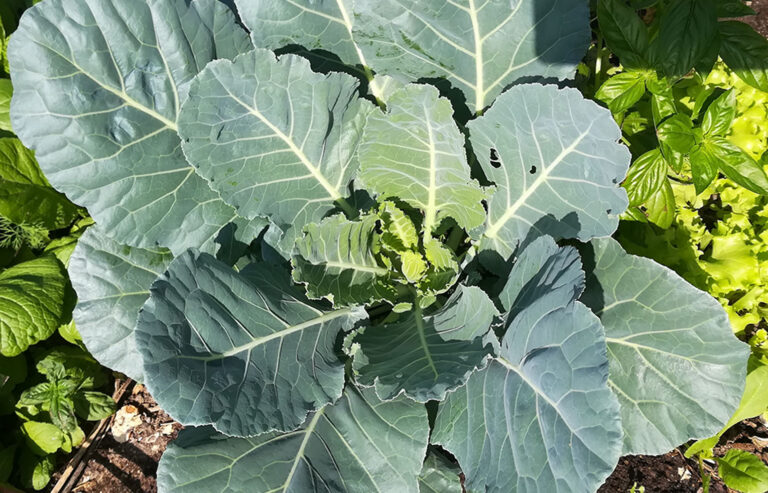
Collard Greens (Brassica oleracea var. viridis), once a common dietary staple, are nutrient-dense powerhouses, full of vitamins, minerals, antioxidants, and fiber that support digestion, immunity, and metabolic health. Collard greens are a particularly rich source of dietary folate, a key nutrient for the nervous system, reproductive health, and a concentrated contributor to the whole food matrix.
Key Nutrients
Percentages shown as %DV per serving of 5g collard green powder
Key Phytonutrients
Chlorophyll
Green pigment in plants with anti-inflammatory, antioxidant, and anti-bacterial activity
Chlorophyll (1010 mcg/g)**
Lignans
Polyphenolic compounds metabolized by gut bacteria that support antioxidant activity
Carotenoids
Antioxidants with anti-cancer potential; may lower risk of macular degeneration
Lutein (29.9 mcg/g)**
Zeaxanthin (3.36 mcg/g)**
Beta-carotene (2.43 mcg/g)**
Glucosinolates
Sulfur-containing secondary metabolites found in cruciferous vegetables, associated with antioxidant activity such as cardio-protection and liver detoxification support effects.
Total Phenolic Content
The unique blend of phenolic compounds work synergistically with the vitamins and minerals in collard greens to lower cardiovascular risk, support detoxification pathways and improve nervous system function. Explore more on preventing and managing inflammation through nutrition.
Total Phenolics 13.5mg/g**
*Data is mean values from Phenol-Explorer Database1
**Data on file with WholisticMatters. Values subject to change based on strain and experimental methods
Did you know WholisticMatters is powered by Standard Process? Learn more about Standard Process’ whole food-based nutrition philosophy.
Learn More About Standard Process
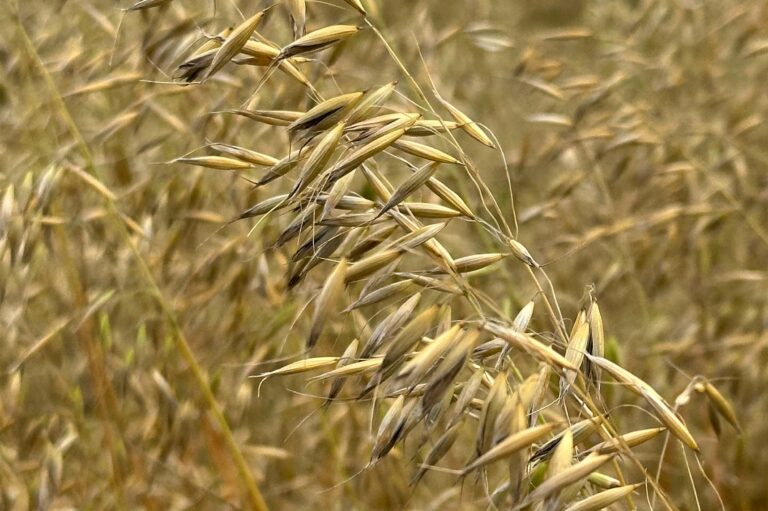
Royal Ancient OatsTM (Avena strigosa) are a unique strain of oats exclusive to Standard Process. Derived from wild ancestral variants, ancient oats are rich in naturally occurring phytonutrients, fiber, and essential minerals. Wild oats demonstrate a higher protein content than their domestic counterparts, and may contribute greater beta-glucan content to support cardiovascular, digestive, and metabolic health as a foundational part of the whole food matrix.
Key Nutrients
Percentages shown as %DV per 30g Royal Ancient Oat™ Flour powder
Key Phytonutrients
Avenanthromides
Phenolic acids exclusive to oats with strong antioxidant and anti-inflammatory activities, particularly in the cardiovascular and bitter effect
Royal Ancient OatsTM contain from 861% – 1500% more avenanthromides than conventional oats
Avenanthramide A B, and C (158.3 mcg/g)**
Beta-glucan
Supports cardiovascular health, healthy bowel function, metabolic health, healthy cholesterol levels, and increases satiety.
Beta-glucan (42,000 mcg/g)**
Total Phenolic Content
The unique complex of phenolic compounds found in Royal Ancient Oats™, including avenanthromides, contribute to the profound cardiovascular, immune, digestive and metabolic health benefits associated with this specific oat strain. Discover more in our article on the health benefits of oats.
Total Phenolics 2mg/g**
*Data is mean values from Phenol-Explorer Database1
**Data on file with WholisticMatters. Values subject to change based on strain and experimental methods
Did you know WholisticMatters is powered by Standard Process? Learn more about Standard Process’ whole food-based nutrition philosophy.
Learn More About Standard Process
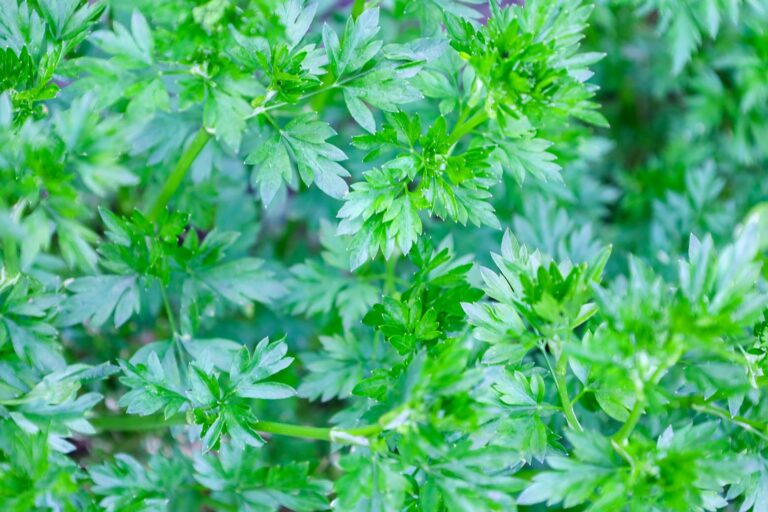
Parsley (Petroselinum crispum) is a cooling, bitter culinary and medicinal herb packed with vitamins, minerals, and antioxidants that support the body’s detoxification pathways, immune system, and digestive function- all part of the whole food matrix.
Key Nutrients
Percentages shown as %DV per serving of 5g parsley powder
Key Phytonutrients
Chlorophyll
Green pigment in plants with anti-inflammatory, antioxidant, and anti-bacterial activity
Chlorophyll (1180 mcg/g)**
Carotenoids
Antioxidants with anti-cancer potential and may lower risk of macular degeneration
Lutein (84.4 mcg/g)**
Zeaxanthin (18.5 mcg/g)**
Beta-carotene (5.82 mcg/g)**
Flavones
Phytoactive compounds with anti-inflammatory, anti-microbial, and anti-cancer activity
Apigenin (307.4 mcg/g)*
Furanocoumarins
Phytoactive metabolites with potential antioxidative, anti-proliferative, anti-inflammatory, and bone health promoting effects
Flavonols
Promote antioxidant activity and promote vascular health
Quercetin (6.5 mcg/g)*
Total Phenolic Content
The total phenolic content, including flavonoids like apigenin, parsley promotes digestion, supports vascular health, and enhances detoxification through antioxidant and mild diuretic effects. Review our herbal terminology guide to understand more about herb actions.
Total Phenolics 14.4mg/g**
*Data is mean values from Phenol-Explorer Database1
**Data on file with WholisticMatters. Values subject to change based on strain and experimental methods
Did you know WholisticMatters is powered by Standard Process? Learn more about Standard Process’ whole food-based nutrition philosophy.
Learn More About Standard Process
Betsy Miller, MS, CNS, RH(AHG), DCN-c and Aneeta Uppal, MS, PhD, IHP(7 min read)
A central theme around the beginning of the year is ‘cleanse’- from spring cleaning in the home to the desire to become healthier, getting rid of the old and ushering in the new is the common denominator behind so many goals as the seasons change. Detoxification can seem like a daunting and complicated process, particularly when there are so many options circulating in the wellness community for kits, programs and coaching. It’s so important to understand that even without undergoing ‘detoxification’ programs, or using products intended to support detoxification, the human body will continuously practice natural detoxification every single day- it has to, or it would not survive.
This doesn’t mean, however, that the detoxification pathways are functioning optimally. Detox pathways can experience increased toxic burden due to dietary habits, lifestyle factors, underlying health complications, and environmental exposure, and may not function as efficiently due to that increased toxic burden. This can show up as ongoing fatigue, difficulty with digestion, skin disorders, headaches or a myriad of other signs and symptoms associated with impaired liver or kidney clearance. Certain dietary practices, targeted nutrient and herb use, and lifestyle habits can support the various detoxification pathways in the body to allow them to function at their highest capacity.
Detoxification Pathways
The human body has several pathways that facilitate the detoxification process after exposure to both endogenous (made within the body) and exogenous (foreign) toxins. The liver and kidneys work together as the primary organs of detoxification, each with a unique but synergistic role that supports the health and function of the entire organism. Through various enzymatic pathways, the liver collects and transforms both endogenous and exogenous toxins into their excretable metabolites, which can then be removed from the body through the bowel via bile or the kidneys via urine. The kidneys are also continuously filtering the blood to remove water-soluble wastes, excess minerals, and the natural byproducts of daily metabolism, maintaining both fluid and electrolyte balance while excreting toxins.
Supporting Detoxification with Food
Dietary changes should always be the basis for supporting detoxification pathways. Reducing ultra-processed food that are nutrient poor and replacing them with nutrient-dense fruits, vegetables and complex carbohydrates will give the body’s detoxification systems the tools they need to perform their jobs more efficiently. Dark leafy greens, legumes and avocados are excellent sources of key nutrients, in particular vitamins B2, B3, B6, B9 and B12, that are used as cofactors, or essential ‘helper’ molecules, which help the liver detoxification enzymes function correctly.1
Amino acids like glycine and methionine found in hemp seeds, chia seeds and legumes support the conjugation of toxins into their excretable forms, while flavonoids found in brightly colored fruits and vegetables protect against oxidative stress during toxin processing.1
Supporting Detoxification with Herbs
Medicinal plants also have a long history of use in supporting these detoxification pathways. Depurative herbs, also known as alternatives or blood purifiers, are often used by herbalists to support the liver and kidneys in their detoxification roles. Burdock root, dandelion leaf, red clover, juniper berry and numerous other herbs are used to support the production of bile in the liver, improved movement of lymphatic fluid, and for their diuretic action within the kidneys, encouraging the natural removal of metabolic waste from the body.
When incorporated alongside dietary changes that emphasize nutrient density, these herbs are wonderful allies for improving the digestion and assimilation of nutrients that the body needs to function, and the elimination of waste products that accumulate from metabolic processes and exogenous exposure.
Synergistic Practices to Support Detoxification
Combating stress plays a large role in maintaining the body’s overall health and mental health. Chronic stress induces inflammation, and if left unchecked for too long, it can lead to chronic health conditions and impaired detoxification pathways. Stress can overwhelm the liver and the gut, making it more difficult for it to process the removal of toxins, leading to more toxin build up and cellular damage.2 Taking 10-15 minutes out of your day to focus on deep breathing, aromatherapy and gentle movement can help combat stress, improve mental health and longevity.
Breathing Exercises
The average person takes around 17,000-22,000 breaths a day.3 Deep breathing exercises can help to lower both cortisol and blood pressure.4,5 Many believe that meditation and deep breathing can be difficult to achieve, but practicing for 5 minutes a day can have beneficial effects on the mind and body. There are many forms of existing styles of meditation including but not limited to: mindfulness, focused attention, movement, and visualization. Exploring multiple styles is encouraged to identify the most effective approach.
When engaging the diaphragm with deep breathing exercises, it aids in activating the body’s relaxation response. This triggers the parasympathetic nervous system (PNS) by stimulating the vagus nerve. Activation of the PNS helps to lower heart rate, improve blood flow, and reduces stress hormones like cortisol.
Aromatherapy
In addition to breathing practices, complementary modalities can further enhance parasympathetic activation and stress reduction, supporting the mental and physical release experienced while doing a cleanse. Essential oils (EOs) contain chemical compounds and terpenes that can have a calming influence on the body. The science of aromatherapy triggers a direct response in one’s olfactory and limbic system.
The scent molecules from the diffused EOs travel up into the olfactory system and activate different olfactory receptors which send signals to the limbic system in areas that control the regulation of emotion and memories.6 These areas can activate responses of relaxation, impact pain, anxiety and stress. EOs can be used in conjunction with different meditation styles and breath work. One study found ylang ylang aromatherapy effective in lowering blood pressure and heart rate in a group of healthy men.7 Diffusing EOs such as lavender, ylang ylang and vetiver before bed can help calm and relax the mind to promote a restorative night’s sleep.
Gentle Movement for Lymphatic Drainage
Another beneficial practice for supporting the body during a cleanse is to optimize lymphatic system function. The lymphatic system assists in flushing toxins out of the body. One of the best ways to encourage the movement of lymphatic fluid is gentle movement. This can be accomplished by engaging in low-impact movement practices such as walking, stretching, yoga, tai chi, and Pilates. These mindful movements aid in boosting circulation, improving balance and mobility, and can relieve pain and stress. Pairing gentle physical activity with a whole-food purification diet can help calm inflammation and support mental, physical and emotional well-being.
Key Takeaway
Going through a period of dietary detoxification, or ‘purification’, alongside the use of key nutrients and herbs can be an incredible reminder of just how good the body and mind are capable of feeling when properly nourished and tended to- a calling to slow down, focus on deep nutrition, and implement lifestyle practices that support letting go of anything which no longer serves. Yearly or biannual periods of purification that focus on eating whole, unprocessed foods and using specific herbs and key nutrients that support pathways of detoxification are like regular ‘oil changes’ for the body- necessary practices to keep the entire organism running as smoothly and optimally as possible.
Looking for high-quality, practitioner-recommended health solutions? Locate authorized Standard Process practitioners in your area and gain access to premium health services to support your wellness journey.