
Nourish With Nature
Explore the world of natural and integrative health with Wholistic Matters. Our clinically driven insights and educational content provide the knowledge needed for holistic well-being. Your empowered wellness journey starts here.












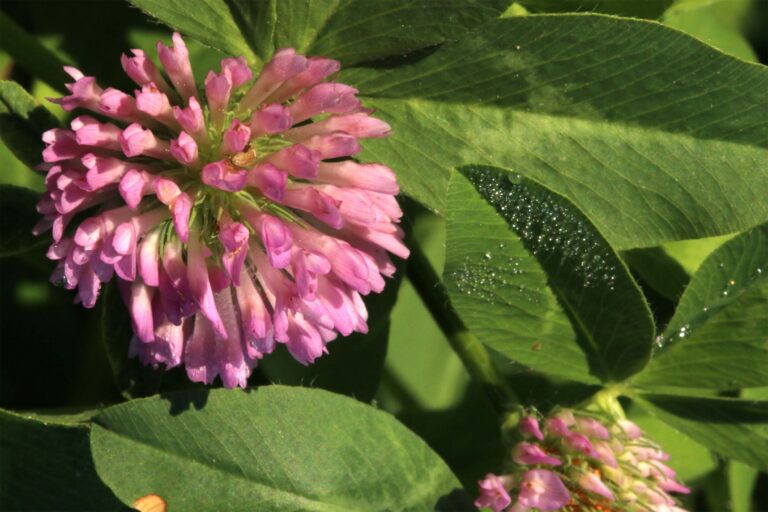
Red Clover: Whole Food Profile
WholisticMatters
(5 min read)
Red Clover (Trifolium pratense): used in traditional herbal medicine as an alterative and tonic, red clover is a deeply nourishing plant rich in vitamins and minerals. As a source of isoflavones that modulate estrogen, red clover is a popular remedy for supporting hormone balance and detoxification.
Key Nutrients
Percentages shown as %DV per serving of 5g red clover powder
Key Phytonutrients
Chlorophyll
Green pigment in plants with anti-inflammatory, antioxidant, and anti-bacterial activity
Chlorophyll (1150 mcg/g)**
Phytosterols
Compounds that help reduce the absorption of cholesterol in the gut
Carotenoids
Antioxidants with anti-cancer potential; may lower risk of macular degeneration
Lutein (99.7 mcg/g)**
Zeaxanthin (9.28 mcg/g)**
Beta-carotene (22.1 mcg/g)**
Isoflavones
Phytoestrogens are phenolic compounds that can exert mild estrogen-like activity in the body. Isoflavones—such as those found in red clover—are a well-studied class of phytoestrogens associated with support for metabolic and neuroprotective health. Red clover isoflavones may also support bone density and help manage symptoms in peri- and postmenopausal women.
Total Phenolic Content
The isoflavones and phenolic acids found in red clover are responsible for the phytoestrogenic and antioxidant benefits the plant is well known for.
Total Phenolics 15.2mg/g**
*Data is mean values from Phenol-Explorer Database1
**Data on file with WholisticMatters. Values subject to change based on strain and experimental methods
Did you know WholisticMatters is powered by Standard Process? Learn more about Standard Process’ whole food-based nutrition philosophy.
Learn More
Read Article
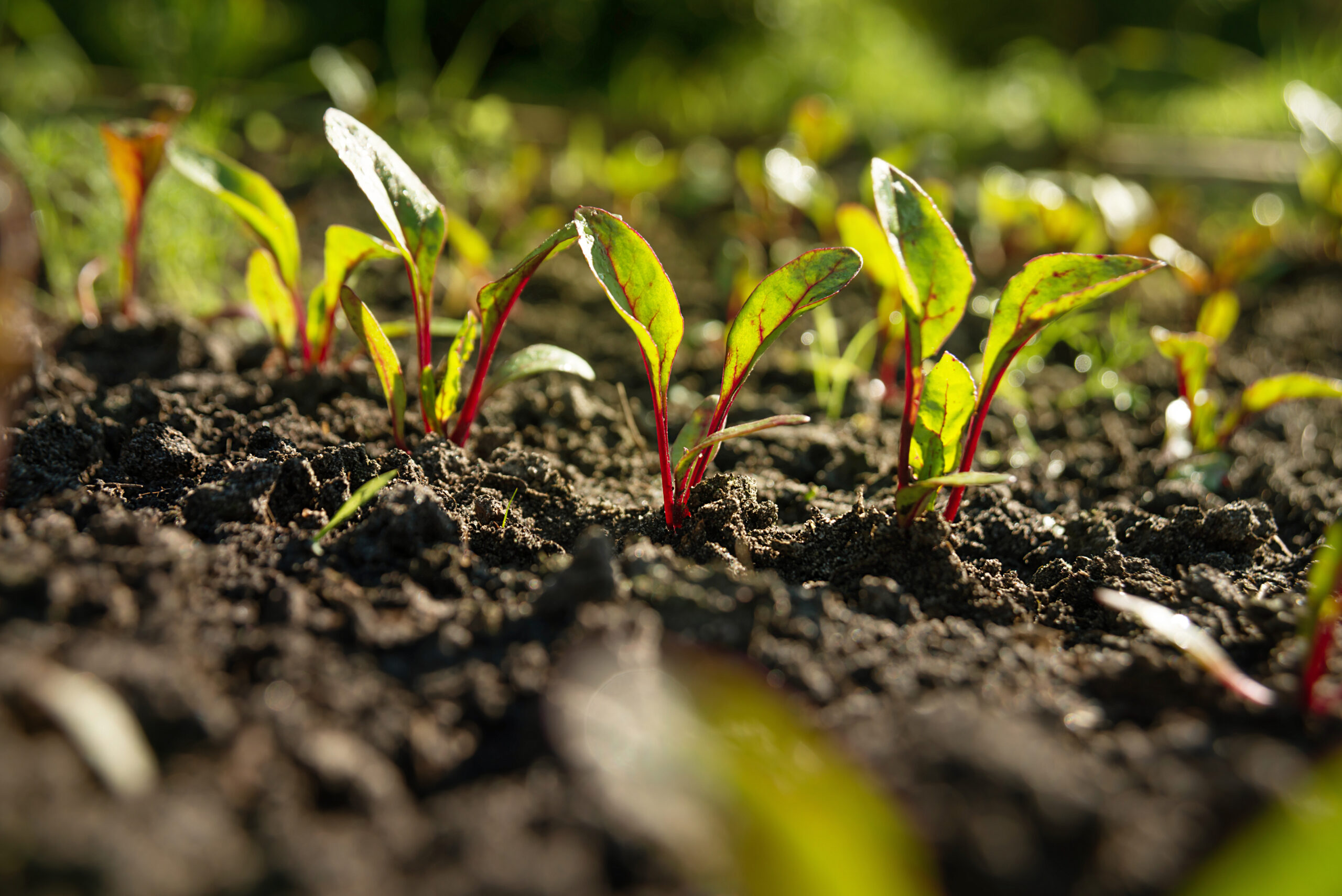
Mountain Spinach: Whole Food Profile
WholisticMatters
(5 min read)
Mountain Spinach (Atriplex hortensis) is the vibrant, red-hued cousin of the more common green spinach. Mineral-dense and electrolyte-rich, mountain spinach is an excellent source of numerous nutrients, particularly chromium. It is valued in traditional medicine as a spring tonic, gently stimulating the metabolism and nourishing the nervous system.
Key Nutrients
Percentages shown as %DV per serving of 5g mountain spinach powder
Key Phytonutrients
Betalains
Red and magenta betalain pigments demonstrating anti-inflammatory and cardioprotective effects
Betacyanins (amaranthins)
Anthocyanidins
Purple and red pigments concentrated in mountain spinach with strong antioxidant and anti-inflammatory activity
Cyanadin-3-Glucoside (110 mcg/g)**
Carotenoids
Antioxidants with anti-cancer potential; may lower risk of macular degeneration
Lutein (138 mcg/g)**
Beta-carotene (26.4 mcg/g)**
Zeaxanthin (6.53 mcg/g)**
Flavonols
Promote antioxidant activity and vascular health
Rutin (320 mcg/g)**
Nitrate
Supports exercise performance and cardiovascular health
33,900 mcg/g**
Total Phenolic Content
Phenolic compounds, including flavoniods and phenolic acids, work synergistically with the vitamins and minerals in mountain spinach to support insulin sensitivity, antioxidant effects and cardiovascular health.
Total Phenolics 13mg/g**
*Data is mean values from Phenol-Explorer Database1
**Data on file with WholisticMatters. Values subject to change based on strain and experimental methods
Did you know WholisticMatters is powered by Standard Process? Learn more about Standard Process’ whole food-based nutrition philosophy.
Learn More
Read Article

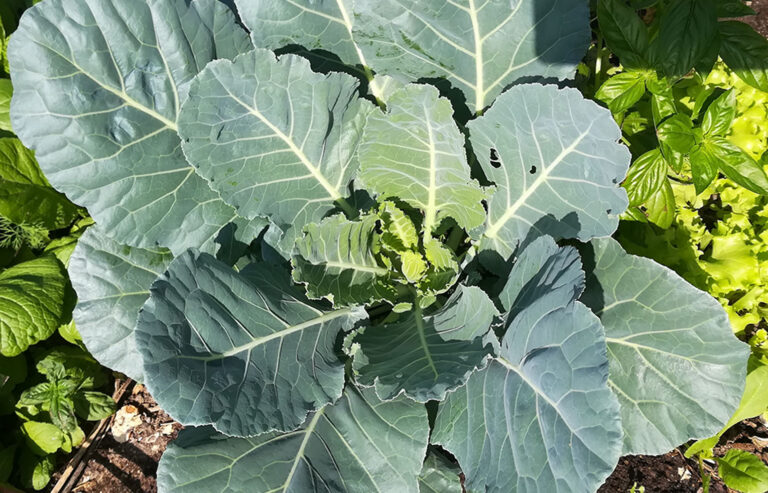
Collard Greens: Whole Food Profile
WholisticMatters
(5 min read)
Collard Greens (Brassica oleracea var. viridis), once a common dietary staple, are nutrient-dense powerhouses, full of vitamins, minerals, antioxidants, and fiber that support digestion, immunity and metabolic health. Collard greens are a particularly rich source of dietary folate, a key nutrient for nervous system and reproductive health.
Key Nutrients
Percentages shown as %DV per serving of 5g collard green powder
Key Phytonutrients
Chlorophyll
Green pigment in plants with anti-inflammatory, antioxidant, and anti-bacterial activity
Chlorophyll (1010 mcg/g)**
Lignans
Polyphenolic compounds metabolized by gut bacteria that support antioxidant activity
Carotenoids
Antioxidants with anti-cancer potential; may lower risk of macular degeneration
Lutein (29.9 mcg/g)**
Zeaxanthin (3.36 mcg/g)**
Beta-carotene (2.43 mcg/g)**
Glucosinolates
Sulfur-containing secondary metabolites found in cruciferous vegetables, associated with antioxidant activity such as cardio-protection and liver detoxification support effects.
Total Phenolic Content
The unique blend of phenolic compounds work synergistically with the vitamins and minerals in collard greens to lower cardiovascular risk, support detoxification pathways and improve nervous system function.
Total Phenolics 13.5mg/g**
*Data is mean values from Phenol-Explorer Database1
**Data on file with WholisticMatters. Values subject to change based on strain and experimental methods
Did you know WholisticMatters is powered by Standard Process? Learn more about Standard Process’ whole food-based nutrition philosophy.
Learn More
Read Article
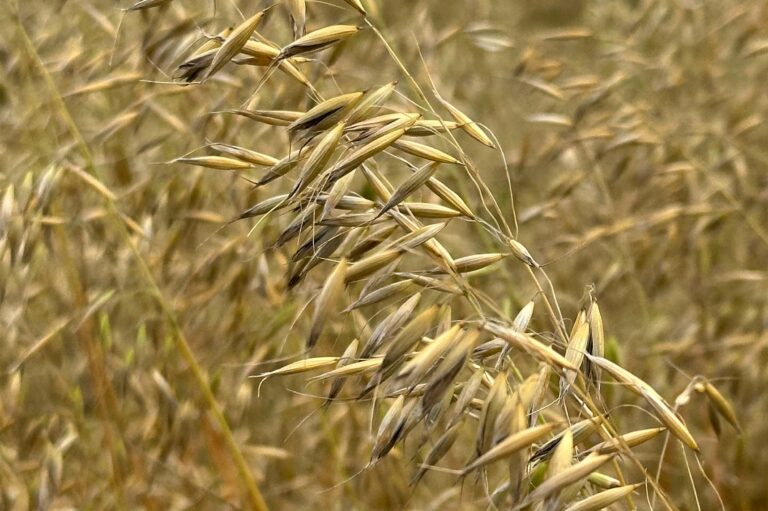
Royal Ancient Oats™: Whole Food Profile
WholisticMatters
(5 min read)
Royal Ancient OatsTM (Avena strigosa) are a unique strain of oats exclusive to Standard Process. Derived from wild ancestral variants, ancient oats are rich in naturally occurring phytonutrients, fiber, and essential minerals. Wild oats demonstrate a higher protein content than their domestic counterparts, and may contribute greater beta-glucan content to support cardiovascular, digestive, and metabolic health.
Key Nutrients
Percentages shown as %DV per 30g Royal Ancient Oat™ Flour powder
Key Phytonutrients
Avenanthromides
Phenolic acids exclusive to oats with strong antioxidant and anti-inflammatory activities, particularly in the cardiovascular and bitter effect
Royal Ancient OatsTM contain from 861% – 1500% more avenanthromides than conventional oats
Avenanthramide A B, and C (158.3 mcg/g)**
Beta-glucan
Supports cardiovascular health, healthy bowel function, metabolic health, healthy cholesterol levels, and increases satiety.
Beta-glucan (42,000 mcg/g)**
Total Phenolic Content
The unique complex of phenolic compounds found in Royal Ancient Oats™, including avenanthromides, contribute to the profound cardiovascular, immune, digestive and metabolic health benefits associated with this specific oat strain.
Total Phenolics 2mg/g**
*Data is mean values from Phenol-Explorer Database1
**Data on file with WholisticMatters. Values subject to change based on strain and experimental methods
Did you know WholisticMatters is powered by Standard Process? Learn more about Standard Process’ whole food-based nutrition philosophy.
Learn More
Read Article
Parsley: Whole Food Profile
WholisticMatters
(5 min read)
Parsley (Petroselinum crispum) is a cooling, bitter culinary and medicinal herb packed with vitamins, minerals and antioxidants that support the body’s detoxification pathways, immune system and digestive function.
Key Nutrients
Percentages shown as %DV per serving of 5g parsley powder
Key Phytonutrients
Chlorophyll
Green pigment in plants with anti-inflammatory, antioxidant, and anti-bacterial activity
Chlorophyll (1180 mcg/g)**
Carotenoids
Antioxidants with anti-cancer potential and may lower risk of macular degeneration
Lutein (84.4 mcg/g)**
Zeaxanthin (18.5 mcg/g)**
Beta-carotene (5.82 mcg/g)**
Flavones
Phytoactive compounds with anti-inflammatory, anti-microbial, and anti-cancer activity
Apigenin (307.4 mcg/g)*
Furanocoumarins
Phytoactive metabolites with potential antioxidative, anti-proliferative, anti-inflammatory, and bone health promoting effects
Flavonols
Promote antioxidant activity and promote vascular health
Quercetin (6.5 mcg/g)*
Total Phenolic Content
The total phenolic content, including flavonoids like apigenin, parsley promotes digestion, supports vascular health, and enhances detoxification through antioxidant and mild diuretic effects.
Total Phenolics 14.4mg/g**
*Data is mean values from Phenol-Explorer Database1
**Data on file with WholisticMatters. Values subject to change based on strain and experimental methods
Did you know WholisticMatters is powered by Standard Process? Learn more about Standard Process’ whole food-based nutrition philosophy.
Learn More
Read Article
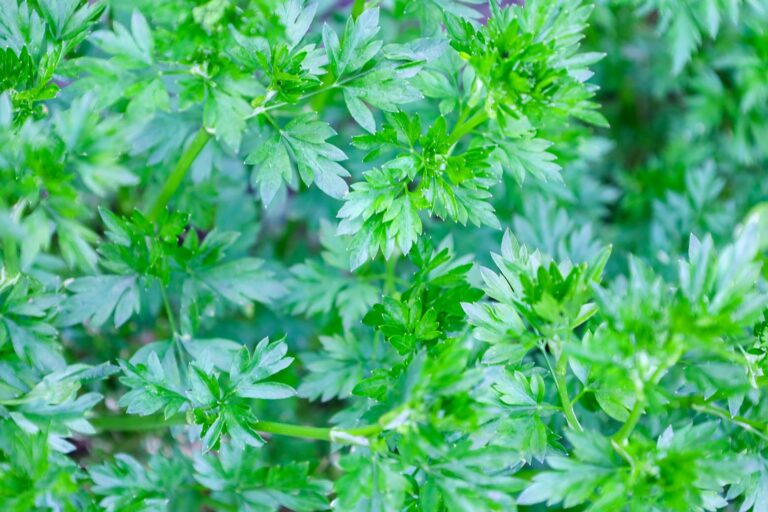
Detoxification Practices: Supporting Whole Body Wellness through Food & Ritual
Betsy Miller, MS, CNS, RH(AHG), DCN-c and Aneeta Uppal, MS, PhD, IHP
(7 min read)
A central theme around the beginning of the year is ‘cleanse’- from spring cleaning in the home to the desire to become healthier, getting rid of the old and ushering in the new is the common denominator behind so many goals as the seasons change. Detoxification can seem like a daunting and complicated process, particularly when there are so many options circulating in the wellness community for kits, programs and coaching. It’s so important to understand that even without undergoing ‘detoxification’ programs, or using products intended to support detoxification, the human body will continuously practice natural detoxification every single day- it has to, or it would not survive.
This doesn’t mean, however, that the detoxification pathways are functioning optimally. Detox pathways can experience increased toxic burden due to dietary habits, lifestyle factors, underlying health complications, and environmental exposure, and may not function as efficiently due to that increased toxic burden. This can show up as ongoing fatigue, difficulty with digestion, skin disorders, headaches or a myriad of other signs and symptoms associated with impaired liver or kidney clearance. Certain dietary practices, targeted nutrient and herb use, and lifestyle habits can support the various detoxification pathways in the body to allow them to function at their highest capacity.
Detoxification Pathways
The human body has several pathways that facilitate the detoxification process after exposure to both endogenous (made within the body) and exogenous (foreign) toxins. The liver and kidneys work together as the primary organs of detoxification, each with a unique but synergistic role that supports the health and function of the entire organism. Through various enzymatic pathways, the liver collects and transforms both endogenous and exogenous toxins into their excretable metabolites, which can then be removed from the body through the bowel via bile or the kidneys via urine. The kidneys are also continuously filtering the blood to remove water-soluble wastes, excess minerals, and the natural byproducts of daily metabolism, maintaining both fluid and electrolyte balance while excreting toxins.
Supporting Detoxification with Food
Dietary changes should always be the basis for supporting detoxification pathways. Reducing ultra-processed food that are nutrient poor and replacing them with nutrient-dense fruits, vegetables and complex carbohydrates will give the body’s detoxification systems the tools they need to perform their jobs more efficiently. Dark leafy greens, legumes and avocados are excellent sources of key nutrients, in particular vitamins B2, B3, B6, B9 and B12, that are used as cofactors, or essential ‘helper’ molecules, which help the liver detoxification enzymes function correctly.1
Amino acids like glycine and methionine found in hemp seeds, chia seeds and legumes support the conjugation of toxins into their excretable forms, while flavonoids found in brightly colored fruits and vegetables protect against oxidative stress during toxin processing.1
Supporting Detoxification with Herbs
Medicinal plants also have a long history of use in supporting these detoxification pathways. Depurative herbs, also known as alternatives or blood purifiers, are often used by herbalists to support the liver and kidneys in their detoxification roles. Burdock root, dandelion leaf, red clover, juniper berry and numerous other herbs are used to support the production of bile in the liver, improved movement of lymphatic fluid, and for their diuretic action within the kidneys, encouraging the natural removal of metabolic waste from the body.
When incorporated alongside dietary changes that emphasize nutrient density, these herbs are wonderful allies for improving the digestion and assimilation of nutrients that the body needs to function, and the elimination of waste products that accumulate from metabolic processes and exogenous exposure.
Synergistic Practices to Support Detoxification
Combating stress plays a large role in maintaining the body’s overall health and mental health. Chronic stress induces inflammation, and if left unchecked for too long, it can lead to chronic health conditions and impaired detoxification pathways. Stress can overwhelm the liver and the gut, making it more difficult for it to process the removal of toxins, leading to more toxin build up and cellular damage.2 Taking 10-15 minutes out of your day to focus on deep breathing, aromatherapy and gentle movement can help combat stress, improve mental health and longevity.
Breathing Exercises
The average person takes around 17,000-22,000 breaths a day.3 Deep breathing exercises can help to lower both cortisol and blood pressure.4,5 Many believe that meditation and deep breathing can be difficult to achieve, but practicing for 5 minutes a day can have beneficial effects on the mind and body. There are many forms of existing styles of meditation including but not limited to: mindfulness, focused attention, movement, and visualization. Exploring multiple styles is encouraged to identify the most effective approach.
When engaging the diaphragm with deep breathing exercises, it aids in activating the body’s relaxation response. This triggers the parasympathetic nervous system (PNS) by stimulating the vagus nerve. Activation of the PNS helps to lower heart rate, improve blood flow, and reduces stress hormones like cortisol.
Aromatherapy
In addition to breathing practices, complementary modalities can further enhance parasympathetic activation and stress reduction, supporting the mental and physical release experienced while doing a cleanse. Essential oils (EOs) contain chemical compounds and terpenes that can have a calming influence on the body. The science of aromatherapy triggers a direct response in one’s olfactory and limbic system.
The scent molecules from the diffused EOs travel up into the olfactory system and activate different olfactory receptors which send signals to the limbic system in areas that control the regulation of emotion and memories.6 These areas can activate responses of relaxation, impact pain, anxiety and stress. EOs can be used in conjunction with different meditation styles and breath work. One study found ylang ylang aromatherapy effective in lowering blood pressure and heart rate in a group of healthy men.7 Diffusing EOs such as lavender, ylang ylang and vetiver before bed can help calm and relax the mind to promote a restorative night’s sleep.
Gentle Movement for Lymphatic Drainage
Another beneficial practice for supporting the body during a cleanse is to optimize lymphatic system function. The lymphatic system assists in flushing toxins out of the body. One of the best ways to encourage the movement of lymphatic fluid is gentle movement. This can be accomplished by engaging in low-impact movement practices such as walking, stretching, yoga, tai chi, and Pilates. These mindful movements aid in boosting circulation, improving balance and mobility, and can relieve pain and stress. Pairing gentle physical activity with a whole-food purification diet can help calm inflammation and support mental, physical and emotional well-being.
Key Takeaway
Going through a period of dietary detoxification, or ‘purification’, alongside the use of key nutrients and herbs can be an incredible reminder of just how good the body and mind are capable of feeling when properly nourished and tended to- a calling to slow down, focus on deep nutrition, and implement lifestyle practices that support letting go of anything which no longer serves. Yearly or biannual periods of purification that focus on eating whole, unprocessed foods and using specific herbs and key nutrients that support pathways of detoxification are like regular ‘oil changes’ for the body- necessary practices to keep the entire organism running as smoothly and optimally as possible.
Read Article

Turnip Greens: Whole Food Profile
WholisticMatters
(5 min read)
Turnip greens come from the leaves of root vegetable Brassica rapa subsp. rapa and are a particularly rich source of vitamins K, E, A and B6 as well as naturally occurring folate and phytoactive compound lutein. The dry leaves from turnips are also a rich source of glucosinolates and the activating enzyme myrosinase.
Key Nutrients
Percentages shown as %DV per serving of 5.68g turnip greens.
Key Phytonutrients
Glucosinolates
Sulfur-containing secondary metabolites found in cruciferous vegetables, associated with antioxidant activity such as cardio-protection and detoxification support.
Flavonols
Promote antioxidant activity and vascular health
Kaempferol (31.7 mcg/g)*
Quercetin (4.9 mcg/g)*
Myrosinase
Enzyme found in plant tissue that initiates conversion of glucosinolates to bioactive isothiocyanates
Potential antioxidant compound with anti-cancer potential
Chloryphyll
Green pigment in plants with potential anti-inflammatory, antioxidant, and anti-bacterial activity
Carotenoids
Antioxidants with anti-cancer potential; may lower risk of macular degeneration
Beta-carotene(220.8 mcg/g)**
Lutein (363mcg/g)**
Zeaxanthin (30mcg/g)**
Total Phenolic Content
The phenolic compounds in turnip greens, including ellagic acid, support the B vitamin content in the vegetable to provide strong anti-inflammatory, cardiovascular and nervous system benefit.
Total Phenolics 16.9 mg/g**
*Data is mean values from Phenol-Explorer Database1
**Data on file with WholisticMatters. Values subject to change based on strain and experimental methods
Did you know WholisticMatters is powered by Standard Process? Learn more about Standard Process’ whole food-based nutrition philosophy.
Learn More
Download PDF
Read Article
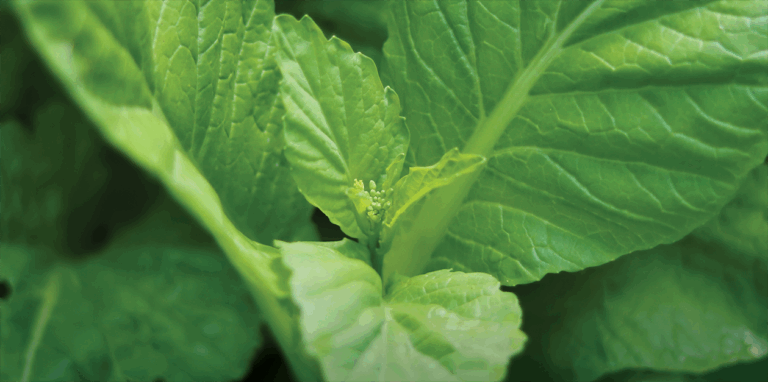
Swiss Chard: Whole Food Profile
WholisticMatters
(5 min read)
Dark leafy greens with vibrantly colored stems and veins are trademark features of Swiss chard (Beta vulgaris L. subsp. cicla). This plant is a mineral delivery powerhouse.
Key Nutrients
Percentages shown as %DV per serving of 5g dry Swiss chard extract.
Key Phytonutrients
Chlorophyll
Green pigment in plants with potential anti-inflammatory, antioxidant, and anti-bacterial activity
Flavonols
Promote antioxidant activity and vascular health
Kaempferol(92 mcg/g)*
Quercetin(75 mcg/g)*
Lignans
Polyphenolic compounds metabolized by gut bacteria that support antioxidant activity.
Betalains
Red pigments with antioxidant, anti-cancer, anti-lipidemic, and antimicrobial properties
Carotenoids
Yellow and green antioxidants with anti-cancer potential and may lower risk of macular degeneration
Lutein (145 mg/g)**
Zeaxanthin(10.6 mg/g)**
Beta-carotene (52.26 mg/g)**
Total Phenolic Content
The phenolic compounds in turnip greens, including ellagic acid, support the B vitamin content in the vegetable to provide strong anti-inflammatory, cardiovascular and nervous system benefit.
Total Phenolics 16.9 mg/g**
*Data is mean values from Phenol-Explorer Database1
**Data on file with WholisticMatters. Values subject to change based on strain and experimental methods
Did you know WholisticMatters is powered by Standard Process? Learn more about Standard Process’ whole food-based nutrition philosophy.
Learn More
Download PDF
Read Article
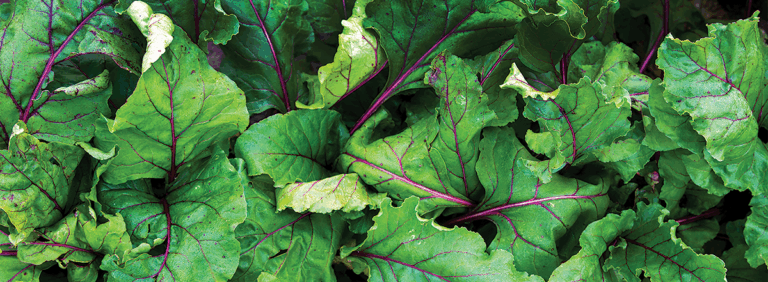
Spanish Black Radish: Whole Food Profile
WholisticMatters
(5 min read)
Spanish Black Radish (Raphanus sativus L. Var. niger) is a cruciferous vegetable associated with the production of detoxification enzymes, healthy digestion, and healthy liver and gallbladder function. Spanish black radish is grown for its rich supply of glucosinolates.
Key Nutrients
Percentages shown as %DV per serving of 5.5g Spanish black radish.
Key Phytonutrients
Glucosinolates
Sulfur-containing secondary metabolites found in cruciferous vegetables, associated with antioxidant activity such as cardio-protection and detoxification support effects.
Glucoraphasatin (powerful glucosinolate unique to radish)
Saponins
Compounds that support the immune system, healthy cholesterol levels, and blood glucose levels
Tannins
Large set of diverse phenolic compounds found in plants that contribute to antioxidant activity, antimicrobial action, and distinct dark color
Myrosinase
Enzyme found in plant tissue that initiates conversion of glucosinolates to bioactive isothiocyanates
Total Phenolic Content
The total phenolic content, including glucosinolate-derived compounds, supports detoxification, improves digestion, and helps regulate cholesterol through antioxidant and liver enzyme-supportive actions.
Total Phenolics 12.6mg/g**
*Data is mean values from Phenol-Explorer Database1
**Data on file with WholisticMatters. Values subject to change based on strain and experimental methods
Did you know WholisticMatters is powered by Standard Process? Learn more about Standard Process’ whole food-based nutrition philosophy.
Learn More
Download PDF
Read Article
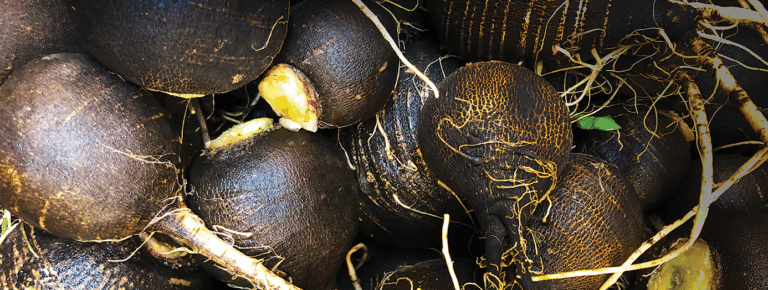
Peavine: Whole Food Profile
WholisticMatters
(5 min read)
The squeezed juice from the combined pods, vines, leaves, and stems of the common pea (Pisum sativum) is a nutritionally packed source of essential vitamins and a significant source for phenolic compounds.
Key Nutrients
Percentages shown as %DV per serving of 5g peavine juice extract.
Key Phytonutrients
Chlorophyll
Green pigment in plants with potential anti-inflammatory, antioxidant, and anti-bacterial activity
Flavonols
Promote antioxidant, anti-cancer, vascular, and anti-inflammatory activity
Kaempferol
Quercetin
Lignans
Polyphenolic compounds metabolized by gut bacteria that support antioxidant activity
Saponins
Support the immune system, healthy cholesterol levels, and blood glucose levels
Carotenoids
Antioxidants with anti-cancer potential and may lower risk of macular degeneration
Lutein (7.22 mcg/g)**
Zeaxanthin (0.39 mcg/g)**
Total Phenolic Content
Contains phenolic antioxidants that support endocrine balance, assist kidney function, and aid liver detoxification processes.
Total Phenolics 33.9mg/g**
*Data is mean values from Phenol-Explorer Database1
**Data on file with WholisticMatters. Values subject to change based on strain and experimental methods
Did you know WholisticMatters is powered by Standard Process? Learn more about Standard Process’ whole food-based nutrition philosophy.
Learn More
Read Article



Locate Professional Health Solutions Nearby
Looking for high-quality, practitioner-recommended health solutions? Locate authorized Standard Process practitioners in your area and gain access to premium health services to support your wellness journey.
