Empower your practice with clinically relevant, science-backed insights that inspire positive, transformational outcomes with your patients.
Explore our content across a diverse range of health and nutrition-related topics, patient concerns, and common clinical presentations.





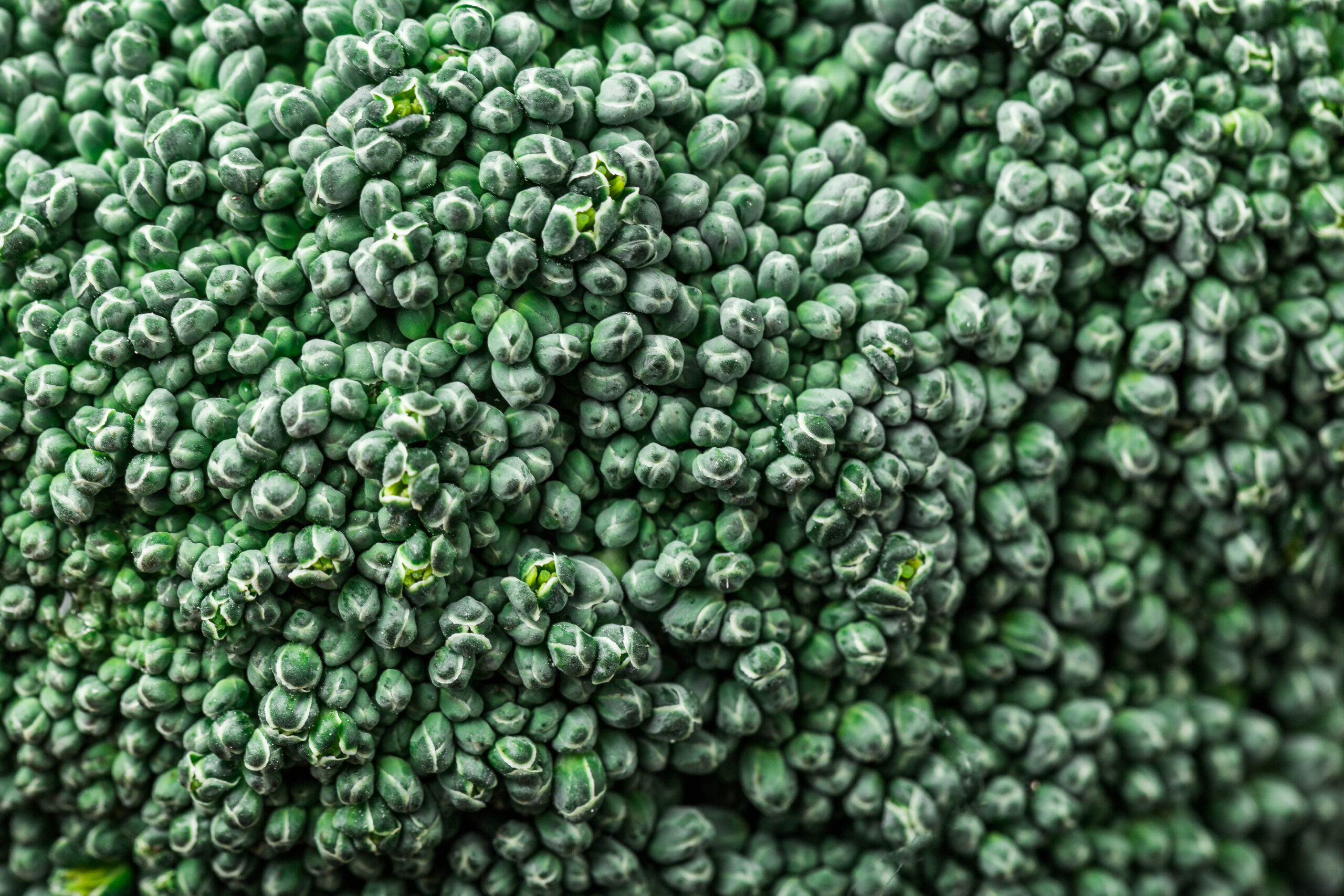


A Synbiotic Approach to Pediatric Gut Health
Mimi Hernandez, MS, RH(AHG)
(10 min read)
A child with a sensitive stomach may present with frequent colds or seasonal allergies. Another with persistent eczema may struggle with digestion or focus. More often than not, these concerns do not exist in isolation. For years, these patterns were treated as separate clinical puzzles. Today, they are increasingly understood as part of a larger conversation within the body, one that often begins in the gut.
A gut-first framework for whole child resilience
A gut-first approach to pediatric health is gaining traction not as a trend, but as a reflection of emerging science. The developing microbiome, the maturing immune system, and broader communication networks throughout the body are deeply interconnected and still being shaped in real time during childhood. This period represents a window of remarkable potential. Much like a young child can effortlessly absorb new languages, the microbiome in early life is especially receptive, capable of building resilience that can influence health patterns for years to come.
This understanding is shifting how we think about support, moving away from a paradigm of compensation toward a terrain-focused synbiotic strategy that helps shape the environment in which the microbiome can establish, communicate, and function over time. For clinicians, this offers an integrative perspective. Supporting the gut during this formative period is not simply about improving digestion. It is an opportunity to influence immune balance, neurocognition, skin health, allergic responsiveness, and broader patterns of health at a foundational level.
Pediatric nutrition: shaping the microbial language
In many ways, the developing microbiome is learning a language of its own. It communicates continuously with the brain, the immune system, and beyond, shaping these systems over time. Like any language, its fluency depends on exposure. The “vocabulary” of the microbiome is built from the signals it receives early in life. These include the foods children eat, the environments they interact with, and the microbial exposures that shape their internal ecosystems.
Among these influences, diet provides some of the most consistent and meaningful building blocks. From the earliest introduction of foods, dietary patterns begin to shape which microbes thrive and which do not. Diets centered around a wide variety of whole foods introduce a range of fibers and phytonutrients that expand the microbiome’s vocabulary and functional capacity. In contrast, dietary patterns dominated by ultra-processed foods tend to provide a narrower set of building blocks, limiting the diversity of the microbial ecosystem.
As children grow, the increasing complexity of their diet continues to guide how the microbiome develops, shaping its diversity and how it communicates with the rest of the body. For a developing gut language, a wholesome diet is not just supportive; it is instructive.
The pediatric fiber gap: missing key vocabulary
If diet is the most influential curriculum shaping the microbiome, fiber may be one of its earliest and most consistent teachers. Yet this is where many children fall short. An estimated 95 percent do not meet recommended fiber intake levels.¹ What is missing is not just a nutrient, but an essential layer of instruction during a critical window of development. Clinically, the signs are often familiar. Constipation is common, frequently tracing back to low fiber intake alongside shifts in the gut microbiota.
But fiber’s role extends far beyond bowel regularity. It helps shape the microbiome itself, supporting the gut as a central hub that influences immune function, metabolism, and signaling across multiple systems. Even short-term reductions in fiber intake have been associated with measurable shifts in the gut microbiome, highlighting how quickly this ecosystem responds to dietary change.²
Over time, the continual cycle of fiber intake, microbial fermentation, and metabolite production helps guide how the microbiome develops and functions. In this way, fiber becomes more than nourishment and actually becomes an active participant in the dynamic relationship between diet, microbes, and the host.
Short-chain fatty acids: translating microbial activity
Short-chain fatty acids, or SCFAs, are important metabolites produced by the microbiome in response to dietary fiber. As fiber reaches the colon, it becomes fuel for microbial fermentation, giving rise to compounds such as acetate, propionate, and butyrate. These metabolites help regulate immune responses, support gut barrier integrity, and influence metabolic and neurological signaling throughout the body, essentially translating microbial activity into physiological effects.3
Because SCFA production depends on the availability and type of fermentable fibers, they offer a clear link between what we eat, the health of the gut lining, and how the microbiome communicates with the rest of the body. This naturally leads to an important question in practice: how can we more intentionally support the microbial processes that give rise to these metabolites?
Prebiotic fibers: fueling the conversation
Certain fibers have a unique ability to nourish beneficial microbes and support the processes that give rise to SCFAs. These are known as prebiotic fibers. Because they pass through the upper digestive tract intact, prebiotic fibers arrive in the colon ready to be used as a reliable fuel source for specific microbial communities.
As these microbes metabolize prebiotic fibers through fermentation, they contribute to the production of short-chain fatty acids and help support a more balanced microbial environment that influences immune, metabolic, and gut barrier function.
Some of the most well studied of these fibers are inulin and oligofructose. They are naturally found in foods that have long been part of the human diet, including chicory root, a hardy plant that grows in open fields and has been used for generations. Chicory root has traditionally been roasted and brewed as a coffee alternative, valued not only for its rich, bitter flavor but also for its gentle support of digestion.
Today, prebiotic fiber is recognized for its ability to nourish microbiomes in more targeted ways. Its effect is not only theoretical. In young children, even short periods of supplementation have been shown to shift the microbiota in favorable ways while improving digestive comfort. In one study of children aged 7 to 19 months, three weeks of prebiotic fiber intake was associated with fewer episodes of diarrhea, vomiting, flatulence, and fever.4
Fiber diversity: building a richer vocabulary
For growing children, the goal is not simply more fiber, but fiber from a variety of whole foods. Each type of fiber delivers a different substrate to the microbiome, helping expand its functional capacity over time. Many familiar foods provide these distinct fibers in ways that are both practical and accessible for families:
Pectin: soft support
Found in apples and other fruits, pectin forms soft, hydrating gels in the digestive tract. It supports comfortable stool formation while also serving as a fermentable fuel source for beneficial microbes.
Beta glucans: bridging systems
Present in oats, beta glucans are well studied for their role in metabolic health. They also interact with immune pathways in the gut while providing fermentable support for the microbiome.
Resistant starch: reaching deeper conversations
Found in foods such as green banana flour, resistant starch resists digestion in the small intestine and reaches the colon intact, where it fuels microbial fermentation and supports the production of butyrate, a short-chain fatty acid that fuels colonocytes, strengthens intestinal barrier integrity, and modulates inflammatory signaling.
Whole plant fibers: layered communication
Vegetables such as beetroot provide a natural mix of fibers that support both motility and microbial fermentation, allowing for more complex and sustained microbial interactions.
These fibers span both soluble and insoluble types, each contributing in different ways. Some help form softer, more hydrated stools, while others add bulk and support regular movement through the digestive tract.
Probiotics: restoring harmony
If fiber helps shape the environment, well-characterized probiotics can help bring the microbiome back into balance. Rather than introducing something foreign, they support organisms that are already familiar to the system, helping restore coordination within the microbial community.
Many of the organisms used in pediatric care reflect this idea. Species such as Lactobacillus and Bifidobacterium are common early colonizers and remain central to a well-balanced microbiome throughout childhood. Supporting these organisms is less about adding new voices and more about strengthening those that help the system stay in tune.
At the same time, clinical outcomes are not defined at the level of species alone. Probiotic effects are determined at the strain level, and much of the evidence in pediatric care is tied to well-characterized strains studied for specific outcomes. While parents may recognize familiar species names, it is the individual strain that determines how a probiotic behaves within the body.
In pediatric digestive health, strains such as Lactobacillus acidophilus DDS-1 and Bifidobacterium lactis UABLA-12 have been studied extensively for their role in supporting bowel function, with improvements in stool frequency, consistency, and overall bowel habits in children with functional constipation.5
These organisms also play an important metabolic role. Both are lactate producers, contributing to a pool of metabolites that can be used by other beneficial microbes. Through this process, often referred to as cross-feeding, they help support the growth and activity of additional microbial communities involved in short-chain fatty acid production and overall gut stability. In this way, probiotics do more than act alone. They help lay the metabolic groundwork for a broader microbial network. But these interactions depend on having the right substrate. Without adequate fiber, the system has little to build on.
Synbiotics: creating coherence
When probiotic microbes are paired with supportive fibers, they form a synbiotic, bringing together beneficial organisms with the nutrients that nourish them. Rather than introducing microbes in isolation, synbiotics help create an environment where microbial activity is more coordinated and better sustained.
In pediatric care, this children’s synbiotic strategy makes sense. Pediatric gut health is not simply maintained. It is being built. To build something resilient, the terrain must be supportive. The inputs provided during this time influence not only which microbes are present, but how effectively they communicate with the immune system, the skin, and other systems throughout the body.
Immune tone: clinical outcomes with synbiotics
In clinical research, this integrated approach shows meaningful outcomes, particularly in conditions that reflect the evolving relationship between the gut and the immune system. In early childhood, this relationship is often visible through patterns such as the atopic march, where eczema, allergies, and respiratory conditions unfold along a shared immunological trajectory. Intervening during this window offers an opportunity not only to manage symptoms, but to influence the direction of that progression.
In children with atopic dermatitis, a synbiotic combination of L. acidophilus DDS-1, B. lactis UABLA-12, and inulin improved eczema symptoms across multiple domains, including the extent of skin involvement, itch intensity, and sleep disruption.6 These changes reflect more than surface-level improvement. The skin, as an outward expression of immune tone, often mirrors deeper coordination within the gut–immune axis. Shifts in CD4 to CD8 ratios observed in the study point to a softening of immune reactivity, a movement away from a more hypersensitized state. When this kind of shift begins to take place, it raises a broader question. If the immune terrain is becoming less reactive at the level of the skin, how might that influence other systems shaped by immune responsiveness, including the respiratory tract?
It certainly seems to make a difference. In children experiencing acute respiratory infections, the same synbiotic combination supported faster recovery and milder illness.7 This translated into earlier symptom resolution, improved day to day comfort, and fewer missed days from school or childcare.
A probiotic yeast: holding the line during disruption
But even in a well-supported system, disruptions still occur. Antibiotic use is a common and often necessary part of pediatric care, but it can temporarily interfere with microbial balance and contribute to gastrointestinal symptoms, including antibiotic-associated diarrhea.
One microorganism used to support digestive stability during antibiotic exposure is Saccharomyces boulardii, a probiotic yeast. Unlike bacterial probiotics, this gut familiar yeast is not affected by antibacterial medications and can remain active during antibiotic therapy where it lends a protective effect. Clinical studies show that S. boulardii helps reduce the risk of antibiotic-associated diarrhea in children and supports recovery during acute diarrhea from other causes.⁸
Within a broader synbiotic strategy that includes supportive fibers and well-studied bacterial probiotics, S. boulardii provides an additional layer of support for maintaining microbial balance and digestive resilience during periods of disruption.
Clinical Takeaway: Building microbial fluency over time
The pediatric microbiome is not fixed. It is learned, developing through exposure, repetition, and interaction, much like language. Within this process, different classes of organisms take on complementary roles. Bacterial strains such as L. acidophilus DDS-1 and B. Lactis UABL-12 support fermentation and cross-feeding, while Saccharomyces boulardii helps maintain stability during periods of disruption.
Gut microbes do not act in isolation. Their function is shaped by the environment they inhabit. A diverse fiber landscape provides the substrate for microbial metabolism, signaling, and coordination, helping guide how the microbiome develops and communicates over time.
Together, these elements begin to form a synbiotic approach, one that supports a microbiome that is not only present, but actively engaged and functional.
For clinicians, this offers a meaningful opportunity to support digestive function, immune resilience, and broader patterns of health during a critical window of development. When we support a gut-first approach during childhood, we are not simply managing symptoms, but helping set the stage for a lifetime of microbial fluency.
Did you know WholisticMatters is powered by Standard Process? Learn more about Standard Process’ whole food-based nutrition philosophy.
Learn More
Read Article

Inflammaging and Whole Food Nutrition
Megan Martell, MSc
(15 min read)
How phytonutrients in whole foods can calm inflammation that contributes to age-related conditions
The risk for disease and co-morbidities has sky-rocketed in recent years among aging populations. This is due to numerous factors such as dysregulated innate immunity, cell senescence, prolific reactive oxygen species (ROS), accumulation of “self-debris ” or dead cell material, and microbiome dysbiosis, that both contributes to and exacerbates what we now know as inflammaging.1-3
What is Inflammaging?
Inflammaging is the chronic display of low-grade inflammation, occurring without infection or pro-inflammatory stimuli, that degrades tissue and further contributes to the acceleration of age-related conditions such as Alzheimer’s, atherosclerosis, diabetes, sarcopenia, and osteoporosis.1,2 Such inflammation is becoming more common, where in theory, it should subside immediately after the pathogen or the acute inflammatory stimuli has been addressed, allowing the tissue to rest, repair, and heal. This chronic state of inflammation, however, weakens and degrades the tissue, making it less resilient and more prone to further assault and injury, which further weakens the body systems and body overall.1
This type of chronic inflammation causes hyperactivity of the innate immune system (broad-spectrum immunity) which is already upregulated as adaptive immunity (targeted immunity) decreases naturally with age.2,3 This dysregulation impairs the body’s natural ability to efficiently and effectively respond to incoming antigens or environmental stimuli and maintain homeostatsis.3
Cytokines
An over-active immune system leads to the over-production of cytokines and other inflammatory mediators, where an abundance of cytokines weaken the anabolic signaling, or tissue building, cascade which may downregulate insulin, erythropoietin, and other hormone signaling which inhibits protein synthesis and may further attribute to sarcopenia or osteoarthristis.1,2,4 Furthermore, other pro-inflammatory cytokines have been attributed to age-related endocrine dysfunction, metabolic and digestion disruption, as well as cognitive decline, dementia, and other neurodegenerative conditions.3
Adipokines
Adipokines, or adipose-specific derived cytokines, have also been shown to trigger the proliferation of adipose tissue, which also recruits additional pro-inflammatory cytokines to these tissues. In other words, adipose tissue increases with age and accumulates in or around the liver, bones, muscles, as well as other organ tissues, and further triggers an inflammatory cascade response. This inflammatory cascade causes more cytokines to be directed to localized tissue, further promotes more accumulation of adipose in these organs, and the cycle continues, creating a now systemic pro-inflammatory environment.
Macrophages
Another inflammatory mediator, macrophages- normally involved in acute inflammation, have also been shown to be more abundant and prolific in age-related inflammation. They infiltrate the adipose tissue and, like adipokines, induce adipose accumulation, trigger adipose inflammation – or the release of adipokines, and further contribute to systemic inflammation.3 Other tissues, such as the muscles, kidney, heart, liver, and brain commonly experience elevated levels of macrophages during aging, though it is thought macrophages in these areas attribute to more of a localized pro-inflammatory response.
Microglias
However, like cytokines, microglias, or brain-specific macrophages, trigger yet another inflammatory cascade, and have also been attributed to the onset of dementia, again, demonstrating the link between inflammaging and age-related conditions.3 Interestingly, a recent Japanese study on semi-supercenternarians, those who are between 105-109 years old, concluded that chronic systemic inflammation was a major factor in loss of cognitive function and overall mortality.
The absence of inflammation was a greater predictor of longevity more so than telomere length, the length of the repetitive sequence at the end of a DNA strand, which has been previously established as the predictor of successful aging.3 Telomere length, along with cell damage and oxidative stress, are some of the potential mechanisms attributed to cell senescence. Cell senescence, or the irreversible end of the cell-cycle where the cell is no longer able to replicate, also triggers the release of various pro-inflammatory cytokines. It is thought that this pro-inflammatory response at the end of a cell’s life is the original cause of inflammaging and the corresponding age-related conditions.1
Detoxification Pathways in Aging Populations
Additionally, it has been shown that the clearance of these now dead cells, slows the progression of, and may even prevent, age-related conditions, such as atherosclerosis and osteoarthritis.1 However, clearance of this dead material, or self-debris, is challenging as the number of cell deaths increase with age, as well as the pathways of clearance and elimination also decrease with age. These cellular components, such as free radicals, and metabolites, are recognized by a series of “hazard” sensors, called inflammasomes, that again trigger a pro-inflammatory response in the hopes of debris clearance and/or cellular repair.
When a cell is damaged or dies, the inflammasomes cause a release of mitochondria-specific reactive oxygen species (ROS) that initiate their own highly potent inflammatory cascade loop, causing further inflammation and damage to the cell and surrounding tissues.1 The ability for the cell to handle oxidative stress and other reactive species is well-functioning in youth but declines or malfunctions as we age, also resulting in the activation of the pro-inflammatory response system.3 As the damaged cells accumulate, the “hazard” response becomes chronic, and further triggers a maladapted, highly inflammatory response that further alters the microenvironment of the surrounding tissue.1
Gut Microbiome
Another microenvironment modulated by inflammaging is the gut microbiome. While it has been shown that the presence of Bifidobacterium is inversely correlated to serum levels of inflammatory cytokines, it has also been documented that these and other anti-inflammatory/health promoting microbiota decrease with age. To add to this, the more pro-inflammatory and pathogenic species have also been found to increase with age. These pro-inflammatory changes in gut microbiota may also increase the susceptibility of infection and pathological colonization of undesirable microbiota in this population.1 Furthermore, these detrimental microbiota produce other inflammatory byproducts and metabolites that leach into the surrounding tissue and eventually end up in circulation, causing- and exacerbating- damage along the away. In fact, this increased microbial translocation has been shown to result in endotoxemia, destruction of the vascular integrity, altered blood flow or stasis, and atherosclerosis. Of course, the body also loses the ability to control and sequester these microbes and their metabolites with age, further contributing to this dysbiosis.2
Oral Dysbiosis
It’s not just the gut microbiota that is contributing to inflammaging, the oral microbiota is also a contributing factor. Oral dysbiosis, in combination with the body’s natural degradation of the gums over time and maladjusted inflammatory response, has been shown to both cause and worsen gingivitis and periodontal disease. The presence of these conditions has been linked to a significant decline in quality of life, as well as specific age-related pathologies such as cardiovascular disease, endothelial dysfunction, metabolic dysfunction, diabetes, and neurodegenerative diseases due to the spillover of inflammatory cytokines from the periodontium into circulation. Oral dysbiosis also increases the risk of periodontal pathogens that can further impede and modulate the immune system, while creating a more favorable environment for these opportunistic microbes to thrive. Furthermore, as the periodontal tissue deteriorates over time, the inflammatory response starts to malfunction thus triggering a flood of cytokines to the localized tissue and causes yet another inflammatory cascade loop. This inflammatory cascade then triggers even more tissue degradation and cell death, exacerbating it further.5
However, there is hope. It’s not all doom and gloom as inflammaging is both preventable and curable.2
Phytonutrients in Whole Foods and Their Influence on Inflammaging
Dietary choices, good or bad, are believed to have a major influence on both the development and progression of age-related diseases. In particular, the Mediterranean diet, which is high in polyphenols, has been shown to profoundly modulate the systemic inflammatory response by inhibiting the production of such inflammatory metabolites and further protect against other pro-inflammatory damage. A diet such as this could potentially attenuate age-related diseases, improve cell metabolism and systemic outcomes, and further promote overall quality of life.6 In fact, adherence to this diet has been largely associated with decrease pain, disability, and depression as well as an increase in physical performance, cognitive function, and overall vitality.4
Whole Food Nutrition: The Mediterranean Diet
The Mediterranean diet is a well-balanced diet, characterized by consistent use of olive oil, vegetables, fruits, nuts, legumes, whole grains, and seafood as well as the moderate inclusion of eggs, dairy, and other lean proteins. It also emphasizes the importance of restricting saturated fats, red meats, processed foods, refined grains, and sugar. All in all, it provides a well-balanced mix of antioxidants and anti-inflammatory components, as well as comprehensive microbiome support such as prebiotic compounds and beneficial fiber.6,7
Polyphenols: Resveratrol, Catechins, and Flavonoids
As mentioned earlier, this diet is high in polyphenols and other phytonutrients which have developed in an evolutionary way to protect the plant from pathogens, insects, animals, etc. A similar cell-defense mechanism is imparted to us humans upon consumption of these phytonutrients.6 Some of these phytonutrients and polyphenols include resveratrol- found in grapes, catechins- found in green tea, and flavonoids, such as quercetin – found in dark berries, dark chocolate, and citrus fruits.
These compounds have been extensively studied and their numerous mechanisms of action can be distilled down to the potent and direct antioxidant activity that occurs at the intra-cellular level, as well as the inhibition of cytokine activity, the regulation and modulation of gene expression, and the activation of additional anti-inflammatory cascades. Essentially, they have far-reaching benefits and have been notably recognized for their promotion and protection of the cardiovascular system, nervous system, musculoskeletal system, immune system, and beyond.8
Clinical Takeaways
In conclusion, while the compounding factors of inflammaging such as a dysregulated immune system, self-debris proliferation, and microbiome dysbiosis are incredibly detrimental, a change in diet could potentially alleviate, prevent, and reverse this type of chronic inflammation. The Mediterranean diet, based on adequate intake of olive oil, vegetables, fruits, legumes, and seafood, is high in polyphenols and microbiome-promoting compounds, and may ease the overall process of aging and inflammation.
The compounds associated with the Mediterranean diet support cell integrity and metabolism, free-radical scavenging, and proper immune response, which further promotes healing, self-regulation, and repair of damaged tissue and organ structures. Adherence to this diet may then attenuate disease and, more importantly, improve longevity and quality of life.
Did you know WholisticMatters is powered by Standard Process? Learn more about Standard Process’ whole food-based nutrition philosophy.
Learn More
Read Article

Red Clover: Whole Food Profile
WholisticMatters
(5 min read)
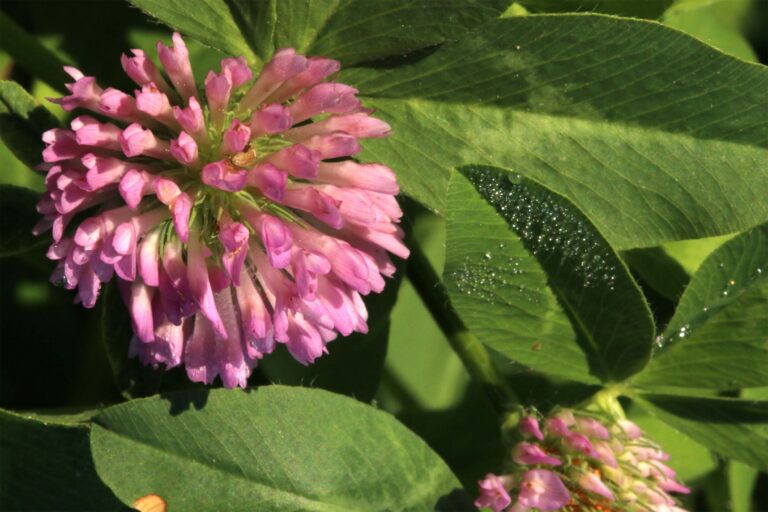
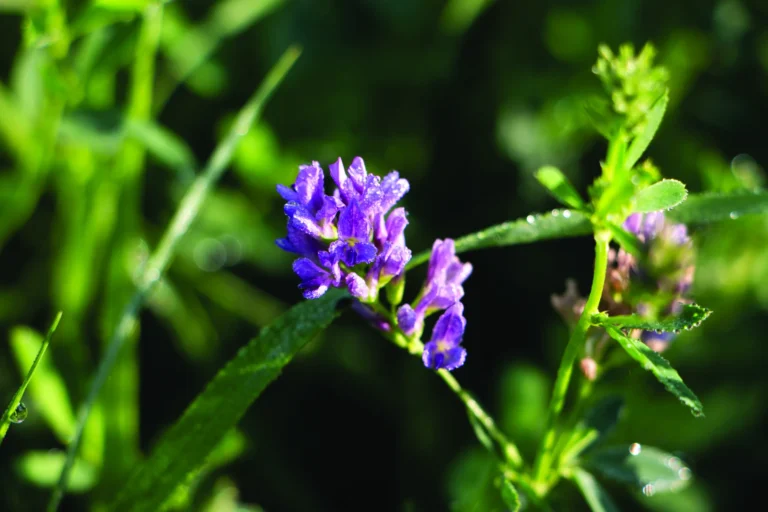
Red Clover (Trifolium pratense): used in traditional herbal medicine as an alterative and tonic, red clover is a deeply nourishing plant rich in vitamins and minerals. As a source of isoflavones that modulate estrogen, red clover is a popular remedy for supporting hormone balance and detoxification.
Key Nutrients
Percentages shown as %DV per serving of 5g red clover powder
Key Phytonutrients
Chlorophyll
Green pigment in plants with anti-inflammatory, antioxidant, and anti-bacterial activity
Chlorophyll (1150 mcg/g)**
Phytosterols
Compounds that help reduce the absorption of cholesterol in the gut
Carotenoids
Antioxidants with anti-cancer potential; may lower risk of macular degeneration
Lutein (99.7 mcg/g)**
Zeaxanthin (9.28 mcg/g)**
Beta-carotene (22.1 mcg/g)**
Isoflavones
Phytoestrogens are phenolic compounds that can exert mild estrogen-like activity in the body. Isoflavones—such as those found in red clover—are a well-studied class of phytoestrogens associated with support for metabolic and neuroprotective health. Red clover isoflavones may also support bone density and help manage symptoms in peri- and postmenopausal women.
Total Phenolic Content
The isoflavones and phenolic acids found in red clover are responsible for the phytoestrogenic and antioxidant benefits the plant is well known for.
Total Phenolics 15.2mg/g**
*Data is mean values from Phenol-Explorer Database1
**Data on file with WholisticMatters. Values subject to change based on strain and experimental methods
Did you know WholisticMatters is powered by Standard Process? Learn more about Standard Process’ whole food-based nutrition philosophy.
Learn More
Read Article
Mountain Spinach: Whole Food Profile
WholisticMatters
(5 min read)
Mountain Spinach (Atriplex hortensis) is the vibrant, red-hued cousin of the more common green spinach. Mineral-dense and electrolyte-rich, mountain spinach is an excellent source of numerous nutrients, particularly chromium. It is valued in traditional medicine as a spring tonic, gently stimulating the metabolism and nourishing the nervous system.
Key Nutrients
Percentages shown as %DV per serving of 5g mountain spinach powder
Key Phytonutrients
Betalains
Red and magenta betalain pigments demonstrating anti-inflammatory and cardioprotective effects
Betacyanins (amaranthins)
Anthocyanidins
Purple and red pigments concentrated in mountain spinach with strong antioxidant and anti-inflammatory activity
Cyanadin-3-Glucoside (110 mcg/g)**
Carotenoids
Antioxidants with anti-cancer potential; may lower risk of macular degeneration
Lutein (138 mcg/g)**
Beta-carotene (26.4 mcg/g)**
Zeaxanthin (6.53 mcg/g)**
Flavonols
Promote antioxidant activity and vascular health
Rutin (320 mcg/g)**
Nitrate
Supports exercise performance and cardiovascular health
33,900 mcg/g**
Total Phenolic Content
Phenolic compounds, including flavoniods and phenolic acids, work synergistically with the vitamins and minerals in mountain spinach to support insulin sensitivity, antioxidant effects and cardiovascular health.
Total Phenolics 13mg/g**
*Data is mean values from Phenol-Explorer Database1
**Data on file with WholisticMatters. Values subject to change based on strain and experimental methods
Did you know WholisticMatters is powered by Standard Process? Learn more about Standard Process’ whole food-based nutrition philosophy.
Learn More
Read Article

Collard Greens: Whole Food Profile
WholisticMatters
(5 min read)
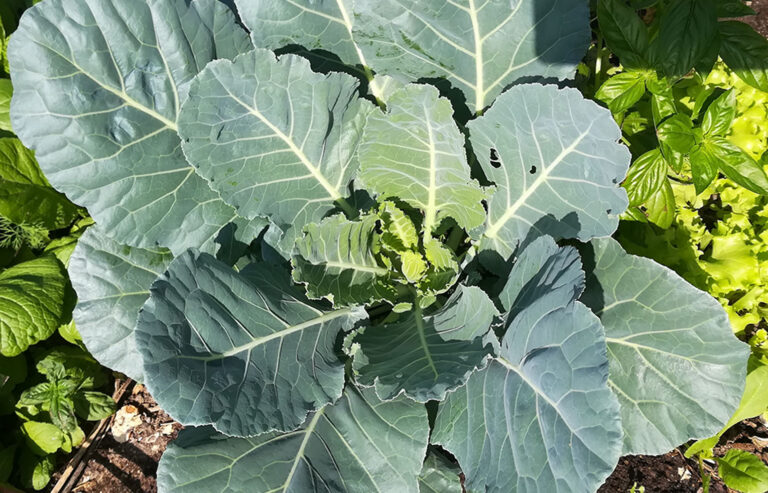
Collard Greens (Brassica oleracea var. viridis), once a common dietary staple, are nutrient-dense powerhouses, full of vitamins, minerals, antioxidants, and fiber that support digestion, immunity and metabolic health. Collard greens are a particularly rich source of dietary folate, a key nutrient for nervous system and reproductive health.
Key Nutrients
Percentages shown as %DV per serving of 5g collard green powder
Key Phytonutrients
Chlorophyll
Green pigment in plants with anti-inflammatory, antioxidant, and anti-bacterial activity
Chlorophyll (1010 mcg/g)**
Lignans
Polyphenolic compounds metabolized by gut bacteria that support antioxidant activity
Carotenoids
Antioxidants with anti-cancer potential; may lower risk of macular degeneration
Lutein (29.9 mcg/g)**
Zeaxanthin (3.36 mcg/g)**
Beta-carotene (2.43 mcg/g)**
Glucosinolates
Sulfur-containing secondary metabolites found in cruciferous vegetables, associated with antioxidant activity such as cardio-protection and liver detoxification support effects.
Total Phenolic Content
The unique blend of phenolic compounds work synergistically with the vitamins and minerals in collard greens to lower cardiovascular risk, support detoxification pathways and improve nervous system function.
Total Phenolics 13.5mg/g**
*Data is mean values from Phenol-Explorer Database1
**Data on file with WholisticMatters. Values subject to change based on strain and experimental methods
Did you know WholisticMatters is powered by Standard Process? Learn more about Standard Process’ whole food-based nutrition philosophy.
Learn More
Read Article
Royal Ancient Oats™: Whole Food Profile
WholisticMatters
(5 min read)
Royal Ancient OatsTM (Avena strigosa) are a unique strain of oats exclusive to Standard Process. Derived from wild ancestral variants, ancient oats are rich in naturally occurring phytonutrients, fiber, and essential minerals. Wild oats demonstrate a higher protein content than their domestic counterparts, and may contribute greater beta-glucan content to support cardiovascular, digestive, and metabolic health.
Key Nutrients
Percentages shown as %DV per 30g Royal Ancient Oat™ Flour powder
Key Phytonutrients
Avenanthromides
Phenolic acids exclusive to oats with strong antioxidant and anti-inflammatory activities, particularly in the cardiovascular and bitter effect
Royal Ancient OatsTM contain from 861% – 1500% more avenanthromides than conventional oats
Avenanthramide A B, and C (158.3 mcg/g)**
Beta-glucan
Supports cardiovascular health, healthy bowel function, metabolic health, healthy cholesterol levels, and increases satiety.
Beta-glucan (42,000 mcg/g)**
Total Phenolic Content
The unique complex of phenolic compounds found in Royal Ancient Oats™, including avenanthromides, contribute to the profound cardiovascular, immune, digestive and metabolic health benefits associated with this specific oat strain.
Total Phenolics 2mg/g**
*Data is mean values from Phenol-Explorer Database1
**Data on file with WholisticMatters. Values subject to change based on strain and experimental methods
Did you know WholisticMatters is powered by Standard Process? Learn more about Standard Process’ whole food-based nutrition philosophy.
Learn More
Read Article

Parsley: Whole Food Profile
WholisticMatters
(5 min read)
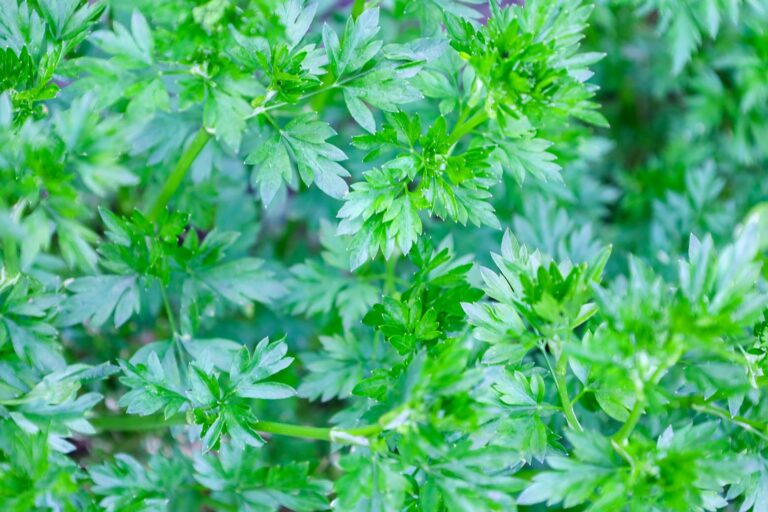
Parsley (Petroselinum crispum) is a cooling, bitter culinary and medicinal herb packed with vitamins, minerals and antioxidants that support the body’s detoxification pathways, immune system and digestive function.
Key Nutrients
Percentages shown as %DV per serving of 5g parsley powder
Key Phytonutrients
Chlorophyll
Green pigment in plants with anti-inflammatory, antioxidant, and anti-bacterial activity
Chlorophyll (1180 mcg/g)**
Carotenoids
Antioxidants with anti-cancer potential and may lower risk of macular degeneration
Lutein (84.4 mcg/g)**
Zeaxanthin (18.5 mcg/g)**
Beta-carotene (5.82 mcg/g)**
Flavones
Phytoactive compounds with anti-inflammatory, anti-microbial, and anti-cancer activity
Apigenin (307.4 mcg/g)*
Furanocoumarins
Phytoactive metabolites with potential antioxidative, anti-proliferative, anti-inflammatory, and bone health promoting effects
Flavonols
Promote antioxidant activity and promote vascular health
Quercetin (6.5 mcg/g)*
Total Phenolic Content
The total phenolic content, including flavonoids like apigenin, parsley promotes digestion, supports vascular health, and enhances detoxification through antioxidant and mild diuretic effects.
Total Phenolics 14.4mg/g**
*Data is mean values from Phenol-Explorer Database1
**Data on file with WholisticMatters. Values subject to change based on strain and experimental methods
Did you know WholisticMatters is powered by Standard Process? Learn more about Standard Process’ whole food-based nutrition philosophy.
Learn More
Read Article
Supporting Canine Cognitive Function: The Aging Dog Brain
Nancy Loes, DVM and Isabella Pulido
(10 min read)
As pets and people age, the accumulation of years is often accompanied by health challenges, both physically and cognitively. A multitude of factors influence the health of the brain and body over a lifetime, including genetics, lifestyle, environment, and nutrition. As dogs grow older, the cumulative effects of oxidative stress, inflammation, and nutritional deficiencies – often compounded by unstimulating or unhealthy environments – can contribute to memory impairment, reduced learning ability, and behavioral changes associated with cognitive decline.
Canine Cognitive Dysfunction Syndrome (CCDS) is a commonly used term describing the behavioral manifestations associated with progressive cognitive decline in the canine patient. Other terms used include: “The Geriatric Condition,” “Sundowning (Sundowner’s Syndrome),” and “Doggie Dementia.”
The acronym DISHAA is often utilized as a tool to help pet owners and veterinary professionals identify the key signs of cognitive decline.6
The letters stand for:
D – Disorientation: Getting lost in what were once familiar places or stuck in corners, staring vacantly, exhibiting less reactive behaviors, and appearing to be puzzled by normal sights and sounds
I – Interactions (altered): Changes in social interactions with family members or other animals, which might include increased neediness, irritability, and/or personality changes
S – Sleep-wake cycle changes: A reversal of sleep-wake cycles, restless sleep and/or waking and wandering aimlessly at night
H – House soiling: A previously well house-trained dog may urinate or defecate in the house and/or exhibit deficits in other “learned” behaviors
A – Activity changes: Altered activity levels, such as a decrease in purposeful activity, disinterest in play, or (commonly noted) an increase in compulsive behaviors like pacing
A – Anxiety: Increased behavioral manifestations of anxiety, fear, and/or stress
Canine Cognitive Dysfunction Syndrome (CCDS)
Pathogenesis
Late stages of CCDS are thought to be caused by the accumulation of beta-amyloid plaques (outside neurons) and tau tangles (inside neurons) in the brain. These aggregates lead to neuroinflammation, neuronal loss, and synaptic dysfunction, all of which are similarly seen in Alzheimer’s disease. In addition to the combination of these mechanisms, synaptic impairment, myelin disruption, and glial cell activation are also thought to play critical roles in CCDS pathogenesis.5
A complex set of variables, signs of which may be subclinical, contribute to the pathogenesis and onset of CCDS, long before a dog reaches its senior years.
Proactive use of nutritional supplementation starting at an early age, particularly aimed at 1) encouraging robust blood flow, 2) promoting strong mitochondrial function and energy production, and 3) supporting healthy inflammatory processes, may attenuate or slow the accumulation of plaques and tangles, mitigate damage to the structure and function of the brain, and thus potentially delay both the onset and the progression of CCDS.
Prevalence and Breed Disposition
Studies suggest an estimated prevalence of 8.1% in dogs ages 8-11 years, 18.8% in ages 11-13, 45.3% in ages 13-15, and 67.3% in ages 15-17 years of age.5 There does not seem to be a breed predilection; however, many of these clinical signs have been more frequently reported in smaller dogs, possibly due to their tendency to live longer than their large-breed counterparts.
Diagnosis of Canine Cognitive Dysfunction Syndrome (CCDS)
The diagnosis of CCDS is based on behavioral signs reported by owners through questionnaires, requiring significant reliance on the pet owner’s ability to successfully identify and recall subtle behavioral changes. Taking recall bias into consideration, compounded with the absence of reliable biomarkers, CCDS is likely underdiagnosed.
Prevention / Management
Since aging is an inevitable process in life, prevention of CCDS focuses on delaying the onset of clinical signs and maintaining adequate quality of life. Because aging encompasses multiple physiological changes, a multimodal approach that combines nutritional and lifestyle modifications offers a comprehensive strategy for forestalling CCDS. Optimizing specific dietary components, such as essential omega fatty acids, B vitamins supportive of cognitive health, herbal support, and trophic nutrients can promote a high quality of life in an aging dog. Supplementation with antioxidant nutrients, energetic cofactors, and specific minerals can address potential nutritional deficiencies.1
Supplement Options to Support Canine Cognitive Function
While more research is needed to substantiate the best supplements for delaying and managing the onset of CCDS, here are a few compounds of interest with documented benefits.
Ginkgo biloba
Ginkgo biloba is an herbal supplement rich in flavonoids and terpenoids. Flavonoids are potent antioxidants that protect brain cells from oxidative stress and free radical damage, damage that is linked to cognitive decline and neurodegenerative conditions. The terpenoid, bilobalide, is noted for its neuroprotective effects and has been shown to protect neurons from damage, promote neuron survival, and support energy metabolism in brain cells.
Other active components of Ginkgo biloba are proanthocyanidins and quercetin, contributing to antioxidative and anti-inflammatory effects.
Forty-two elderly dogs were enrolled in a study evaluating the effectiveness of a Ginkgo biloba dry leaf extract on behavioral disturbances commonly experienced by dogs over the age of 7 years.7
Results were determined by scores assigned to each clinical sign of cognitive decline (disorientation, sleep/activity changes, behavioral changes, general physical condition/vitality).
At a dose of 4 mg/kg for 8 weeks, Ginkgo biloba significantly reduced the severity of the “geriatric condition” in the dogs with a history of behavioral disturbances (p=0.0002).
Although statistical significance was not reached until 8 weeks, there was a noticeable difference in 4 weeks. All signs evaluated were significantly improved by the end of the study and at its conclusion, 36% of the dogs were completely free of the scored clinical signs of cognitive decline.
The combination of multiple bioactives in Ginkgo biloba work synergistically to provide cognitive benefits, such as reducing oxidative damage to brain cells, improving cerebral blood flow, modulating neurotransmitter activity, and protecting neurons from age-related damage.
These effects are believed to be the underpinnings for Ginkgo’s potential to enhance memory, improve cognitive function, and slow down cognitive decline, particularly in aging individuals or those with cognitive impairments.
Panax ginseng root
The Panax ginseng root is rich in active compounds called ginsenosides, which contribute to its wide array of health benefits. Ginseng is often referred to as an adaptogen, a natural substance believed to help the body resist stressors of various kinds, whether physical, chemical, or biological.2
Health benefits from Panax ginseng include boosting energy levels, reducing inflammation, and supporting the immune system. In the brain, ginseng has immunomodulatory and anti-inflammatory properties. Panax ginseng assists in keeping microglia cells (the primary immune cells of the central nervous system that operate as its defense, maintenance, and “clean-up” crews) in a healthy, anti-inflammatory state.
In a healthy state, microglia are highly dynamic, supporting neural circuits and brain function.
As age degeneration occurs, microglial cells (sometimes referred to as phagocytic neurons) may become stuck in a damaging positive feedback loop, inducing harmful cytokines, becoming proinflammatory, and eventually injuring microglial cells as well.
Ginseng can potentially prevent microglial cells from recruiting those harmful cytokines, thus reducing inflammation in the brain and enhancing cell survival.
Coenzyme Q10 (CoQ10)
Coenzyme Q10, also known as ubiquinone/ubiquinol, is a fat-soluble compound that plays a vital role in brain health through a myriad of mechanisms including energy production, antioxidant activity, support for cellular health and the immune system, as well as the regeneration of antioxidants. While found naturally in the body, CoQ10 levels tend to decline with age, which may factor into Alzheimer’s-related mitochondrial dysfunction and the progression of CCDS.
CoQ10’s natural functions in the body, including its role in energy production and antioxidant properties, underscores how important this ingredient is for brain health and why supplementation is of benefit and recommended.
B Vitamins
B vitamins are coenzymes in a multitude of enzymatic processes that underlie almost every aspect of cellular functioning. Additionally, each of these B vitamins play a crucial role in brain health.
Thiamin (B1) is utilized as a neuromodulator in the acetylcholine neurotransmitter system and contributes to cellular membrane structure and function including neuroglia and neurons.3
Niacin (B3) works to modulate inflammatory cascades and participates in the synthesis of neurotransmitters, essential for communications between cells. It assists in the breakdown of fat, protecting against the development of atherosclerosis (hardening of the arteries).
Pantothenic Acid (B5) is the substrate for coenzyme-A which contributes to the structure and function of brain cells through its involvement in cholesterol, amino acid, phospholipid, and fatty acid synthesis.3 It is also involved in the synthesis of steroid hormones and multiple neurotransmitters.
Pyridoxine (B6) is a rate-limiting cofactor in the synthesis of neurotransmitters such as dopamine, serotonin, gamma-aminobutyric acid (GABA), noradrenaline, and melatonin.
Folate (B9) is crucial for DNA synthesis and stability as well as cell division, processes that are critical for cognitive development and function. Folate is recommended during pregnancy to reduce the risk of birth defects of the spine (such as spina bifida, the spinal column doesn’t close properly) and brain (anencephaly, the brain and/or the skull don’t form properly). When there is a folate deficiency, neuronal differentiation and repair may be impacted leading to hippocampal atrophy, demyelination, and compromised phospholipid membranes upsetting the normal flow of nerve impulses.
Cobalamin (B12) protects myelin (the protective sheath around nerves) and is involved in neurotransmitter synthesis (including serotonin and dopamine, neurotransmitters that affect mood, memory, and focus). Along with folate (B9) and pyridoxine (B6), cobalamin (B12) also assists in breaking down homocysteine (high levels of homocysteine are linked to poor cognitive function and increased risk of cognitive decline).
With the simple addition of readily available B Vitamins, aging dogs stand to benefit enormously, physically and neurologically, on multiple fronts.
Beta-glucan
Beta-glucans are structural components in the cell walls of fungi (including mushrooms and yeast), cereal grains (such as oats), and bacteria that are clinically supported to promote immune system and gastrointestinal tract health.
Orally administered beta-(1,3)/(1,6)-glucans cause immunopotentiation, modulating both non-specific and specific immunity.
In a study in healthy dogs, 4 mg/kg mushroom beta-glucans were administered to 30 puppies (15 in treatment group) undergoing vaccination against rabies and canine parvovirus. Significant increases (p <0.001) in phagocytic activity of leukocytes were observed compared to the control group as well as protective titers were achieved earlier and reached higher levels than the control group.9
Organic Lion’s Mane (Hericium erinaceus) mushroom extract: In addition to beta-(1,3)/(1,6)-glucans, Lion’s Mane also contains powerful bioactive compounds such as the diterpenes, hericenones and erinacines.8 These compounds are thought to be responsible for the stimulation of nerve growth factor and brain derived neurotrophic factor, which assist in the prevention of neuronal death as well as the maintenance and repair of neurons.
Alpha-Glyceryl Phosphoryl Choline (Alpha-GPC)
Alpha-Glyceryl Phosphoryl Choline is a choline donor that can provide the choline required to produce an important neurotransmitter, acetylcholine.
Acetylcholine is crucial for energy regulation and utilization, influencing alertness, focus (motivation), and neuromuscular control, all energy-intensive processes.
Acetylcholine is integral to brain metabolism, especially in supporting neurons’ metabolic demands for functions including attention, memory, and learning.
Supplementation with Alpha-GPC allows more choline to reach the brain faster and more efficiently compared to standard supplementation of choline alone.
Both Alzheimer’s disease and CCDS are characterized by cholinergic hypofunction with reduced levels of acetylcholine.5 Alpha-GPC supplementation is recommended towards enhancing production of the acetylcholine needed and used by the brain.
Hawthorn berry (Crataegus species)
This herb has traditionally been used for cardiovascular issues, including congestive heart failure, by aiding in the dilation of the coronary vessels and promoting healthy blood flow. It facilitates dilation of the blood vessels in the brain, encouraging delivery of oxygen and nutrients. Recent studies have shown promising effects on modulating anxiety in animal models.4
Hawthorn (berry) contains antioxidants and flavonoids that protect the brain from oxidative stress and support healthy inflammatory processes.
These modes of action underscore the potential of hawthorn as a natural therapeutic agent in not only cardiovascular health but also towards supporting brain health and cognitive function.
Clinical Takeaways
Canine Cognitive Dysfunction Syndrome can present challenges for both dogs and their families. Fortunately, with an understanding of nutrition and implementation of nutritional supplementation, pet owners have options that may delay the onset of CCDS.
By recognizing the signs of Canine Cognitive Dysfunction Syndrome (CCDS) and intervening early, pet owners can take proactive steps to provide comfort, preserve quality of life, and allow dogs to enjoy more priceless time with their families, cherishing the many benefits of the precious human-animal bond.
Read Article

Color of Food References
WholisticMatters
(0 min read)
The following is a list of references used the Color of Food booklet, created by the Clinical Education Team at Standard Process for WholisticMatters.
Color of Food Booklet References
Mendoza JA, Drewnowski A, Christakis DA. Dietary Energy Density Is Associated With Obesity and the Metabolic Syndrome in U.S. Adults. Diabetes Care. 2007;30(4):974-979. doi:10.2337/dc06-2188
García-Blanco L, de la OV, Santiago S, Pouso A, Martínez-González M, Martín-Calvo N. High consumption of ultra-processed foods is associated with increased risk of micronutrient inadequacy in children: The SENDO project. Eur J Pediatr. Aug 2023;182(8):3537-3547. doi:10.1007/s00431-023-05026-9
Lila, M. A., & Raskin, I. (2005). Health‐related interactions of phytochemicals.Journal of food science, 70(1), R20-R27.
Lila, M. A. (2007). From beans to berries and beyond: Teamwork between plant chemicals for protection of optimal human health. Annals of the New York academy of Sciences, 1114(1), 372-380.
Nicklas, T. A., Drewnowski, A., & O’Neil, C. E. (2014). The nutrient density approach to healthy eating: challenges and opportunities. Public health nutrition, 17(12), 2626-2636.
Wang, X., Ouyang, Y., Liu, J., Zhu, M., Zhao, G., Bao, W., & Hu, F. B. (2014). Fruit and vegetable consumption and mortality from all causes, cardiovascular disease, and cancer: systematic review and dose-response meta-analysis of prospective cohort studies. Bmj, 349.
Monjotin, N., Amiot, M. J., Fleurentin, J., Morel, J. M., & Raynal, S. (2022). Clinical evidence of the benefits of phytonutrients in human healthcare. Nutrients, 14(9), 1712.
Rahman, M. M., Rahaman, M. S., Islam, M. R., Rahman, F., Mithi, F. M., Alqahtani, T., … & Uddin, M. S. (2021). Role of phenolic compounds in human disease: current knowledge and future prospects. Molecules, 27(1), 233.
World Health Organization (WHO, & UNICEF. (2006). Preventing and controlling micronutrient deficiencies in populations affected by an emergency. In Preventing and controlling micronutrient deficiencies in populations affected by an emergency(pp. 2-2).
National Center for Health Statistics (NCHS). 2008. National Health and Nutrition Examination Survey Data 2005-2006. Hyattsville, MD: U.S. Department of Health and Human Services, Centers for Disease Control and Prevention.
National Center for Health Statistics (NCHS). 2007. National Health and Nutrition Examination Survey Data 2003-2004. Hyattsville, MD: U.S. Department of Health and Human Services, Centers for Disease Control and Prevention.
Dietary Guidelines Advisory Committee. 2015. Scientific Report of the 2015 Dietary Guidelines Advisory Committee: Advisory Report to the Secretary of Health and Human Services and the Secretary of Agriculture. U.S. Department of Agriculture, Agricultural Research Service, Washington, DC.
S. Department of Agriculture, Agricultural Research Service, Beltsville Human Nutrition Research Center, Food Surveys Research Group (Beltsville, MD) and U.S. Department of Health and Human Services, Centers for Disease Control and Prevention, National Center for Health Statistics (Hyattsville, MD). What We Eat in America, NHANES 2007-2010.
Bhardwaj, R. L., Parashar, A., Parewa, H. P., & Vyas, L. (2024). An alarming decline in the nutritional quality of foods: The biggest challenge for future generations’ health. Foods, 13(6), 877.
Drewnowski, A. (2009). Defining Nutrient Density: Development and Validation of the Nutrient Rich Foods Index. Journal of the American College of Nutrition, 28(4), 421S-426S. https://doi.org/10.1080/07315724.2009.10718106
Color of Food Color Wheel References
Ma X, Jin Z, Rao Z, Zheng L. Health benefits of anthocyanins against age-related diseases. Front Nutr. 2025;12:1618072. doi:10.3389/fnut.2025.1618072
Khoo HE, Azlan A, Tang ST, Lim SM. Anthocyanidins and anthocyanins: colored pigments as food, pharmaceutical ingredients, and the potential health benefits. Food Nutr Res. 2017;61(1):1361779. doi:10.1080/16546628.2017.1361779
Cappellini F, Marinelli A, Toccaceli M, Tonelli C, Petroni K. Anthocyanins: from mechanisms of regulation in plants to health benefits in foods. Frontiers in Plant Science. 2021;12:748049.
Meng X, Zhou J, Zhao CN, Gan RY, Li HB. Health Benefits and Molecular Mechanisms of Resveratrol: A Narrative Review. Foods. Mar 14 2020;9(3)doi:10.3390/foods9030340
Al-Khayri JM, Mascarenhas R, Harish HM, et al. Stilbenes, a Versatile Class of Natural Metabolites for Inflammation-An Overview. Molecules. Apr 28 2023;28(9)doi:10.3390/molecules28093786
Ye H, Sun J, He L, Ai C, Jin W, Abd El-Aty A. Beneficial effects of proanthocyanidins on skin aging: a review. Frontiers in Nutrition. 2025;12:1650328.
Baldelli S, Lombardo M, D’Amato A, Karav S, Tripodi G, Aiello G. Glucosinolates in Human Health: Metabolic Pathways, Bioavailability, and Potential in Chronic Disease Prevention. Foods. Mar 7 2025;14(6)doi:10.3390/foods14060912
Olayanju JB, Bozic D, Naidoo U, Sadik OA. A Comparative Review of Key Isothiocyanates and Their Health Benefits. Nutrients. Mar 7 2024;16(6)doi:10.3390/nu16060757
Harahap IA, Suliburska J. An overview of dietary isoflavones on bone health: The association between calcium bioavailability and gut microbiota modulation. Materials Today: Proceedings. 2022/01/01/ 2022;63:S368-S372. doi:https://doi.org/10.1016/j.matpr.2022.03.549
Musial C, Kuban-Jankowska A, Gorska-Ponikowska M. Beneficial Properties of Green Tea Catechins. Int J Mol Sci. Mar 4 2020;21(5)doi:10.3390/ijms21051744
Vezza T, Canet F, de Marañón AM, Bañuls C, Rocha M, Víctor VM. Phytosterols: Nutritional Health Players in the Management of Obesity and Its Related Disorders. Antioxidants (Basel). Dec 12 2020;9(12)doi:10.3390/antiox9121266
Lem DW, Davey PG, Gierhart DL, Rosen RB. A Systematic Review of Carotenoids in the Management of Age-Related Macular Degeneration. Antioxidants (Basel). Aug 5 2021;10(8)doi:10.3390/antiox10081255
Eroglu A, Al’Abri IS, Kopec RE, Crook N, Bohn T. Carotenoids and Their Health Benefits as Derived via Their Interactions with Gut Microbiota. Advances in Nutrition. 2023/03/01/ 2023;14(2):238-255. doi:https://doi.org/10.1016/j.advnut.2022.10.007
Bufka J, Vaňková L, Sýkora J, Křížková V. Exploring carotenoids: Metabolism, antioxidants, and impacts on human health. Journal of Functional Foods. 2024/07/01/ 2024;118:106284. doi:https://doi.org/10.1016/j.jff.2024.106284
Tan Q, Chen B, Wu C, Shao T. Exploring the potential nutritional role of bioflavonoids in exercise rehabilitation: a kinematic perspective. Front Nutr. 2023;10:1221800. doi:10.3389/fnut.2023.1221800
Medina-García M, Baeza-Morales A, Martínez-Peinado P, et al. Carotenoids and Their Interaction with the Immune System. Antioxidants (Basel). Sep 12 2025;14(9)doi:10.3390/antiox14091111
Guggenheim AG, Wright KM, Zwickey HL. Immune Modulation From Five Major Mushrooms: Application to Integrative Oncology. Integr Med (Encinitas). Feb 2014;13(1):32-44.
El-Saadony MT, Saad AM, Korma SA, et al. Garlic bioactive substances and their therapeutic applications for improving human health: a comprehensive review. Frontiers in immunology. 2024;15:1277074.
Sánchez-Gloria JL, Arellano-Buendía AS, Juárez-Rojas JG, et al. Cellular Mechanisms Underlying the Cardioprotective Role of Allicin on Cardiovascular Diseases. Int J Mol Sci. Aug 13 2022;23(16)doi:10.3390/ijms23169082
Rai SN, Mishra D, Singh P, Vamanu E, Singh MP. Therapeutic applications of mushrooms and their biomolecules along with a glimpse of in silico approach in neurodegenerative diseases. Biomedicine & Pharmacotherapy. 2021/05/01/ 2021;137:111377. doi:https://doi.org/10.1016/j.biopha.2021.111377
Chugh RM, Mittal P, Mp N, et al. Fungal Mushrooms: A Natural Compound With Therapeutic Applications. Front Pharmacol. 2022;13:925387. doi:10.3389/fphar.2022.925387
Plant Profile References
Mountain Spinach
Clifford, T., et al., The potential benefits of red beetroot supplementation in health and disease. Nutrients, 2015. 7(4): p. 2801-2822.
Rothwell, J.A., et al., Phenol-Explorer 3.0: a major update of the Phenol-Explorer database to incorporate data on the effects of food processing on polyphenol content. Database, 2013. 2013: p. bat070-bat070.
Collard Greens
Clifford, T., et al., The potential benefits of red beetroot supplementation in health and disease. Nutrients, 2015. 7(4): p. 2801-2822.
Rothwell, J.A., et al., Phenol-Explorer 3.0: a major update of the Phenol-Explorer database to incorporate data on the effects of food processing on polyphenol content. Database, 2013. 2013: p. bat070-bat070.
Royal Ancient Oats TM Flour
Clifford, T., et al., The potential benefits of red beetroot supplementation in health and disease. Nutrients, 2015. 7(4): p. 2801-2822.
Rothwell, J.A., et al., Phenol-Explorer 3.0: a major update of the Phenol-Explorer database to incorporate data on the effects of food processing on polyphenol content. Database, 2013. 2013: p. bat070-bat070.
Alfalfa
Bora, K.S. and A. Sharma, Phytochemical and pharmacological potential of Medicago sativa: a review. Pharm Biol, 2011. 49(2): p. 211-20.
Rafinska, K., et al., Medicago sativa as a source of secondary metabolites for agriculture and pharmaceutical industry. Phytochemistry Letters, 2017. 20: p. 520-539.
Rothwell, J.A., et al., Phenol-Explorer 3.0: a major update of the Phenol-Explorer database to incorporate data on the effects of food processing on polyphenol content. Database, 2013. 2013: p. bat070-bat070.
Stochmal, A., et al., Alfalfa (Medicago sativa L.) Flavonoids. 1. Apigenin and Luteolin Glycosides from Aerial Parts. Journal of Agricultural and Food Chemistry, 2001. 49(2): p. 753-758.
Barley Grass
Rothwell, J.A., et al., Phenol-Explorer 3.0: a major update of the Phenol-Explorer database to incorporate data on the effects of food processing on polyphenol content. Database, 2013. 2013: p. bat070-bat070.
Kim, H., H.-D. Hong, and K.-S. Shin, Structure elucidation of an immunostimulatory arabinoxylan-type polysaccharide prepared from young barley leaves (Hordeum vulgare L.). Carbohydrate polymers, 2017. 157: p. 282-293.
Byun, A.R., et al., Effects of a Dietary Supplement with Barley Sprout Extract on Blood Cholesterol Metabolism. Evidence-Based Complementary and Alternative Medicine, 2015. 2015: p. 7.
Benedet, J.A., H. Umeda, and T. Shibamoto, Antioxidant activity of flavonoids isolated from young green barley leaves toward biological lipid samples. Journal of agricultural and food chemistry, 2007. 55(14): p. 5499-5504.
Beetroot
Clifford, T., et al., The potential benefits of red beetroot supplementation in health and disease. Nutrients, 2015. 7(4): p. 2801-2822.
Rothwell, J.A., et al., Phenol-Explorer 3.0: a major update of the Phenol-Explorer database to incorporate data on the effects of food processing on polyphenol content. Database, 2013. 2013: p. bat070-bat070.
Brussels Sprouts
Rothwell, J.A., et al., Phenol-Explorer 3.0: a major update of the Phenol-Explorer database to incorporate data on the effects of food processing on polyphenol content. Database, 2013. 2013: p. bat070-bat070.
Buckwheat
Rothwell, J.A., et al., Phenol-Explorer 3.0: a major update of the Phenol-Explorer database to incorporate data on the effects of food processing on polyphenol content. Database, 2013. 2013: p. bat070-bat070.
Kale
Rothwell, J.A., et al., Phenol-Explorer 3.0: a major update of the Phenol-Explorer database to incorporate data on the effects of food processing on polyphenol content. Database, 2013. 2013: p. bat070-bat070.
Kidney Beans
Lloyd CM, Marsland BJ. Lung Homeostasis: Influence of Age, Microbes, and the Immune System. Immunity. 2017;46(4):549-61. doi: https://doi.org/10.1016/j.immuni.2017.04.005.
Ramabulana, T., Mavunda, R. D., Steenkamp, P. A., Piater, L. A., Dubery, I. A., & Madala, N. E. (2015). Secondary metabolite perturbations in Phaseolus vulgaris leaves due to gamma radiation. Plant Physiology and Biochemistry, 97, 287-295. doi:https://doi.org/10.1016/j.plaphy.2015.10.018
Rothwell, J.A., et al., Phenol-Explorer 3.0: a major update of the Phenol-Explorer database to incorporate data on the effects of food processing on polyphenol content.
Database, 2013. 2013: p. bat070-bat070.
Red Clover
Clifford, T., et al., The potential benefits of red beetroot supplementation in health and disease. Nutrients, 2015. 7(4): p. 2801-2822.
Rothwell, J.A., et al., Phenol-Explorer 3.0: a major update of the Phenol-Explorer database to incorporate data on the effects of food processing on polyphenol content. Database, 2013. 2013: p. bat070-bat070.
Peavine
Jin, A., Ozga, J. A., Lopes-Lutz, D., Schieber, A., & Reinecke, D. M. (2012). Characterization of proanthocyanidins in pea (Pisum sativum L.), lentil (Lens culinaris L.), and faba bean (Vicia faba L.) seeds.
Food Research International, 46(2), 528-535. doi:https://doi.org/10.1016/j.foodres.2011.11.018
Neugart, S., Rohn, S., & Schreiner, M. (2015). Identification of complex, naturally occurring flavonoid glycosides in Vicia faba and Pisum sativum leaves by HPLC-DAD-ESI-MSn and the genotypic effect on their flavonoid profile. Food Research International, 76, 114- 121. doi:https://doi.org/10.1016/j.foodres.2015.02.021
Reim, V., & Rohn, S. (2015). Characterization of saponins in peas (Pisum sativum L.) by HPTLC coupled to mass spectrometry and a hemolysis assay. Food Research International, 76, 3-10. doi:https://doi.org/10.1016/j.foodres.2014.06.043
Rothwell, J.A., et al., Phenol-Explorer 3.0: a major update of the Phenol-Explorer database to incorporate data on the effects of food processing on polyphenol content.
Database, 2013. 2013: p. bat070-bat070.
Spanish Black Radish
Janjua, S. and M. Shahid, Phytochemical analysis and in vitro antibacterial activity of root peel extract of Raphanus sativus L. var niger. Advancement in Medicinal Plant Research, 2013. 1(1): p. 1-7.
Rothwell, J.A., et al., Phenol-Explorer 3.0: a major update of the Phenol-Explorer database to incorporate data on the effects of food processing on polyphenol content. Database, 2013. 2013: p. bat070-bat070.
Swiss Chard
Kugler, F., F.C. Stintzing, and R. Carle, Identification of betalains from petioles of differently colored Swiss chard (Beta vulgaris L. ssp. Cicla [L.] Alef. Cv. Bright Lights) by high-performance liquid chromatography – electrospray ionization mass spectrometry. Journal of Agricultural and Food Chemistry, 2004. 52(10): p. 2975-2981.
Rothwell, J.A., et al., Phenol-Explorer 3.0: a major update of the Phenol-Explorer database to incorporate data on the effects of food processing on polyphenol content. Database, 2013. 2013: p. bat070-bat070.
Turnip Greens
Rothwell, J.A., et al., Phenol-Explorer 3.0: a major update of the Phenol-Explorer database to incorporate data on the effects of food processing on polyphenol content. Database, 2013. 2013: p. bat070-bat070.
Parsley
Clifford, T., et al., The potential benefits of red beetroot supplementation in health and disease. Nutrients, 2015. 7(4): p. 2801-2822.
Rothwell, J.A., et al., Phenol-Explorer 3.0: a major update of the Phenol-Explorer database to incorporate data on the effects of food processing on polyphenol content. Database, 2013. 2013: p. bat070-bat070.
Data is mean values from Phenol-Explorer Database1 ** Data on file with WholisticMattersValues subject to change based on strain and experimental methods
Did you know WholisticMatters is powered by Standard Process? Learn more about Standard Process’ whole food-based nutrition philosophy.
Learn More
Read Article
Digestive Remedies to Manage Hypochlorhydria
Megan Martell, MSc
(10 min read)
Root Cause of Common Digestive Complaints
Common digestive issues such as heartburn/acid reflux, bloating, gas, indigestion, and nutrient-specific deficiencies occur if digestion is somehow altered or otherwise impaired. Many believe this is related to high levels or excessive production of stomach acid, or hyperchlorhydria, and take over-the-counter antacids or prescription Proton Pump Inhibitors (PPIs) to suppress the acid and alleviate some of these signs and symptoms.1
When this normally acidic environment is suppressed, or buffered, to a higher pH, gaseous acid bubbles are formed, creating the feeling of gas pressure, bloating, upset stomach, or the need to belch. Furthermore, if these bubbles come in contact with the esophagus, it may be experienced as acid reflux and/or heartburn. Rather than an over-production of stomach acid, these signs and symptoms are indicative of insufficient stomach acid, or hypochlorhydria.2
Hypochlorhydria: Insufficient Stomach Acid
Hypochlorhydria has been linked to chronic inflammation of the stomach, chronic stress, H. Pylori infection, gastritis, pancreatitis, obesity, gastric-bypass surgery, as well as different autoimmune diseases, alcoholism, cirrhosis, hypertension, chronic over-use of antacids or PPIs, and aging.2,3 Regardless of the etiology, the resulting effect is the same – the stomach-acid producing and secreting cells atrophy and die off.1,2
With excessive suppression of the stomach acid, the resiliency and functionality of the stomach, digestive system, and immune system are compromised. For example, when stomach acid is suppressed, the first line of defense against stealth pathogens is disrupted and the stomach becomes more susceptible to infectious bacteria like H. Pylori. This often snowballs and leads to chronic inflammation of the stomach, or gastritis, as well as stomach ulcers, SIBO, and other bacterial overgrowths.4
Additionally, studies show the stomach operates at an optimal pH range of 1.0-2.0, while hypochlorhydria would present with a resting pH of >3.0, and regular use of antacids and PPIs have demonstrated a resting stomach pH 5.0-7.0.4 Therefore, the stomach requires more acid to lower the pH into optimal operating range so to better facilitate digestion, nutrient absorption, and general immune health.4,5
Digestion of Protein
As digestion is the physical and chemical alteration of ingested food into smaller, more soluble particles, it is required to facilitate proper nutrient absorption. The stomach in particular is responsible for the digestion of protein such as eggs, meat, dairy, legumes, nuts, and seeds. When protein reaches the stomach, specific cells- called parietal cells, secrete stomach acid, or HCl, to support digestion.
With optimal levels of stomach acid, the lowered pH denatures or unfolds the complex 3D structure of protein into a single, long protein chain, allowing for easier cleavage into short protein chains called polypeptides or single protein building blocks- amino acids.1,4,6 This happens optimally at a pH around 1.8-3.5, is especially useful for the digestion of muscle tissue and other collagen containing meat components, and is rendered inert at a higher, more alkaline pH.7 Without proper acidic conditions and without proper denaturation of the proteins, the protein molecules may not be small enough to be absorbed by the intestines, which in turn may contribute to food allergies, protein deficiency, impaired protein and DNA synthesis, and micronutrient deficiencies – specifically iron, zinc, and B12, which are largely obtained from animal sources.4
Protein-Specific Digestive Enzymes
The acidic conditions are also needed to activate the protein-specific digestive enzymes such as pepsin, which is responsible for a majority of the protein cleaving action.4 Additionally, stomach acid and other gastric secretions further facilitate the solubility, and absorption, of additional micronutrients such as vitamin C, E, B6, B12, folic acid, iron, calcium, magnesium, zinc, and copper through various, often complex, mechanisms.1,8,9
As an acidic environment is necessary for the absorption of such micronutrients, the occurrence of nutrient deficiencies is highly correlated with the occurrence of hypochlorhydria and may present as poor skin/hair/nails and slow wound healing, waning of the eyes, heart, or memory, chronic fatigue, chronic inflammation, muscle cramps/spasms, tingling in limbs, high blood pressure, and a high risk of bone fracture.1,2,4,8,9 Furthermore, if food isn’t properly digested, this may lead to, or further exacerbate, lower GI and/or elimination issues.2,10
Testing for Hypochlorhydria
As the signs and symptoms of hypochlorhydria are similar to hyperchlorhydria, the best way to tell if additional stomach acid is needed is to test for it. While there are a handful of specialized tests that a Gastroenterologist can order to test pH, secretion levels, etc, there is a quick at-home test as well. Per the Cleveland Clinic:
“Drink half a glass (4 ounces) of cold water combined with a quarter teaspoon (1/4 tsp) of baking soda, on an empty stomach.”
The baking soda will combine with the resting level of stomach acid and produce carbon dioxide, or gas bubbles. The gas bubbles will induce burping, if a burp surfaces within 3-5 minutes, then the stomach is sufficiently acidic. If it takes longer than 5 minutes, stomach acid is low and likely requires reacidification support.2 More sophisticated testing would be appropriate if there are any suspected nutrient deficiencies, food allergies, or other bacterial overgrowths.
Digestive Remedies and Interventions to Aid in Stomach Reacidification
Additionally, if stomach acid is determined to be low, there are simple interventions that would help support stomach reacidification and digestion, these include:
Sucking on or eating something sour before meals
Eating protein components of the meal first
Again, the arrival of protein in the stomach naturally triggers the secretion of stomach acid
Chewing thoroughly
This creates more surface area and further supports protein unfoldment
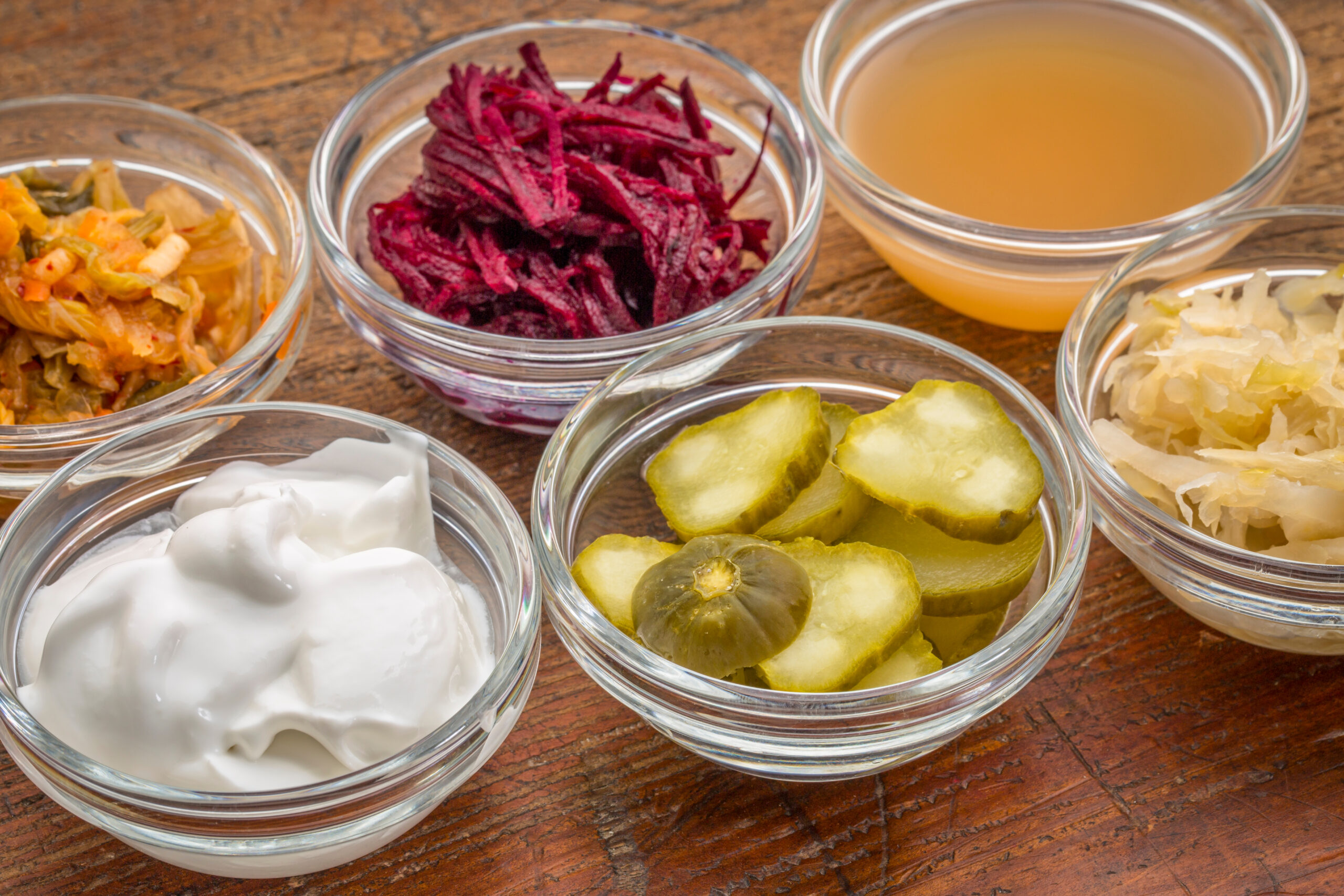
Eating fermented foods
That support a comprehensive and healthy microbial environment
Drinking fluids later in the meal
This allows time for the acid to work without being buffered or diluted
Acid replacement therapy or supplementation with betaine HCl
Supplementation with Betaine HCl
Studies have shown betaine HCl to have a relatively immediate effect on stomach reacidification, within 10 minutes of ingestion. The effect has been demonstrated to last around 75 minutes, which provides ample time for specific micronutrients and pH-dependent drugs to become more soluble for absorption.5 Additionally, studies have also shown that the body’s natural response to certain physiological cues decrease with age, so the elderly population may benefit from taking betaine HCl before a meal to preemptively acidify the stomach where the body’s natural response system may be slow to action and limit digestion.4
Pepsin Supplementation
To further facilitate the digestion of protein, additional supplementation of the stomach-specific enzyme pepsin, which is activated by acidic conditions, may also be warranted as it contributes to specific peptide cleavage, where these cleaved amino acids trigger other essential digestive activities, and further promotes nutrient absorption.2,11 In fact, the signaling activities of pepsin are thought to be more critical to digestion than its protein cleaving action as it triggers other digestive secretions, hormone signaling, and proper gastric emptying. Furthermore, pepsin itself has been shown to alleviate dyspeptic, or stomach acid, imbalances and is widely used in combination with betaine HCl to correct hypochlorhydria.11 However, a strong acidic environment and other beneficial stomach enzymes are still not enough to completely digest protein or the shorter polypeptide chains. As protein accounts for around 10% of our caloric intake and is needed for wound repair, tissue healing, growth and development, energy, and DNA synthesis, our body needs additional support to be able to absorb these protein-specific nutrients and amino acids in totality.7
Digestive Enzymes Secreted by the Pancreas
After the contents are released from the stomach into the first part of the small intestine, or the duodenum, the pancreas first secretes bicarbonate to buffer the acidified stomach contents. The pancreas then secretes additional digestive enzymes, which are only effective in a more buffered, or basic, solution. Of the digestive enzymes secreted, 80% are proteases, or enzymes such as pancreatin that will specifically assist the digestion of protein. The additional 20% of the pancreatic digestive enzymes support the digestion of the other macronutrients – carbohydrates and fat. 7,12
Pancreatin
Pancreatin, in particular, finishes the hydrolysis process by fully transforming the bulky protein molecule, or peptide chain, into single amino acids and further promotes total macronutrient absorption .7 Without this major component of enzymes, protein goes largely undigested, the other macronutrients go unabsorbed, tissue growth and repair is inhibited, and nutrient deficiencies are common.12 Therefore, additional digestive enzyme supplementation may also be supportive if signs and symptoms, such as fatigue, slow wound healing, nerve/muscle pain, frailty and/or other bone-related concerns, are present independently or in combination with other GI concerns.
Clinical Takeaways
Digestive concerns, such as acid reflux, heartburn, gas, bloating, and belching, are synonymous with dyspepsia and assessing stomach acid levels may be worthwhile to better facilitate and improve (protein) digestion, and ultimately, absorption.
If testing confirms hypochlorhydria, supplementing with betaine HCl would be beneficial to promote stomach reacidification and digestion.
Digestive remedies such as betaine HCl, further fortified with pepsin and pancreatin, would then support a highly acidic environment, appropriate and healthy digestive signaling, nutrient absorption, and immune health, while addressing and alleviating other common digestive symptoms, malabsorption, and nutrient deficiencies.
Did you know WholisticMatters is powered by Standard Process? Learn more about Standard Process’ whole food-based nutrition philosophy.
Learn More
Read Article


Explore Our Complimentary Continuing Education
Expand your expertise and support your professional status with our CE-accredited courses. We recognize the importance of staying up to date with your credential requirements and the latest in research and clinical care techniques.

Herbal Glossary
Find detailed information on various herbs, their benefits, and how to effectively incorporate them into patient care.