Managing MCAS: A Whole Body Natural Approach
Mast Cell Activation, or MCAS, is one of the newest diagnoses to enter clinical conversation. It was first acknowledged as a condition in 2010, with diagnostic criteria officially established in 2012. Though still widely under-diagnosed, MCAS is a condition pertaining to the over-reactiveness or over-excitability of the Mast Cells, normally involved in healthy immune regulation.
What is Mast Cell Activation?
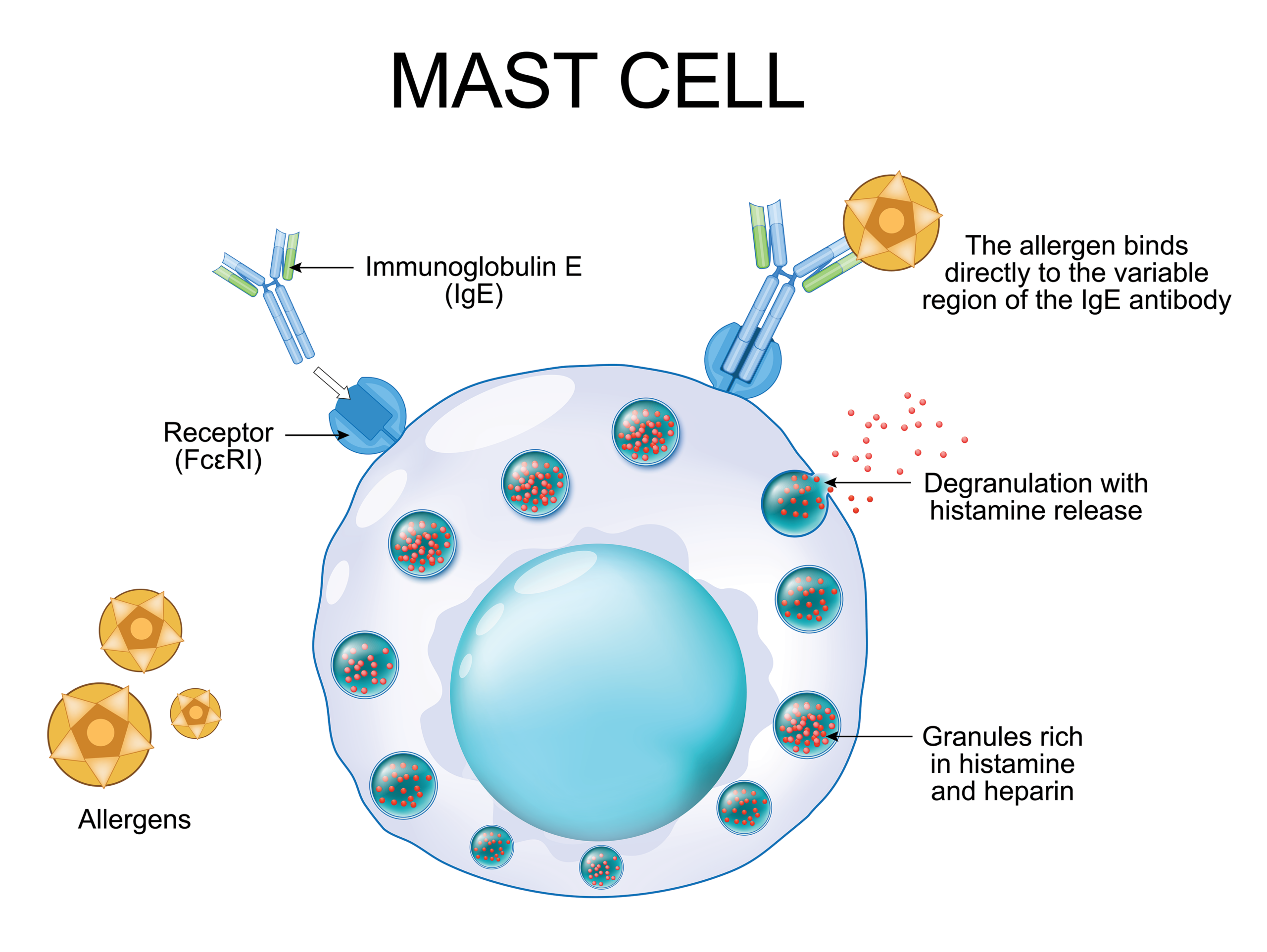
Mast cells are multifunctional, multimodal cells involved in inflammatory and immune responses. These specialized cells have high affinity receptors (or FcεRI) specific to IgE antibodies, which are attributed to anaphylactic and allergic-type responses. When the mast cell’s surface receptors make contact with an allergen and cross-link, the cell undergoes rapid degranulation, or an abrupt release of immune signaling mediators such as histamines, leukotrienes, and cytokines.
Mast cell activation (MCA) occurs when the rapid degranulation and release of these chemical messengers, which regulate local defense and homeostasis, then trigger an allergic and/or anaphylactic response.1
What Causes Mast Cell Activation Syndrome?
The over-excitement of these mast cells, causing these immediate, potentially life-threatening responses, may be due to different factors such as pre-existing conditions, the number and type of receptors involved, the kind of signaling molecules engaged, and genetic predisposition. The severity of the reaction may then be attributed to the number of mast cells involved, the amount of IgE allergens present, an over-reactive organ system, a pre-existing condition, as well as various lifestyle factors such as smoking, alcohol, and drugs.1
Clinically Documenting Mast Cell Activation Syndrome
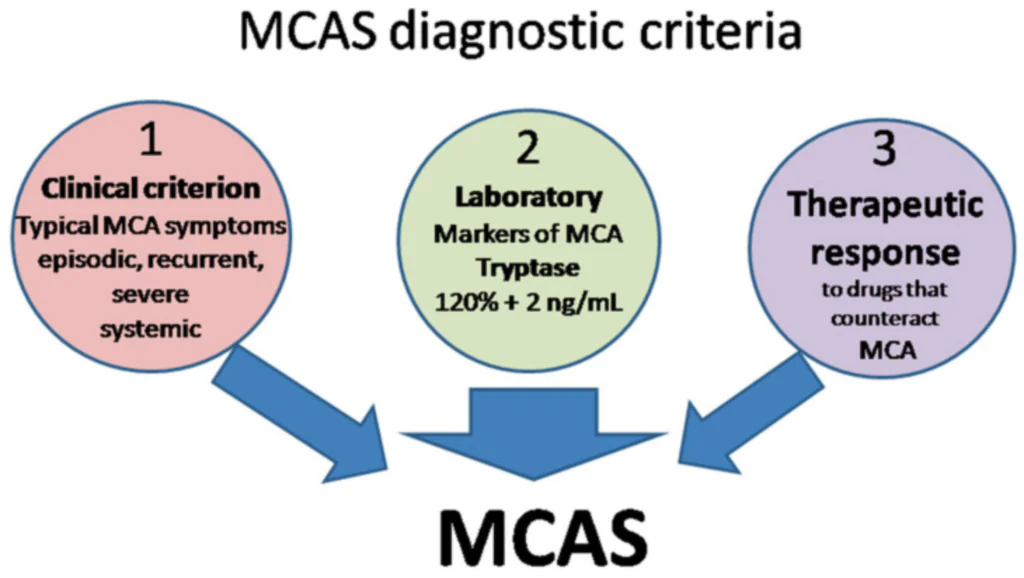
Mast cell activation (MCA) is well documented to occur in several pathological and physiological conditions where, in extreme situations, acute activation can trigger systemic anaphylaxis. If the reaction is severe and MCA has been documented, this may lead to a diagnosis of Mast Cell Activation Syndrome (MCAS). Confirmation of a diagnosis requires the following:
- Clinical presentation of MCA such as anaphylaxis or skin lesions
- Biochemical analysis confirming the involvement of the mast cells, specifically tryptase in excess of 120% + 2ng/mL
- Symptoms subside following administration of mast cell stabilizing drugs.1
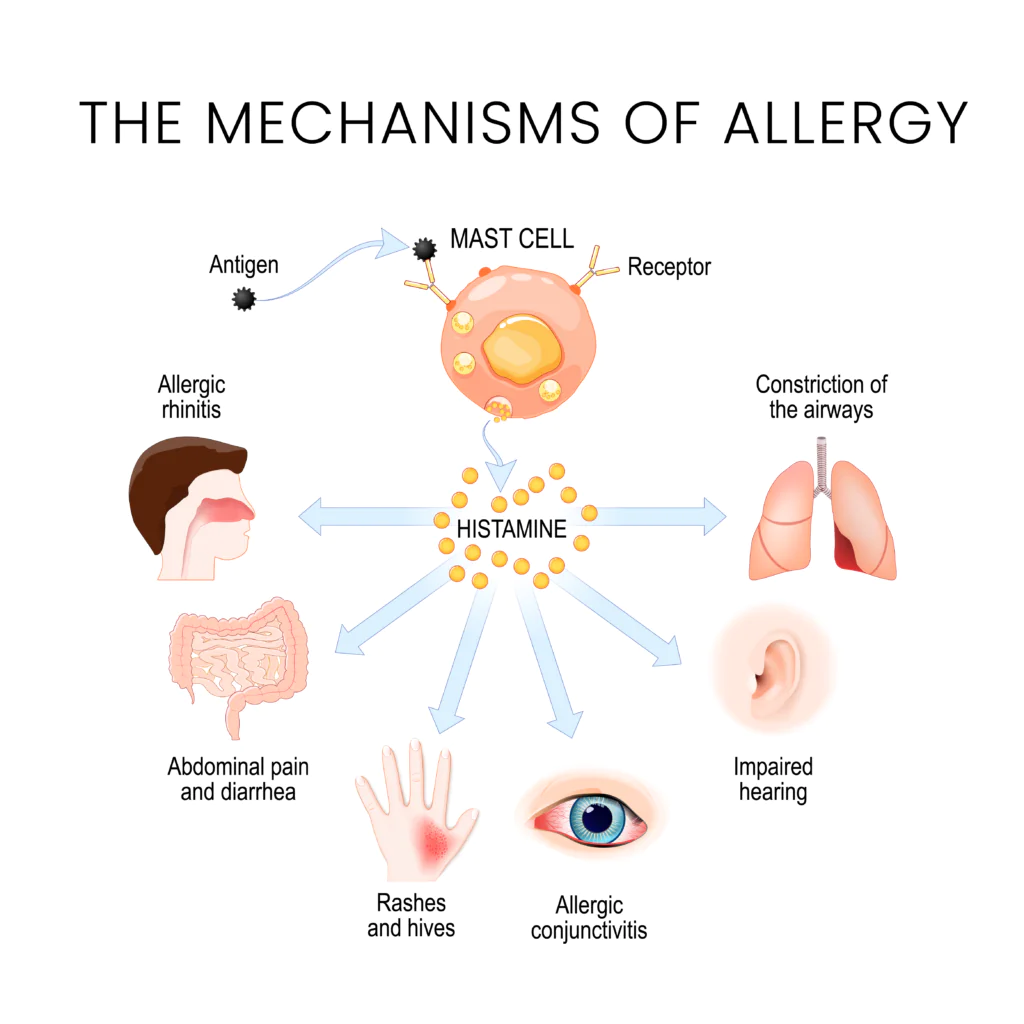
Signs and symptoms of MCAS mirror that of other conditions such as IBS, POTS, Rheumatoid Arthritis, Lupis, MS, chronic anxiety/depression, neuropathy, and insomnia. Those with MCAS often experience multiple symptomologies involving numerous organ systems. Typical symptoms may include acute urticaria or hives, flushing or redness, light-headedness, tachycardia or quickened heart rate, abdominal cramping, and diarrhea. Chronic and/or less severe symptomology is also common and includes headache, nausea, and non-specific gastrointestinal issues. More commonly, it presents as a specific localized issue. Regardless, presentation may vary considerably from one individual to the next.1
The pathology of Mast Cell Activation is not due to the over proliferation of cells, but rather the overly reactive, abnormal activation of these cells. This abnormal response may be due to an altered activation threshold, a mutated gene, or abnormal expression of IgE receptors and/or allergic mediators. Again this varies from person to person, though it is often triggered by a non-descript antigen.3 Diagnostic criteria, however, are quite hard to meet so many instances of MCAS are unaccounted for or remain un-diagnosed.
Skin-specific Mast Cells
The skin is the most mast cell-rich tissue in the body. Normal mast cell function is to protect the host against foreign invaders, facilitate wound healing and tissue remodeling, and maintain both skin homeostasis and the epidermal barrier. Skin-specific mast cells are often aggregated around the nerves and vascular structure, as well as near the hair follicles. Over-activation of these mast cells may then present as flushing, urticaria or hives, keloid scaring, fibrosis, sclerosis, alopecia, chronic inflammation, poor wound healing, profuse sweating, and clotting/bruising issues.2
Mast Cells of the Mucosal Membranes
MCAS often manifests in the other mucosal membranes such as the lungs and gastrointestinal (GI) tract, which are part of the body’s innate immune system. Given the susceptibility of these mucus membranes, MCAS also commonly affects the sensory organs such as the eyes, ears, nose, and mouth. Common complaints of ocular issues often include general irritation such as dry eyes, itchiness, or grittiness, as well as lid tremors and disrupted visual acuity, or the inability to focus on a line of sight.4 Auditory issues vary from individual to individual and are typically more extreme. Such issues include chronic ear infections, tinnitus, and hearing loss likely due to impaired function and inflammation affecting the auditory nerve.4
MCAS Effect on the Nasal Cavity and Sinuses
As host to some of the largest concentrations of mast cells in the body, the nasal cavity and sinuses are often affected. This could manifest as chronic sinus or upper respiratory infection,heavy congestion, intolerance to odors, and heavy nosebleeds. The incidence of nosebleeds is presumably due to the already inhibited coagulation cascade caused by normal mast cell function.4 Oral presentations may include lacerations of the mouth, dental decay, dysgeusia or impaired perception of taste, and pain and/or burning mouth sensation. It may also manifest as laryngitis, a sore/ ‘tickly’ throat, or reflux/esophagitis.4
MCAS Effect on the Lungs
Given the potential for an anaphylactic response, MCAS is also intimately connected to conditions affecting the lungs. In fact, one potent inflammatory mediator released during mast cell degranulation is prostaglandin D2, which is 10x more potent than histamine and elicits a very strong brocho-constrictive effect. Given the susceptibility of the lungs, this may also manifest as chronic dyspnea, shortness of breath, the inability to take a deep breath, or wheezing. Chronic exacerbation of the lung tissue may then further lead to chronic lung infections, emphysema, COPD, and in some cases- pulmonary hypertension.4
Cardiovascular Concerns with MCAS
Cardiovascular issues such as heart palpitations, fluctuating between bradycardia (slow heart rate) and tachycardia (fast heart rate) or feelings of vertigo, chest pain, atherosclerosis, and diagnosis of POTS are common. MCAS may also cause peripheral vascular anomalies such as varicose veins, hemorrhoids, edema, and aneurysms.4
Neuroinflammtory Conditions Correlated with MCAS
While a strong correlation between MCAS and numerous psychological conditions, mood disorders, and neuroinflammatory conditions exists, this makes diagnosis and treatment even more challenging.1
Gastrointestinal Symptoms connected with MCAS
Gastrointestinal (GI) issues are the most experienced symptoms, including food sensitivities, bouts of nausea, and nutrient malabsorption or deficiencies with iron, copper, and certain b-vitamins. Aerophagia, or the frequent swallowing of air, as well as localized inflammation in the GI tract, and alternating diarrhea and constipation have been regularly reported as well.4
Mast cells are largely found in the mucous membranes of the body as part of the innate immune system. A compromised immune system may further lead to increased risk of infection, prolonged infection despite the use of antibiotics, unusual hypersensitivities, impaired senses, impaired healing cascades, and an increased prevalence of autoimmune conditions.4
It has been noted that there is a correlation between MCAS and female hormones, specifically around, during, or after menopause, as well as with the use of HRT. The fluctuation of hormones, primarily estrogen, seems to affect mucosal/skin sensitivity, antigen sensitivity, mast cell reactivity and proliferation, histamine production, and the natural inflammatory response.5
Lifestyle Support for MCAS
While there is no known cure, lifestyle factors combined with herbal and nutritional support may help to mitigate or suppress reoccurring symptoms. Lifestyle changes may include the avoidance of alcohol, cigarettes, muscle relaxers, opioids, and illicit drugs. Avoidance or mitigation of other environmental stressors including emotional stress, drastic changes in temperature, exposure to UV light, and travel is also advised. Additional support may also include supplementing with pre- or probiotics, reducing stress, and improving sleep. Natural components and phytochemicals with mast cell stabilizing properties may also benefit.2
Herbal Support for MCAS
While MCAS elicits highly variable symptomology, the etiology is the same across the board: an over-reactive response leading to excessive mast cell degranulation. Numerous phytochemicals have been identified in supporting and regulating this healthy inflammatory response.
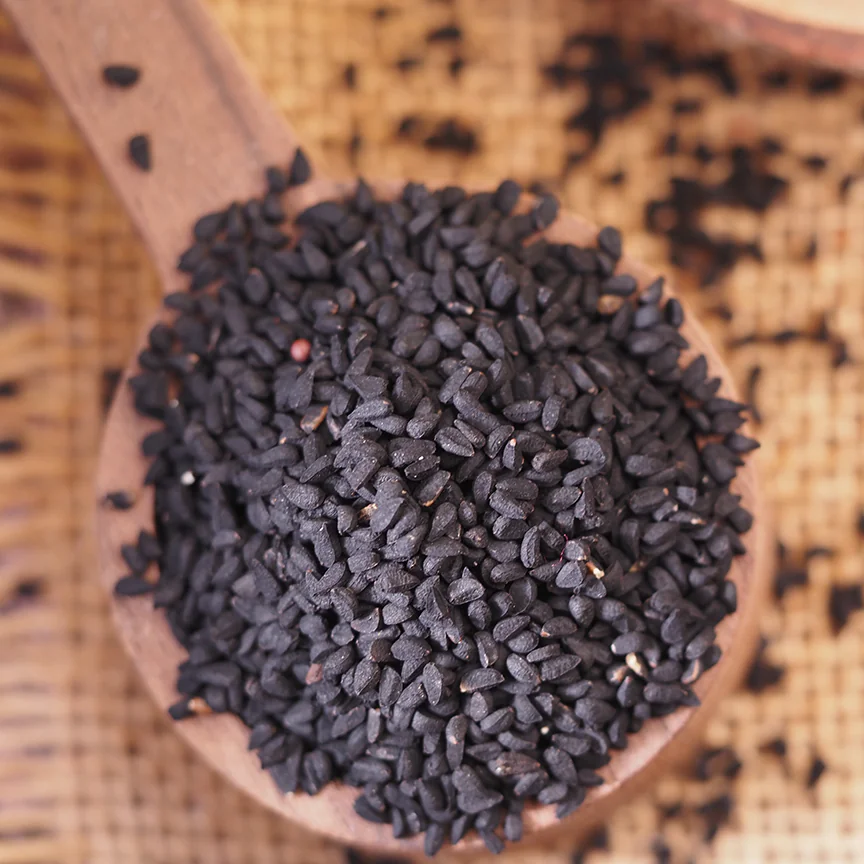
Nigella sativa, or Black Cumin Seed, has been found to have many immune-modulating benefits. Shown in animal studies to decrease those initial pro-inflammatory interleukins and cytokines, it then mitigates that initial over-reactive mast cell response. Black cumin seed decreases the allergic response as seen in the mucous membranes, skin, and GI system.
It also inhibits pro-inflammatory cytokines responsible for the dramatic changes in blood pressure.6 Black Cumin Seed is also attributed to decreasing specific interleukins which over-exacerbate environmental/food sensitivities, and decreases other interleukins attributed to pain, fatigue, lingering infection, and the occurrence of neurological conditions.6
Black Cumin Seed has also been shown to down-regulate the adhesion of these triggering antibodies at the cell receptor, block pro-inflammatory mediators once they have been released from the mast cell, and even alter genetic expression of the mast cells. This both prevents an over-reactive response and the release of histamine, while improving the antioxidative effect and defense at the cellular level.6
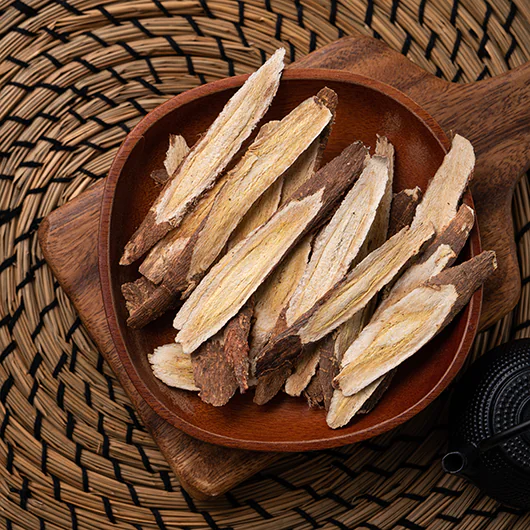
Astragalus membranaceus, or Astragalus, is another such herb with well-studied phytochemicals that also exert potent immune modulating effects. In animal studies, it has been found to promote regulatory T-cells (Treg cells) which suppress mast cell degranulation and thus histamine release. It has also been shown to reduce total antibody count, number of cell receptors, mast cell proliferation, and smooth muscle scarring.
Astragalus has further been found to suppress mast cell sensitivity, and specific interleukins that damage and weaken the innate immune system. It has also been shown to inhibit interleukins pertaining to neuroinflammation and changes in blood pressure and others that are responsible for the anaphylactic constriction of the throat, lungs, and gut.7
Nutritional Support for MCAS
Those with MCAS may want to avoid high-histamine foods like fermented products, aged cheese, and cured meats. Specific nutrients such as Vitamin C, B6, and E, have also been implicated in mast cell activation.
Vitamin C, an essential immune nutrient, suppresses mast cell degranulation and inhibits gene expression responsible for that immediate, localized inflammatory response such as fever, swelling, and redness.8
Vitamin B6 has been shown to inhibit mast cell degranulation, as it has been widely used to address bronchial spasms, asthma, and allergies, particularly in children.9
Vitamin E has a specialized immune function as its chemical structure physically inhibits mast cell degranulation. Vitamin E also modulates the gene expression of mast cells attributed to degranulation, proliferation, and planned cell death. Therefore, deficiency here may also contribute to a weakened immune system, the compromised ability to fight infection, and an over-reactive mast cell response.9
Pre- and Probiotics for Gut Health
The interplay between gut health, mast cells, and immune resilience has been widely recognized and studied, therefore digestive enzymes and pre- and probiotics may also be beneficial here. Probiotics, such as the Lactobacillus and Bifidobacterium species, have been shown to modulate and improve immune function, skin conditions, GI issues, and neurological conditions, as well as protect the mucus membranes and respiratory function.10
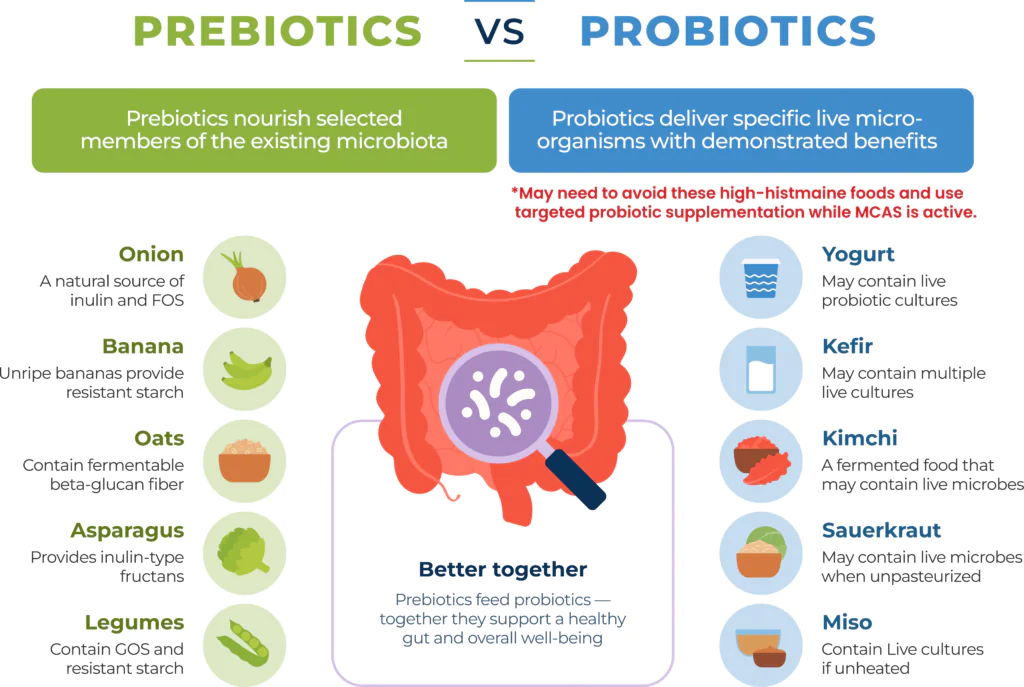
Colon-derived metabolites such as short chain fatty acids (SCFAs) and butyrate, as produced by probiotics and the gut microbiome, as well as prebiotic fibers such as inulin, have been shown to inhibit mast cell proliferation and degranulation, and further attenuate mast cell activation and their genetic expression.11 Additional information on the effects of short-chain fatty acids can be found here: Unlock Gut Health: Benefits of Short-Chain Fatty Acids
Recommended Supplementation for MCAS
Because mast cell activation is widely under-diagnosed, herbal and nutritional support would be advantageous.
Recommended supplementation for for targeted mast cell support:
- Black cumin seed 5:1 extract, preferably utilizing the whole seed component.
- Astragalus root 1:2 extract.
- These would be synergistic together and may help to mitigate an over-reactive mast cell response. They may also support pain management, conditions involving the mucous membranes (the skin, sinuses, lungs, and GI tract) and various neurological and blood pressure concerns attributed to MCAS.
- A multi-vitamin and mineral complex containing Vitamin C, B6, E, iron, and copper, as intended for immune health. Animal glandulars and nucleotide extracts from specific immune tissues such as the thymus, spleen, liver, and bone are an excellent source of additional immune modulating nutrients.
- A supplement comprised of bovine liver fat extract, known as Yakriton by Japanese researchers, a hormone which has been found to detoxify histamine from the blood.12
- A pre- and probiotic containing inulin and a synergistic blend of probiotic microbes including Saccharomyces boulardii, Lactobacillus acidophilus, Lactobacillus paracasei, and Bifidobacterium animalis to help strengthen both the gut integrity and the immune system.
- Digestive enzyme support, specifically with pancreatic enzymes, bromelain, papain, amylase, and lipase to address digestive concerns and relative GI symptomology.4
Key Clinical Takeaways
MCAS is highly complex, individualistic, widely un-diagnosed, and regularly manifests as chronic skin, lung, GI issues, sensory disruptions, neurological conditions, and unexplainable changes in blood pressure.
Lifestyle considerations, such as stress management and the avoidance of high-histamine foods, may help with symptomology. Additionally, proper nutrition with immune-boosting vitamins and minerals such as Vitamins C, B6, and E, as well as iron, zinc, and copper is recommended. Including pancreatic-specific digestive enzymes, prebiotics, and probiotics can also boost immune resilience.
Incorporating herbal support, namely black cumin seed and astragalus, may also be beneficial in modulating mast cell gene expression, down-stream activity, and cell proliferation. Regardless of a formal diagnosis, proper nutrition and herbal support should be considered for overall immune health and resilience.
Did you know WholisticMatters is powered by Standard Process? Learn more about Standard Process’ whole food-based nutrition philosophy.

Supplements for Healthcare Practitioners
Join a community of 60,000+ like-minded healthcare professionals. A relationship with Standard Process offers networking opportunities, and an array of educational resources and tools to help grow your practice.
Learn more
- Valent P, Akin C, Bonadonna P, et al. Proposed Diagnostic Algorithm for Patients with Suspected Mast Cell Activation Syndrome. The Journal of Allergy and Clinical Immunology: In Practice. 2019/04/01;7(4)doi:10.1016/j.jaip.2019.01.006
- Mihele DM, Nistor PA, Bruma G, et al. Mast Cell Activation Syndrome Update—A Dermatological Perspective. Journal of Personalized Medicine 2023, Vol 13, Page 1116. 2023-07-10;13(7)doi:10.3390/jpm13071116
- Özdemir Ö, Kasımoğlu G, Bak A, Sütlüoğlu H, Savaşan S. Mast cell activation syndrome: An up-to-date review of literature. World Journal of Clinical Pediatrics. 2024 Jun 9;13(2)doi:10.5409/wjcp.v13.i2.92813
- Afrin LB. Presentation, diagnosis, and management of mast cell activation syndrome. Mast cells: phenotypic features, biological functions, and role in immunity. 2013:155-231.
- Valerieva E, Vasileva M, Baynova K, et al. Frontiers | Women hormones and hypersensitivity: allergic diseases in menopause. Frontiers in Allergy. 2026/04/08;7doi:10.3389/falgy.2026.1777688
- Rashwan HK, Mahgoub S, Abuelezz NZ, et al. Black Cumin Seed (Nigella sativa) in Inflammatory Disorders: Therapeutic Potential and Promising Molecular Mechanisms. Drugs and Drug Candidates 2023, Vol 2, Pages 516-537. 2023-06-17;2(2)doi:10.3390/ddc2020027
- Štefan MB. Astragalus membranaceus, Nigella sativa, and Perilla frutescens as Immunomodulators—Molecular Mechanisms and Clinical Effectiveness in Allergic Diseases. Current Issues in Molecular Biology. 2024 Aug 17;46(8)doi:10.3390/cimb46080533