Phenolic Compounds: Protective Phytochemicals that Promote Health and Longevity
Through the course of evolution, plants, which are largely immobile, have adapted to protect themselves from invasion, infection, and ultimately- destruction. These specific defenses often come from protective phytochemicals called phenolic compounds. These phenolic compounds have protective effects for both animals and humans, and provide a wide range of biological and pharmacological benefits. This process, known as xenohormesis, occurs when phytochemicals produced by stressed plants activate protective and anti-aging pathways in the organisms that consume them, supporting homeostasis and longevity.1
What is a phenolic compound?
A phenolic compound is a secondary metabolite produced by plants in response to a stressor. These phenolic compounds may help the plant defend against bacteria, parasites, viruses, insects, animals, and other plants, as well as provide protection from environmental stressors such as UV radiation, drought, salinity, and temperature changes.2,3 These phytochemicals are unique in that they are not directly associated with plant growth or development, but are essential to plant survival by providing protection and adaptation mechanisms.3 The compounds are found in virtually every part of the plant from the leaves, stem, root, flowers, to the fruit/berries, skins, and seeds.4 There are over 8,000 recognized phenolic compounds, a broad category which is further subdivided into phenols, phenolic acids, flavonoids, stilbenes, tannins, and lignans.2
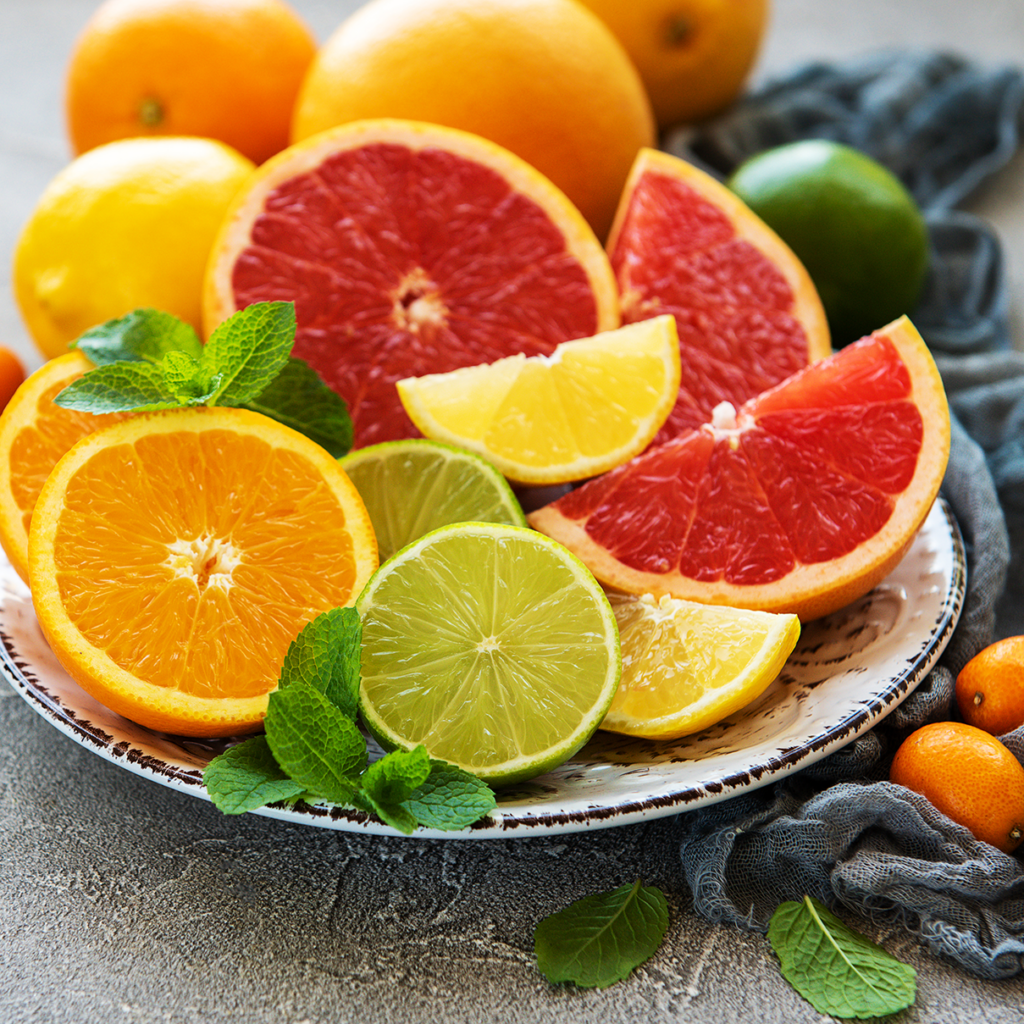
Phenolic compounds were first recognized as being beneficial to human health in the 1930’s when Nobel laureate Albert Szent-Györgyi published a series of studies that determined “Vitamin P”- now known to be a mixture of flavonoids, found in citrus fruit, could strengthen capillary walls. In the 1950’s and 60’s, research on phenolic compounds and their anti-oxidant properties surged. By the 1990’s, various international cohorts were investigating the link between flavonoid intake and the prevalence of chronic disease.6
How does this translate into human health?
Plant constituents have been used by humans for over two millennia to support health and treat disease. Many of these plants and plant components have been well documented by the different traditional etiologies such as Traditional Chinese Medicine (TCM) and Traditional Indian Medicine (Ayurveda).5 With this comes historical evidence of these plant constituents being used for a variety of conditions including digestive issues, mood disorders, arrhythmia and cardiovascular issues, arthritis, urinary issues, allergies, fertility, inflammation and healthy aging.
Cardiovascular Support
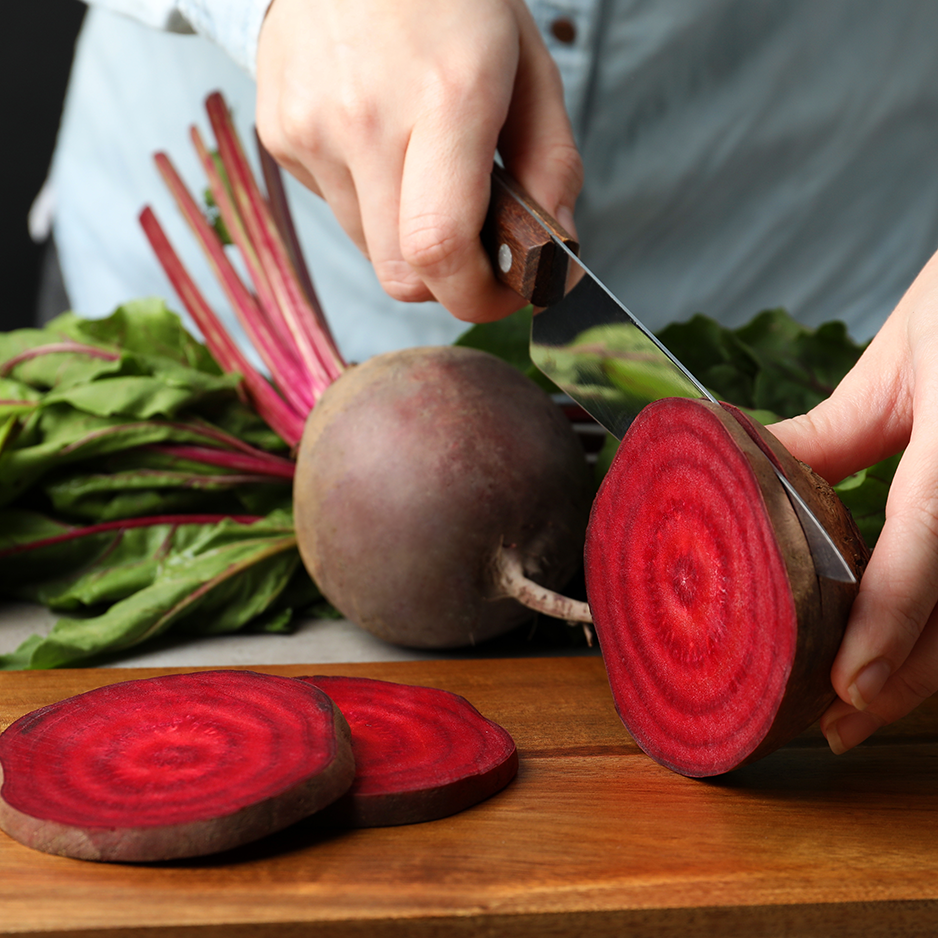
Flavonoids, including flavones, flavan-3-ols, and isoflavones, are one of the largest and most extensively researched classes of phenolic compounds. Flavones and flavan-3-ols, found across alfalfa, barley, buckwheat, beetroot, Brussel sprouts, parsley, tea and chocolate, have been shown to improve endothelial function and arterial pressure, promote vasodilation, reduce blood pressure and cholesterol, inhibit platelet aggregation, and reduce oxidative stress in the cardiovascular system 7-9
Flavonoids in general have a specific endothelial relaxing effect on the arteries and thus have been attributed to the prevention of atherosclerosis, hypertension, and cardiovascular disease.8
Tannins, found in tea, wine, berries, Spanish black radish, herbs, and spices, have a distinguishable attribute in that they are very astringent and leave the mouth feeling dry. They are most notably studied for their antioxidant and free-radical scavenging properties including inhibition of cholesterol oxidation and plaque formation, which elicit a potent cardiovascular-protective effect. Tannins have also been shown to improve cholesterol levels, lower blood pressure, reduce arterial stiffness, and improve overall vascular health.
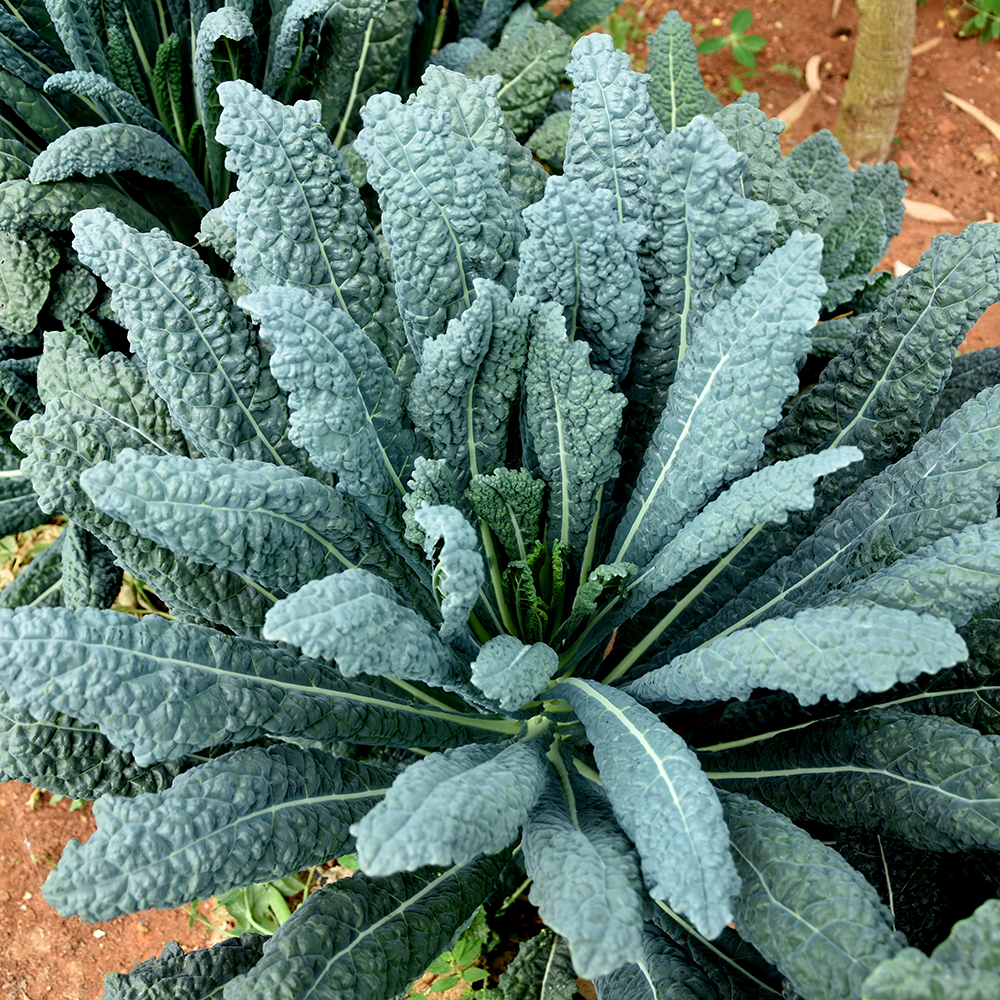
Phenolic acids, found in oats, barley, beetroot, Spanish black radish, kidney beans, and dark leafy greens, are another large grouping of phenolic compounds that elicit direct ROS scavenging activity and act as potent antioxidants– true hallmark traits of phenolic compounds in general. They also exhibit other clinically relevant attributes such as antithrombotic, anti-hypertensive, anti-inflammatory, and cholesterol-specific antioxidative effects.10,11
Neurological Health
Plant constituents and phenolic compounds have also been extensively studied for their interaction with the nervous system. Specific phenolic compounds of interest include phenolic acids and flavonoids. Phenolic acids have been shown to have both neuroprotective and distal nerve-protective properties as well. Caffeic acid and chlorogenic acid have been shown to inhibit acetylcholinesterase (AChE) and butyrylcholinesterase (BChE) activity in the brain- two enzymes that are implicated in the pathogenesis of Alzheimer’s disease. Phenolic acids have also been shown to modulate neuronal signaling, reduce neuronal excitability and brain-specific inflammatory cytokines, as well as protect against neurotoxicity and neuropathy.9
Flavonoids have also been recognized for their effects on brain and cognitive function. Research suggests they may support neurological health in several ways, such as:
- improving memory and cognitive function
- stimulating neuronal and nerve tissue regeneration
- preventing neuronal oxidative damage
- reversing brain-specific inflammaging
- promoting blood flow to the brain9
Specific flavonoids such as rutin, and other flavonoid categories such as anthocyanidins and isoflavones, have been studied extensively for their impact on the nervous system and related tissues, however their mechanism of action is still unclear. For example, it has been suggested that buckwheat, which is very high in specific flavonoids, has an inhibitory effect on neurodegenerative conditions such as Alzheimer’s, although it is not yet clear which flavonoid could be responsible for this effect or how.13
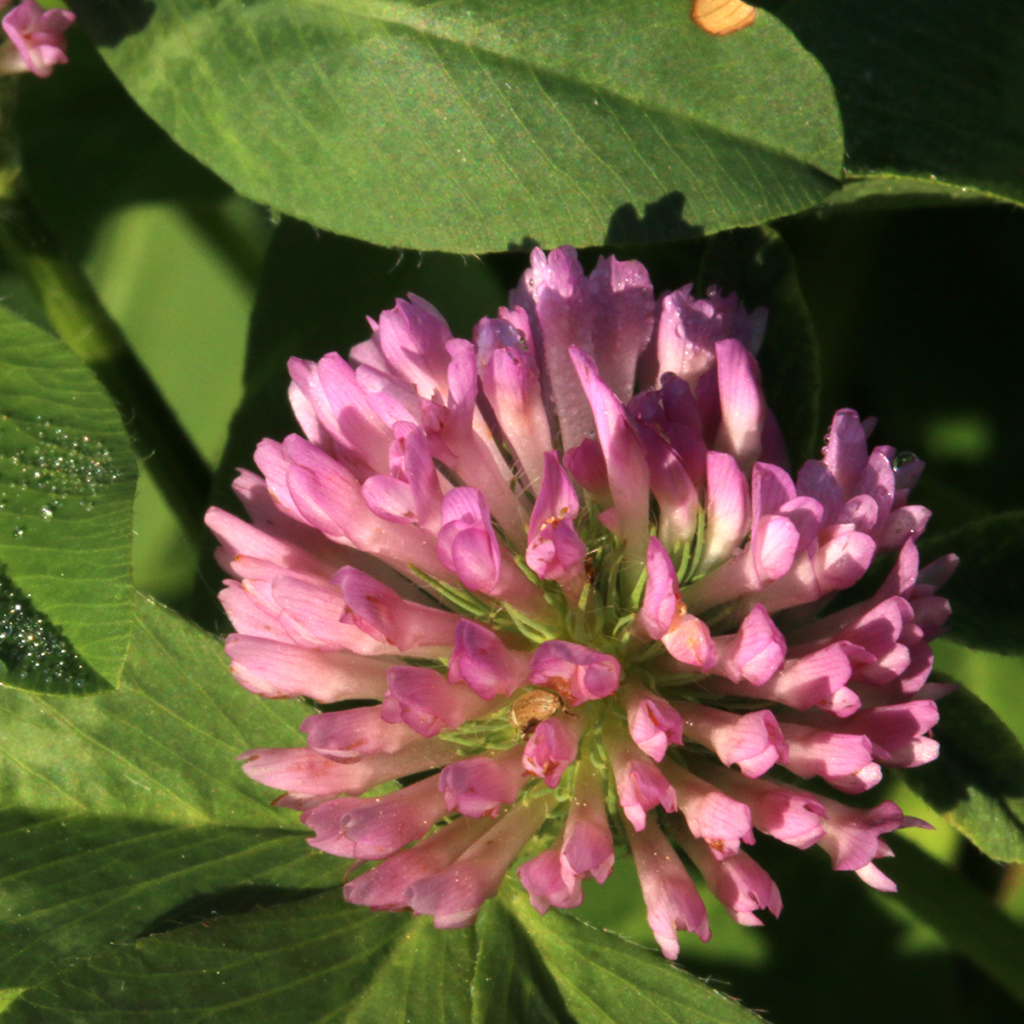
Isoflavones, as found in red clover, alfalfa, and kidney beans are recognized as phytoestrogens because their chemical structure is similar enough to estrogen that they modulate estrogen receptors and elicit either estrogenic or anti-estrogenic effects, depending on how they bind to these receptors.14 In humans, they have been found to modulate mood and anxiety, improve memory and dementia parameters, enhance neuroplasticity, and bind to essential estrogen receptors in the central nervous system that are responsible for regulating gene transcription.15
A recent report, however, concluded that isoflavones (like those found in soy) do not act as endocrine disruptors, nor do they act on breast or endometrial tissue, but rather elicit more beneficial anti-inflammatory and anti-oxidative effects, specifically in postmenopausal or osteoporotic women.10
Addressing Metabolic Dysfunction
Phenolic compounds such as tannins and flavonoids are also advantageous in addressing chronic metabolic conditions such as diabetes and obesity, where diabetes is now considered an oxidative stress disorder and obesity is now classified as chronic state of low-grade inflammation. Addressing metabolic dysfunction will help reduce the risk of developing additional chronic conditions and comorbidities.3,14
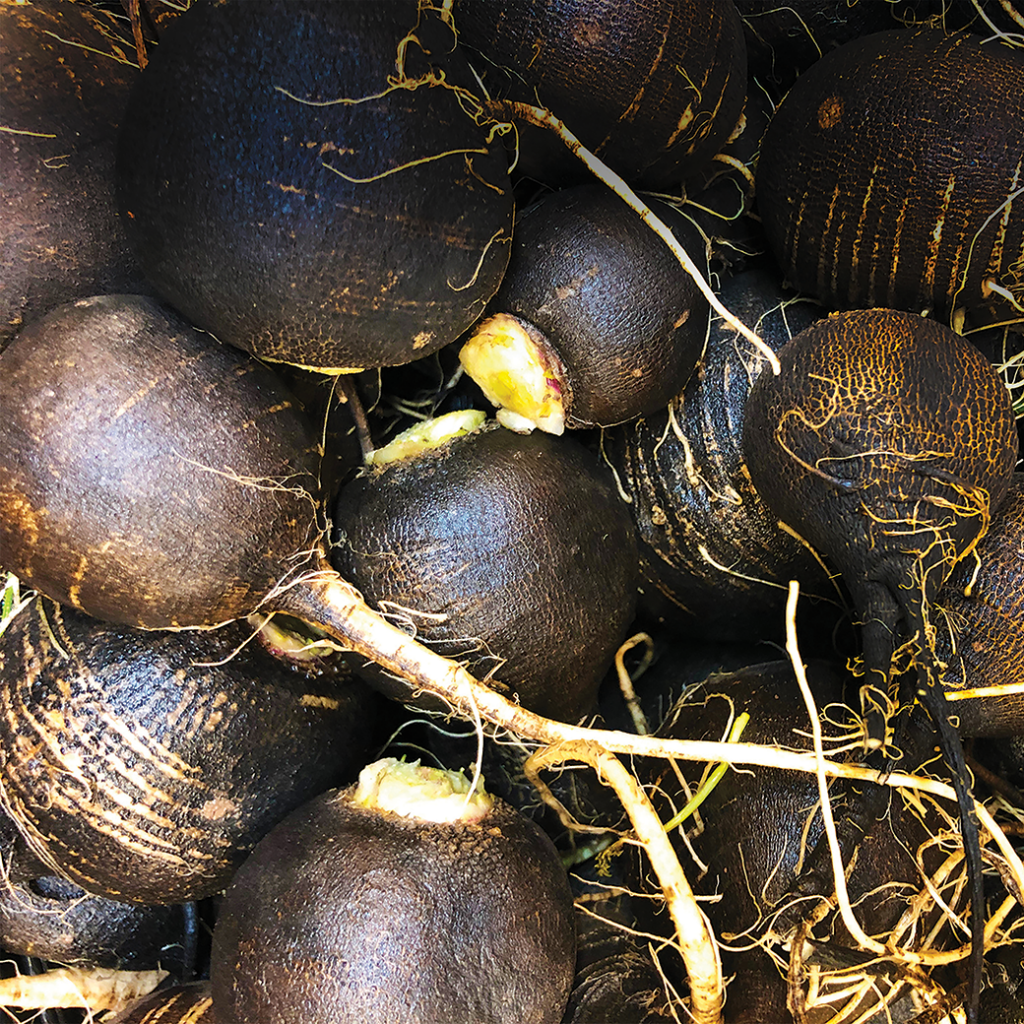
Tannins, found in tea, wine, berries, pomegranates, Spanish black radish, herbs, and spices, have been widely studied with regard to different metabolic conditions, specifically pertaining to their effects on glycemic control, weight management, and metabolism. Mechanistically, tannins have been shown to interfere with lipase activity, fat absorption, pancreatic β-cells, and the hormones responsible for hunger and satiety, thus directly influencing lipid metabolism, insulin metabolism, and appetite.8
Similarly, a wide number of flavonoid compounds have also been shown to modulate glucose and lipid parameters, insulin resistance, and metabolism. Flavan-3-ols, in particular, have been studied for their normalizing effect on fasting glucose while anthocyanins are reported to have a significant effect on glycemic control, HbA1c numbers, and BMI.8 Then rutin specifically acts to modulate the digestibility of starches which has a direct effect on both glucose and lipid metabolism.10
Microbiome Benefits
The interaction between phenolic compounds and the gut is highly symbiotic. In fact, it is thought that these phytochemicals interact with the human gut microbiome in a way that is similar to how they interact between the native plant and the microbiome of the soil. Tannins and other phenolic compounds have been used to address microbiome dysbiosis and further promote beneficial bacteria proliferation, where dysbiosis is often correlated to increased oxidative stress, inflammation, and epithelial damage that further leads to, or exacerbates, numerous other chronic and neurodegenerative diseases.7,12 Tannins in particular modulate the microbial environment by promoting beneficial bacteria and suppressing opportunistic or pathogenic microbes.
Tannins are largely metabolized by the gut microbiome, which triggers the release of specialized microbial metabolites into circulation. These metabolites have been shown to exert both local and systemic effects, such as:
- antioxidative and anti-inflammatory activity
- immune-regulating, anti-aging, and anti-cancer effects
- support for the local gut environment and broader systemic health
Through these gut microbial interactions, tannins can help to strengthen the gut barrier epithelium, support a healthier microbial environment, and reduce risk factors associated with systemic disease.
Clinical Takeaways
Though widely studied for their cardiovascular, neurological, and metabolic benefits, phenolic compounds have numerous other health promoting benefits. Research has also shown that many of their benefits are due to their potent anti-oxidative, ROS preventing, and free radical scavenging effects.3,9 Additional research on phenolic compounds has demonstrated that they also impact immune regulation, stress modulation, sleep, bacterial/fungal/parasitic/viral infection, and various types of cancer.2,9 Because phenolic compounds help protect plants from impending danger and support their survival, these same defense-related mechanisms may also offer protective and preventative benefits in humans as well. As demonstrated here, connection is already strongly supported given the breadth of research on phenolic compounds in correlation to human health.
Clinical Recommendations Summary
Dietary & Supplemental Sources of Phenolic Compounds:
- Herbs and spices (such as turmeric, ginger, sage, rosemary, parsley)
- SUPPLEMENT CONSIDERATIONS: To optimize absorption of turmeric and its curcumin bioactive polyphenols, look for supplements that pair curcumin with fenugreek. Fenugreek bound to curcumin demonstrates the ability to enhance bioavailability.15
- Green tea
- SUPPLEMENT CONSIDERATIONS: Look for combination products high in these unique phenols known as oligomeric proanthocyanidins (OPCs)
- Berries
- Chocolate
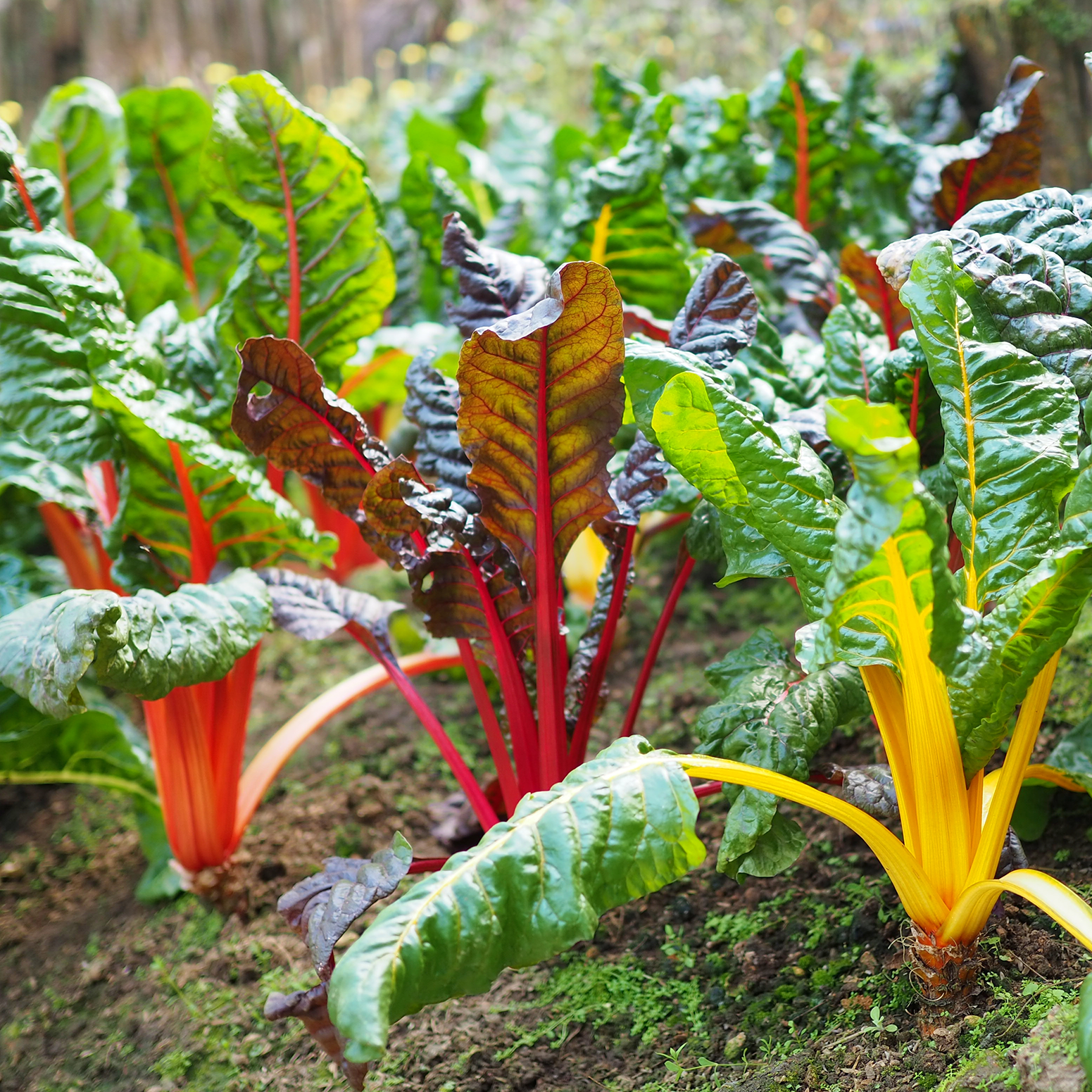
- Dark leafy greens (kale, Swiss chard, buckwheat, alfalfa)
- SUPPLEMENT CONSIDERATIONS: Seek concentrated products that supply organic versions of these vital plants through juicing and gentle processing that avoids the use of high heat to maintain and protect delicate polyphenolic compounds.
- Cruciferous vegetables (Spanish black radish and Brussels sprouts)
- Oats
- Beet root
- Red clover, alfalfa, kidney beans (isoflavones)
- Barley
Did you know WholisticMatters is powered by Standard Process? Learn more about Standard Process’ whole food-based nutrition philosophy.

Supplements for Healthcare Practitioners
Join a community of 60,000+ like-minded healthcare professionals. A relationship with Standard Process offers networking opportunities, and an array of educational resources and tools to help grow your practice.
Learn more
1. Suter S, Lucock M. Xenohormesis: Applying Evolutionary Principles to Contemporary Health Issues. Exploratory Research and Hypothesis in Medicine. 2017-12-01 2017;2(4):1-7. doi:10.14218/erhm.2017.00023
2. Melo LFMd, Aquino-Martins VGdQ, Silva APd, Oliveira Rocha HA, Scortecci KC. Biological and pharmacological aspects of tannins and potential biotechnological applications. Food Chemistry. 2023/07/15/ 2023;414:135645. doi:https://doi.org/10.1016/j.foodchem.2023.135645
3. Sun W, Shahrajabian MH, Sun W, Shahrajabian MH. Therapeutic Potential of Phenolic Compounds in Medicinal Plants—Natural Health Products for Human Health. Molecules 2023, Vol 28, Page 1845. 2023-02-15;28(4)doi:10.3390/molecules28041845
4. Kumar N, Goel N. Phenolic acids: Natural versatile molecules with promising therapeutic applications. Biotechnology Reports. 2019/12/01;24doi:10.1016/j.btre.2019.e00370
5. Jaiswal Y, Liang Z, Zhao Z. Botanical drugs in Ayurveda and Traditional Chinese Medicine. Journal of Ethnopharmacology. 2016/12/24;194doi:10.1016/j.jep.2016.06.052
6. Lemanowicz J, Gawlińska K, Jaskulska I, Jaskulski D, Sar M. Flavonoids in Plants and Human Health: From Biosynthesis to Neurodevelopmental and Neurodegenerative Disorders. Molecules. 2025 Dec 24;31(1)doi:10.3390/molecules31010066
7. G. Fraga C, D. Croft K, O. Kennedy D, et al. The effects of polyphenols and other bioactives on human health. Food & Function. 2019/02/20;10(2)doi:10.1039/C8FO01997E
8. Oluwole O, Fernando WB, Lumanlan J, Ademuyiwa O, Jayasena V. Role of phenolic acid, tannins, stilbenes, lignans and flavonoids in human health – a review. International Journal of Food Science and Technology. 2022/09/21;57(10)doi:10.1111/ijfs.15936
9. Baky MH, Elshahed M, Wessjohann L, Farag MA. Interactions between dietary flavonoids and the gut microbiome: a comprehensive review | British Journal of Nutrition | Cambridge Core. British Journal of Nutrition. 2022/08;128(4)doi:10.1017/S0007114521003627
10. Fabbrini M, D’Amico F, Barone M, et al. Polyphenol and Tannin Nutraceuticals and Their Metabolites: How the Human Gut Microbiota Influences Their Properties. Biomolecules. 2022;12(7):875.
11. Ali SS, Ahmad WANW, Budin SB, Zainalabidin S. Implication of dietary phenolic acids on inflammation in cardiovascular disease. Reviews in cardiovascular medicine. 2020;21(2):225-240.
12. Matsumura Y, Kitabatake M, Kayano S-i, Ito T. Dietary Phenolic Compounds: Their Health Benefits and Association with the Gut Microbiota. Antioxidants. 2023;12(4):880.
13. Guven H, Arici A, Simsek O. Flavonoids in Our Foods: A Short Review. Journal of Basic and Clinical Health Sciences. 2019-06-01;3(2)doi:10.30621/jbachs.2019.555
14. De Lorenzo A, Gratteri S, Gualtieri P, et al. Why primary obesity is a disease? Journal of Translational Medicine 2019 17:1. 2019-05-22;17(1)doi:10.1186/s12967-019-1919-y
15. Kumar D, Jacob D, Subhash PS et al. J Funct Foods 2016; 22, 578-587