Holistic Approach to Back-to-School Wellness
With kids going back to school, the need for proactive illness prevention starts now. Currently, there are more than 200 cold-causing viruses in circulation, causing more sick days, or absences from school and work than any other illness.1 However, as a preventative measure, strengthening the immune system can help to build resilience. Implementing immune-supporting lifestyle and nutrition practices not only helps with the prevention of seasonal illness but also helps to facilitate a quicker recovery. These preventative measures are especially beneficial for high-risk individuals such as young children, those immune-compromised, and the elderly.
How the immune system works
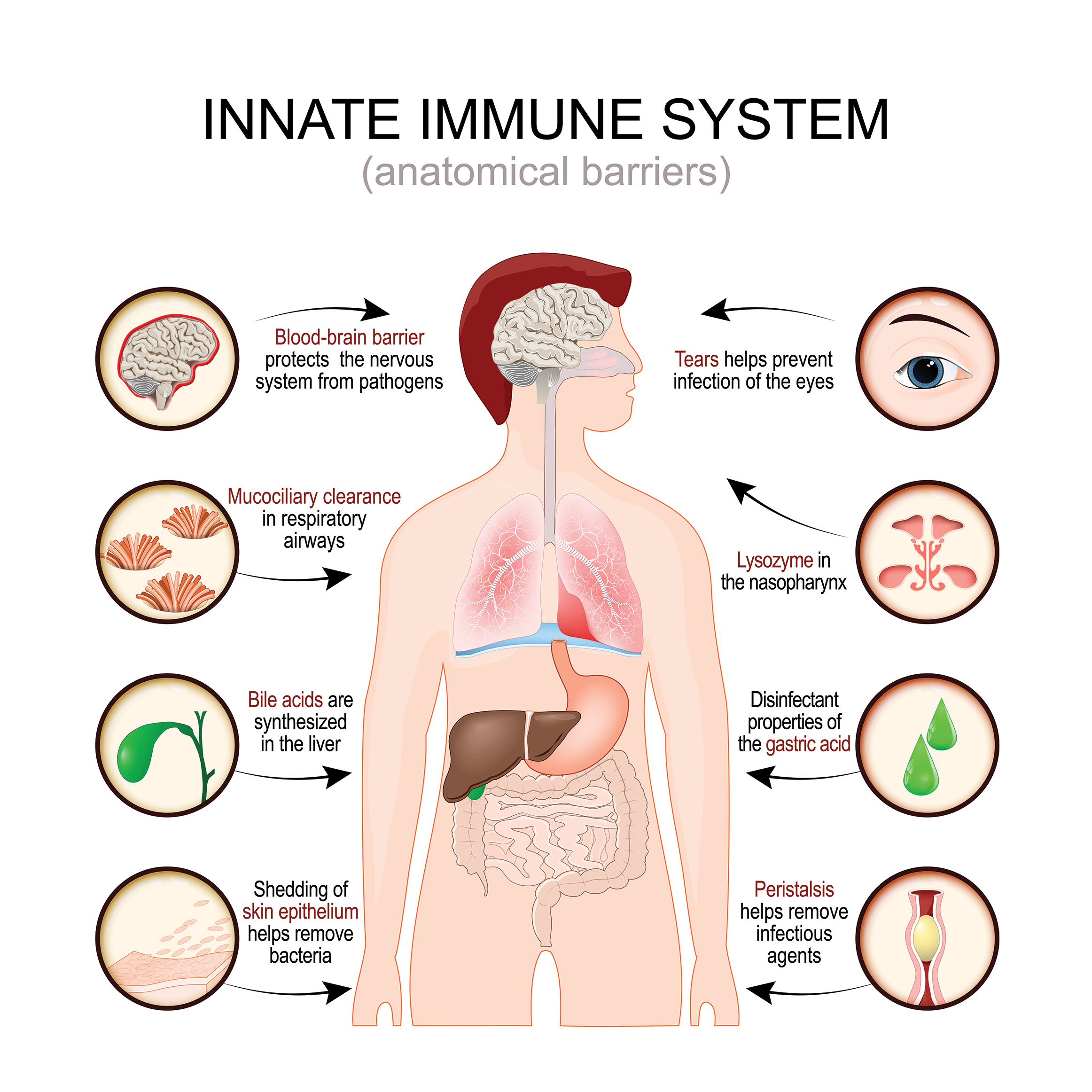
The innate immune system is what humans are born with; it’s the first line of defense and is naturally occurring. It is comprised of the physical barriers of the body, such as the skin and other mucous membranes, like the lungs and the digestive tract. It also includes bodily secretions and tissue-specific responses that further act to protect the body from foreign invaders. 2
When the immune system is neglected, under-prepared, over-loaded, or stressed, opportunistic invaders have the chance to infiltrate the system and take hold. This leads to infection, manifesting as common conditions like cold or flu, stomach bug, or pink eye.
Lifestyle Strategies to Support the Immune System and Mitigate Exposure to Viral Infections
Hand Washing
First and foremost, to prepare for the on-coming cold and flu season, remember to wash your hands regularly with soap and water. Adults interact with their face – mouth, nose, and eyes- over 500 times per day.Children’s interaction with their face and orifices is significantly higher,even 2-3 times that of adults, making children that much more susceptible to infection involving the mucous membranes. Again, keeping hands free from germs by regularly washing with soap and water is essential.
Physical Exercise for Immune and Lymphatic Health

As cold and flu season arrives, it is also important to stay physically active. Physical exercise activates specialized immune functions on both a cellular and systemic level. In fact, the muscular contractions that occur during exercise also promote lymphatic drainage.This is key as lymph is a collection of cell debris, metabolites, and other inflammatory toxins that typically coincide with infection.
Additionally, regular exercise provides further immune boosting benefits such as alleviating inflammation, mitigating stress responses, improving the health of other immune-specific organs like the thymus gland, and increasing the number of overall immune cells.3
Benefits of Fresh Air and Time Outdoors
Even as the weather gets colder, spending time outside continues to boost immune resilience. When staying inside, the circulating air gets trapped and becomes stagnant, causing the potentially infected air to continue to circulate and increasing the risk of airborne-specific infection. Spending time outside provides non-contaminated, fresh air and has been shown to reduce stress, where stress otherwise suppresses and inhibits normal immune function.4 Additional information on how stress can impact the immune system can be found here: Managing Stress and Immune Health – WholisticMatters
Preventative Nutritional Support
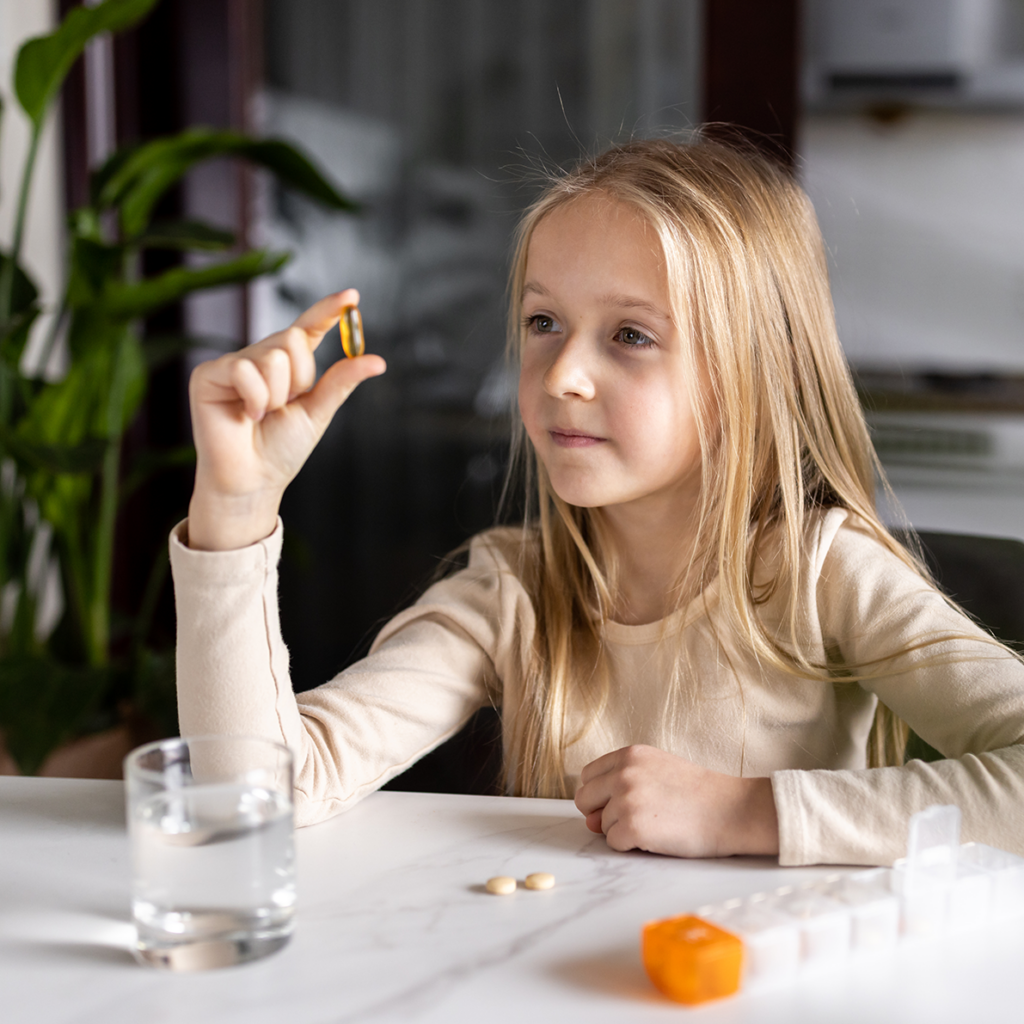
Given the growing amount of convenience foods, picky eaters, and food sensitivities, it is important to acknowledge that a significant nutrient gap now exists, especially in our youth and elderly populations. While it is advised to get proper nutrition from fresh, whole-food sources, this may not always be possible. In these instances, supplementation may be necessary to help fill those nutrient gaps, particularly if these deficiencies lead to a compromised immune response.
Zinc
The innate immune system, that first layer of protection, relies heavily on zinc. The 2nd most abundant trace mineral after iron, Zinc is essential for mucus membrane, skin, lung, and gut epithelial integrity. Systemic-wide wound healing and recovery is also an integral component of the cell membrane, tissue stabilization, and protein synthesis. Supplementing with zinc has been shown to reverse membrane damage, as well as preserve and restore function of the mucus membrane secretions.2 Zinc is also a potent antimicrobial/antiviral that has been shown to disrupt replication and reduce the risk, and duration, of pneumonia, the common cold, and other respiratory tract infections, whereas deficiency in zinc has been correlated to higher incidence of such conditions.5
Vitamin D
Vitamin D is also essential for building immune resilience. Vitamin D promotes infection-induced macrophage activity at the cellular level to support both membrane and tissue integrity. Vitamin D supplementation, specifically during the winter months, has been found to reduce the risk of influenza A and prevent upper respiratory tract infections, specifically in children and young adults. Therefore, it is no surprise that a deficiency here would also be attributed to increased incidence of upper respiratory infection. 6
Omega-3s
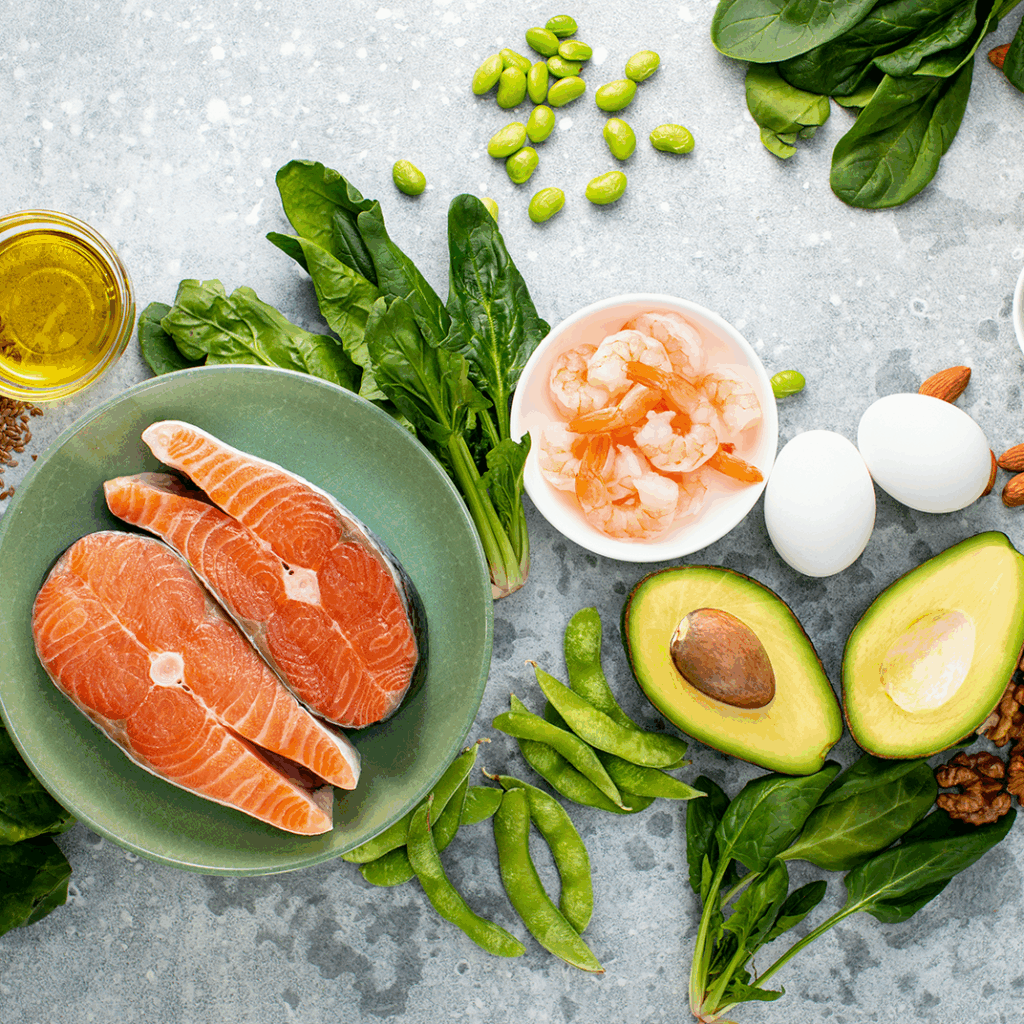
Omega-3 fatty acids, such as those found fatty fish such as tuna, salmon, and cod, have also been shown to protect against and help mitigate pathogenic infections involving the lungs and gut.
As a main component of the cell membrane and driver of cellular/epithelial integrity, omega-3’s help maintain the physical barriers and mucus membranes but are also in part responsible for the differentiation and maturation of the immune cells. Omega-3’s have also been shown to act as chemical messengers by triggering a desired immune response. 7
Elderberry
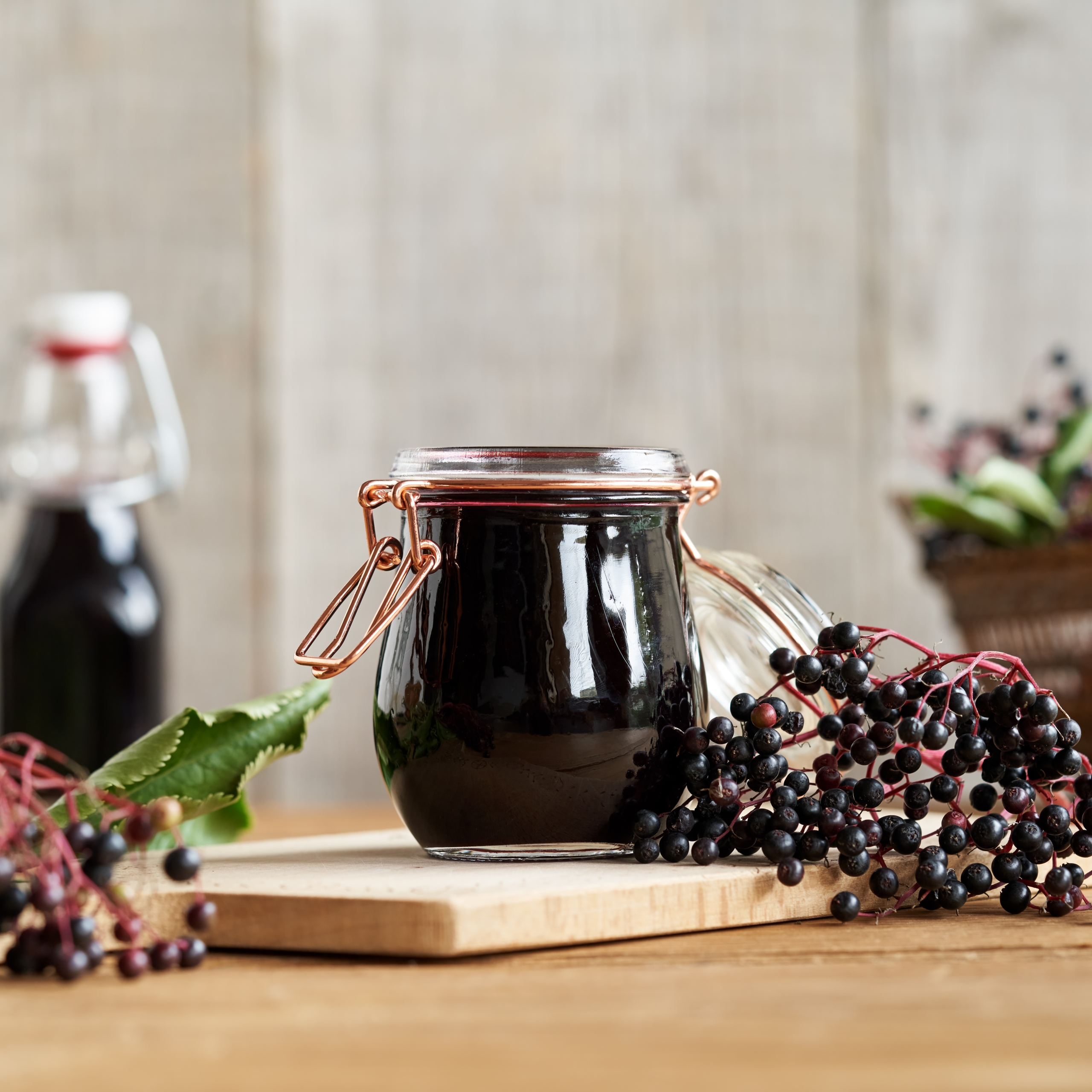
Elderberry has also been used for centuries to address the signs and symptoms of cold and flu such as cough, sore throat, fever, and excess mucus production. The phenolic compounds and phytonutrients in elderberry have been shown to have protective effects against viral infection in both direct and indirect ways. While the specific mechanisms of action are not yet understood, it is theorized that its specific polyphenols inhibit viral replication and widespread proliferation while also promoting, modulating, and activating host immunity.
Elderberry has a long-standing use in children and has been shown to reduce the signs, symptoms, and reoccurrence of upper respiratory infections, ear infections, tonsilitis, and the flu. It has also been shown to have synergistic effects when combined with other immune-boosting nutrients, such as vitamin C, vitamin D, and zinc. 8
Colostrum
Colostrum also supports and strengthens the innate immune system by promoting gut epithelial and mucosal membrane integrity. Colostrum prevents bacterial adhesion and thus further suppresses bacterial proliferation in the gut. It also supports the microbial balance by promoting beneficial bacteria, inhibiting opportunistic bacteria/pathogens, and mitigating the risk of microbial translocation. Furthermore, colostrum also stimulates intestinal cell proliferation and facilitates gut healing and tighter intestinal juctions.9
Medicinal Mushrooms
Medicinal mushrooms, such as shiitake and reishi, also have immune promoting benefits. These mushrooms are doubly beneficial as they support both innate and adaptive immunity. Shiitake has been most widely studied amongst the mushrooms and has been shown to act as a potent antimicrobial, thus providing that first layer of protection against pathogenic invaders. Reishi mushrooms, on the other hand, have traditionally been used to address and treat conditions such as bronchitis and pneumonia and are also highly antimicrobial and antiviral. Additionally, the reishi mushroom is an excellent source of selenium which is also essential for immune modulation and defense against pathogenic invaders. Furthermore, reishi mushrooms promote liver detox and clearance, meaning they are also beneficial in promoting recovery following infection.10
Maintaining Gut Health for Immunity
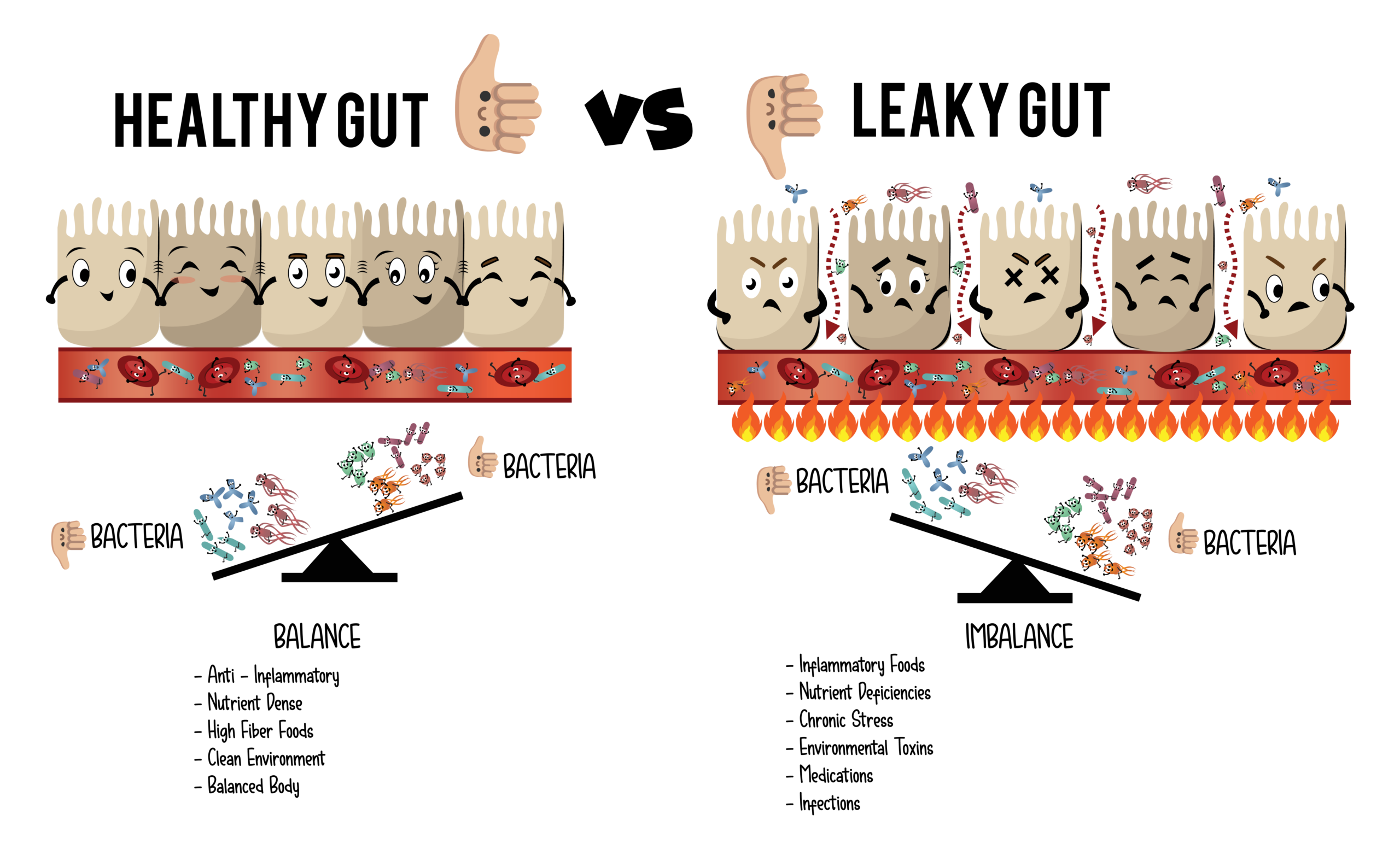
Protecting and promoting gut integrity and microbiome health is essential for maintaining a healthy immune system. While the gut is most abundant with microbes, they are present on every exposed surface of the body such as that of the skin, the lungs, and the mouth. Naturally, when one microbiome is in dysbiosis, another microbiome may also be immune compromised.2 Dysbiosis has been attributed to a weakening of the intestinal junctions, or leaky gut, meaning the intestinal barrier, as well as the skin and the lungs, are more susceptible to pathogenic invaders.
Supplementing with probiotics, such as the specific combination of L. acidophilus DDS-1, B. lactis UABLA-12 has been shown to help prevent acute respiratory infection in school-aged children, as well as promote recovery following infection. Additional studies have shown these same synbiotics, plus inulin, markedly improved skin tone, quality of life, sleep parameters, and other eczema-related symptoms in young children, further demonstrating the gut’s influence on skin/barrier integrity and overall immune resilience.11
Fiber
Fiber provides another layer of gut health, further boosting immune resilience. Essential for microbial balance, fiber such as that found in oat fiber, green banana, and apple pectin, are fermentable foods for the microbiome that are broken down and function as a signaling mechanism to influence gut integrity and regulate immune response. These dietary fibers truly shape the microbial environment and directly influence how the microbiome and the immune system develops, matures, and functions.11
Nutrients for the Developing Innate Immune System
As the adaptive immune system takes a few years to mature, young children naturally go through a series of exposures, called tolerance priming events, to build their immune tolerance and more targeted defenses. Specific micronutrients, in particular vitamins A, C, the various B-vitamins such as B6, and again vitamin D play a distinguished role in tolerance building and protein synthesis which are crucial for healing and recovery, immune signaling, immune cell differentiation, and immune function. Deficiencies in these vital nutrients means a compromised, more susceptible immune system.2
Additional support for the adaptive immune system would again be zinc and colostrum. As the system develops and adapts, zinc is needed for the maturation and differentiation of specialized immune cells.2 Colostrum, however, provides immunoglobulins as passive immunity to infants/toddlers while their own systems are still under development. This form of passive immunity would help defend against and ward off infectious pathogens such as bacteria, virus, parasites, and fungi, further strengthening the immune system.9 Additional information on how colostrum can support the immune system can be found here: Colostrum Benefits: Immune & Gut Health Support.
Key Takeaways
With kids going back to school, preventative health is essential. Remember to wash your hands regularly with soap and water, make sure to stay active, and keep spending time outside even as the weather turns cold. This will keep your immune system primed and strong throughout the season.
The key nutrients for immune support and resilience include:
- Zinc
- vitamin D
- omega-3’s as found in tuna
- elderberry
- colostrum
- mushrooms such reishi and shitake
- fiber
- probiotics, such as the specific combination of L. acidophilus DDS-1, B. lactis UABLA-12
These vital nutrients are especially beneficial for that younger population. These again support the body’s physical barriers, such as the mucus membranes of the respiratory tract, gut, and sensory organs – that first line of defense protecting again pathogenic invasion. Keeping that first line of defense toned and resilient means more preparedness and protection against the winter months to come.
Did you know WholisticMatters is powered by Standard Process? Learn more about Standard Process’ whole food-based nutrition philosophy.

Locate Professional Health Solutions Nearby
Looking for high-quality, practitioner-recommended health solutions? Locate authorized Standard Process practitioners in your area and gain access to premium health services to support your wellness journey.
Find A Participating Practitioner
National Center for Immunization and Respiratory Diseases; Coronavirus and Other Respiratory Viruses Division. Common Cold: About Common Cold. CDC. Published April 2024. Updated February 2026. Accessed July 2026. https://www.cdc.gov/common-cold/about/index.html.
Child vs. Adult Immune Systems. Wholistic Matters. Published April 2022. Accessed July 2026. https://wholisticmatters.com/child-and-adult-comparing-immune-systems/.
Barron K. How Exercise Supports Immune System Strength. Wholistic Matters. Published November 2023. Accessed July 2026. https://wholisticmatters.com/exercise-and-immunity/.
Shuda Q, Bougoulias ME, Kass R. Effect of nature exposure on perceived and physiologic stress: A systematic review. Complementary Therapies in Medicine. 2020/09/01;53doi:10.1016/j.ctim.2020.102514
Marrow N. Zinc for Immune Health. Wholistic Matters. Published October 2020. Accessed July 2026. https://wholisticmatters.com/zinc-for-immune-health/.
Vitamin D for Immune Health. Wholistic Matters. Published October 2020. Accessed July 2026. https://wholisticmatters.com/vitamin-d-for-immune-health/.
Gutierrez S, Svahn SL, Johansson ME. Effects of Omega-3 Fatty Acids on Immune Cells. International Journal of Molecular Science. 2019/09/27;20(20)doi: 10.3390/ijms20205028
Immune Support in Children: Elderberry. Wholistic Matters. Published May 2022. Accessed July 2026. https://wholisticmatters.com/elderberry-for-children/.
Barron K. Colostrum: More than Milk. Wholistic Matters. Published August 2022. Accessed July 2026. https://wholisticmatters.com/colostrum-more-than-milk/.
Foroutan R. The Health Benefits of Medicinal Mushrooms. Wholistic Matters. Published March 2020. Accessed July 2026. https://wholisticmatters.com/medicinal-mushrooms/.
Hernandez M. A Synbiotic Approach to Pediatric Gut Health. Wholistic Matters. Published May 2026. Accessed July 2026. https://wholisticmatters.com/a-synbiotic-approach-to-pediatric-microbiome-health/.