Stress, Immunity, and Digestion: Essential Self-Care and Supplementation for the Holiday Season
The holiday season is here and schedules are filled with social gatherings, travel, and nonstop activities, meaning stress this time of year is at an all-time high. Seasonal treats and delicacies full of sugar tend to replace healthier and more nutrient-dense foods. The combination of increased stress, immune exposure and sugar intake is the perfect storm for susceptibility to immune and digestive challenges. Priming the immune system, preparing for the onset of infection, planning for seasonal over-indulgence, and ensuring good sleep are essential strategies to navigate this holiday season.
The Holiday Woes: When Immunity is Compromised
When the immune system is compromised, the body is more susceptible to infection. Stress and poor quality of sleep puts additional strain on the immune system, and greatly affects mental and emotional well-being as well.
An exceptionally busy holiday schedule, large gatherings, and sensory overload can create even more havoc on the nervous and immune systems. Not only is the nervous system fried from all the planning, travel, and emotional stress of the season, but this increased level of stress further compromises and weakens the immune system, leaving it more susceptible to pathogenic invasion.
However, the holidays are more than just social gatherings, schedules to keep, and travel. It’s also about connecting around food and seasonal favorites. These options are not always the healthiest, and indulging in traditional holiday foods typically results in over-eating, bloating, fatigue, indigestion, and other digestive concerns.
Lifestyle Approaches to Managing the Holidays
To help deal with the busyness and emotional burden of the holidays, adding in time for reflection and gratitude can be supportive. This helps with presence of mind and prioritizing activities going forward. This is also a great exercise to do with kids; don’t focus on what they are most excited for or are anticipating, rather reflect on what has happened and how enjoyable it has been thus far. Crafting something may be a great way to acknowledge these activities and help solidify that memory. Pausing amidst the chaos to intentionally take a few deep breaths has a calming effect, helps with focus, and further supports moving forward with a clear mind; kids can benefit from this too.
Physical Activity for Immunity, Sleep, and Mental Health
Exercise is beneficial for immunity, sleep, and mental health. It promotes endorphins, the release of those feel-good hormones, as well as stress reduction, improved sleep, and mental clarity. Exercise is yet another way to keep the kids engaged – turn it into a game or a friendly competition. Start building out some of those healthy habits now so that foundational mindset is already established going into the new year.
Healthy Boundaries and Filling Your Own Cup First
It is also important, and healthy, to establish personal boundaries and limitations. This could mean limiting festivities by saying “No” to certain events, foods, gatherings, or activities, as well as delegating or outsourcing tasks to others. Your mental health and well-being are worth it, and if you don’t prioritize it, no one else will. Make sure to take time for yourself this holiday as you can only give if your own cup is full.
Immunity: Nutrient and Herbal Support for the Season
As the season progresses, prevention and forethought here are key. Given the highly social nature of the season, building immune resilience with specific nutrients and herbs ahead of time is advantageous. Stocking the cupboard with immunomodulating nutrients to help recover from infection is also advised. Then preplanning for digestive concerns, over-eating, and food variability could also be a consideration. Finally, supporting sleep will promote immune resilience and emotional wellbeing.
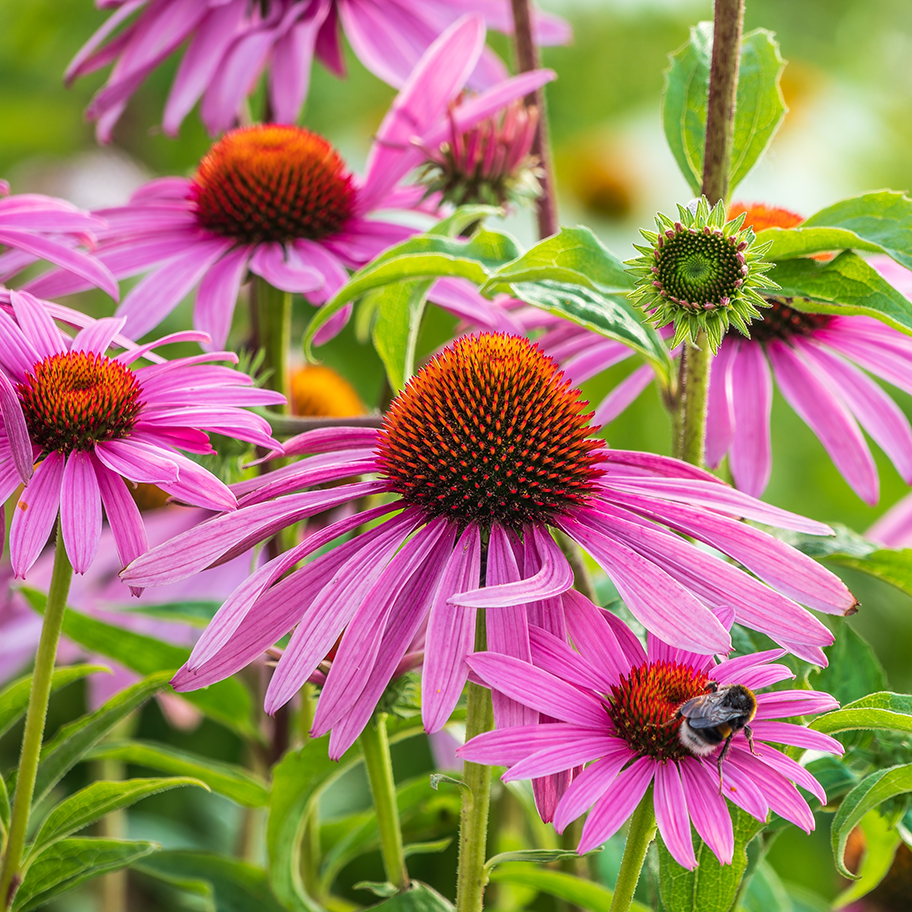
Echinacea is one of the most commonly reached-for herbs when considering building immune tolerance and is widely considered as an immune modulating herb. Studies have shown it enhances the innate immune system by activating that first line of defense that protects the body from pathogenic invaders, by preparing the system for an immune-ready response.
In clinical settings, echinacea has been shown to prime immune readiness and reduce immune system response time, as well as inhibit several pathogens such as bacteria, fungi, viruses, and parasites, particularly in the lungs and naso-gastric regions. It has also been well-documented to elicit a preventative effect against recurrent respiratory infections.1
Echinacea is more than just an immune booster. It has also been shown to reduce symptoms and improve the rate of recovery once an infection has occurred. In traditional Native American cultures, echinacea was frequently used as a traditional cold and flu remedy to address symptoms like cough, sore-throat, pain, and congestion. Clinical studies have also shown it to lessen the severity and enhance the clearance of an infection, as well as activate immunomodulatory pathways which further contribute to its anti-inflammatory effect.1 Vitamin C is very synergistic as it supports epithelial barrier and mucus membrane function, strengthens the immune defense, and further prevents against pathogenic infection.2
After a virus takes hold, adding in immune-boosting nutrients can be helpful in shortening the overall duration, supporting symptom management, and accelerating recovery. When the immune system needs immediate support, a blend of vitamins A and C, calcium, and mineral-rich alfalfa, combined with thymus and bone glandular extracts, provides essential targeted nutrition. Vitamin A and vitamin C directly contribute to immune resilience and enhance the body’s natural immune response.2
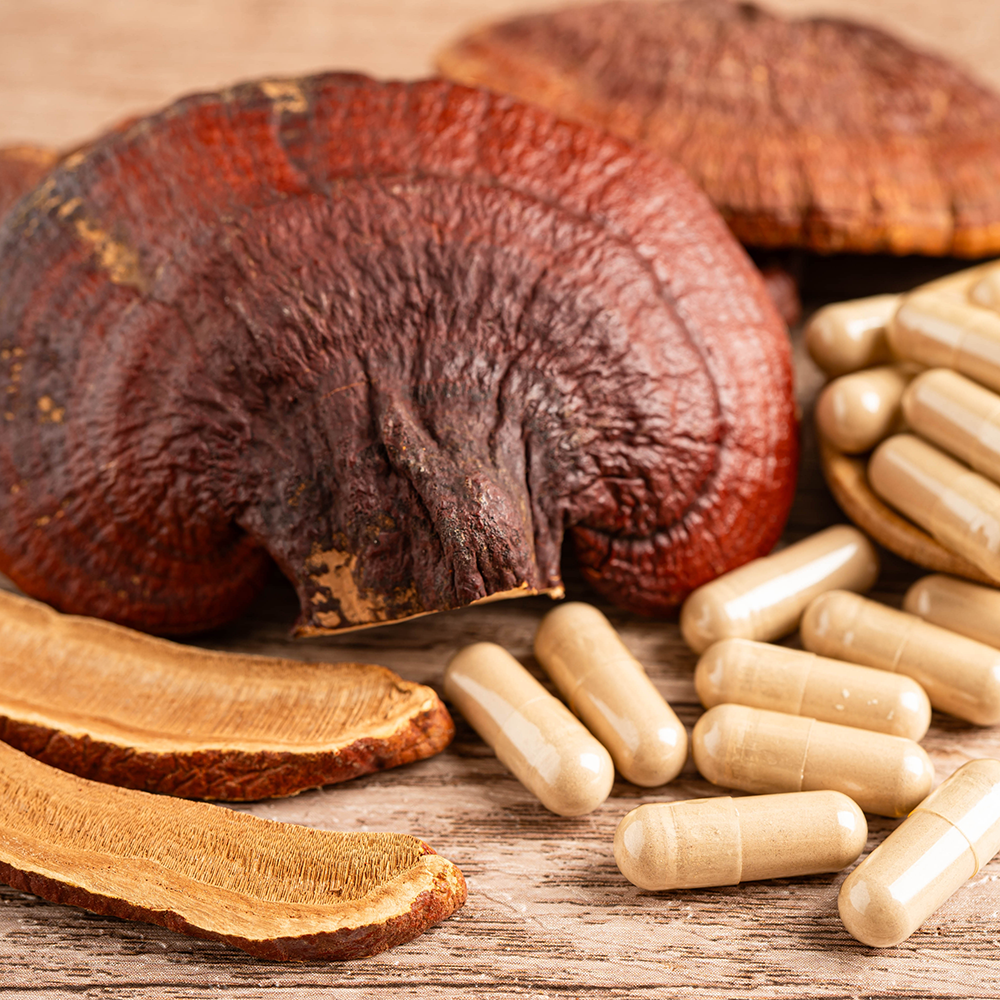
Medicinal mushrooms such as shitake and reishi also demonstrate immune modulating effects and have been long used for rebuilding resilience and vitality following an infection. They have been shown to up-regulate the body’s innate immune response in reaction to pathogenic infection.2 Additionally immune-specific glandular extracts such as the thymus and bone would also help to support the body’s own tissue function, natural healing, and recovery as well.
Digestive Support During the Holidays
The immune system is not the only body system that may be compromised this holiday season. The gut is often compromised as well. The diversity and abundance of foods that appear over the holidays, particularly those rich in sugar and saturated fat, often lead to over-eating, indigestion, bloating, and other GI-related issues. To combat the “turkey coma”, the frequent over-full feeling, reflux, and general indigestion, adding protein-specific digestive support such as the combination of betaine hydrochloride and the protein digestive enzyme pepsin can be helpful. This helps to acidify the stomach to ensure proper and thorough digestion as well as gastric motility. For those with sensitive stomachs, a more comprehensive digestive enzyme might be preferred. A comprehensive digestive enzyme should include amylase for carbohydrate digestion, lipase for fat digestion, pancreatin, bromelain, and/or papain for protein digestion, and cellulase for insoluble fiber like celery strands.
Natural Sleep Support
Sleep can also be compromised this time of year, which is heavily tied to both emotional well-being and immune health. In fact, sleep helps to regulate the immune system, whereas sleep deprivation has been shown to be highly correlated to an over-reactive immune response, autoimmune conditions, immunodeficiencies, and recurrent infection.3 Valerian has a long history of being used as a sedative and cognitive relaxant. It has also been shown to regulate the autonomic nervous system by promoting the body’s natural rest and digest function.4
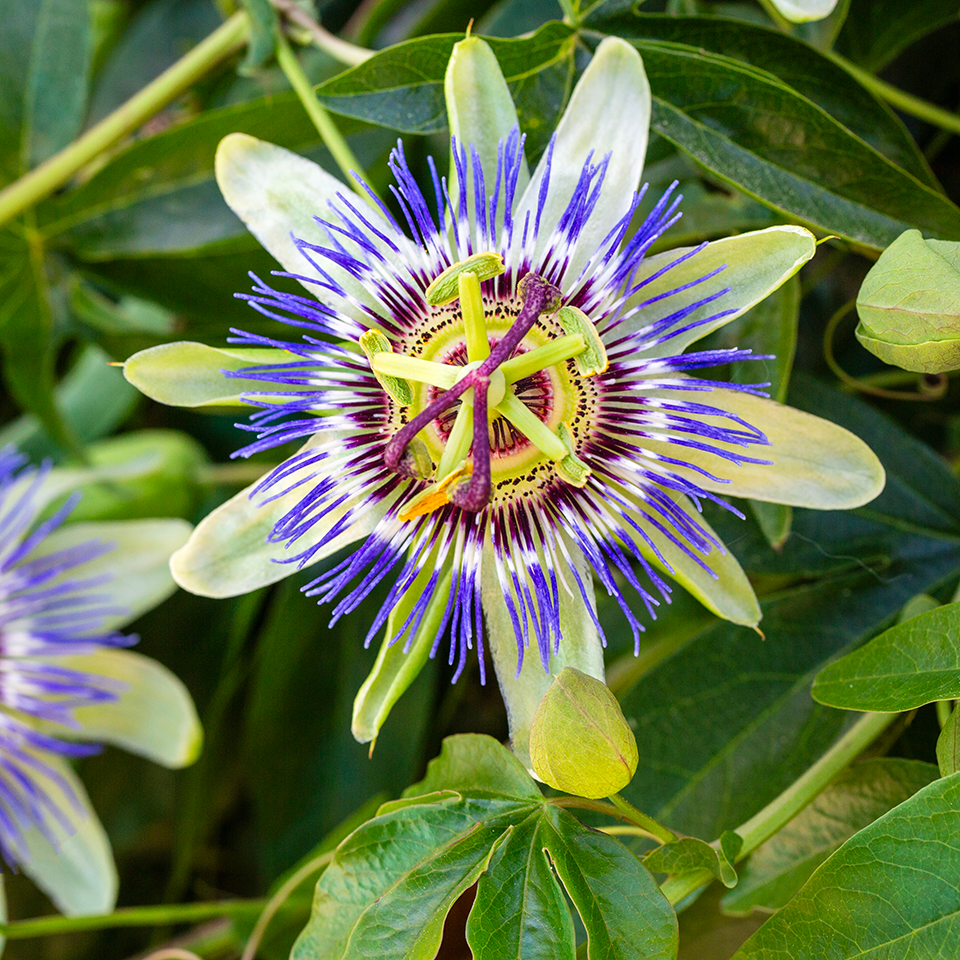
Additionally, passion flower has been used to induce sleep, reduce anxiety and overwhelm, and promote a sense of calmness.3 Consciously adding in sleep support this season could be game-changing.
Adaptogens for Stress Resilience
To further promote sleep and stress reduction, medicinal mushrooms such Ganoderma (also known as Reishi) and Shitake could also be considered for seasonal overwhelm and stress support. These mushrooms have been shown to lower cortisol levels, improve stress, sleep, and fatigue parameters, and modulate the Hypothalamus, Pituitary, Adrenal (HPA) axis responsible for normal rest and digest functionality.5 These adaptogenic mushrooms are high in minerals like magnesium, zinc, copper, and selenium, which are necessary for tissue healing, cellular function, stress reduction, and immune support. Additionally, these mushrooms have been widely studied for their antimicrobial and antiviral effects, making them a truly comprehensive addition this holiday season.6
Holiday Survival Supplement Stack
To best prepare for the looming stress of the holiday season, it is important to protect, pounce, plan, and pause.
- Protect and prime your immune system with the immune boosting synergistic support of Echinacea + vitamin C
- Pounce on the first sign of infection by adding in a targeted immune support combination of vitamin A, vitamin C, calcium, mineral-rich alfalfa, shitake and reishi mushrooms, and immune-specific glandular tissue like the thymus and bone
- Plan for indigestion and food variation by keeping a combination of betaine hydrochloride and pepsin handy.
- For more sensitive stomachs, choose a more general digestive support that includes pancreatin, bromelain, papain, amylase, lipase, and cellulase
- Pause – calm your mind, take a few mindful breaths, and pre-emptively facilitate restful sleep with the combination of valerian and passion flower.
- For further stress management, restful sleep, and (bonus!) immune support, the combination of medicinal mushrooms, ganoderma and shiitake, may be a beneficial add-in.
Taking proactive, intentional measures for immune health, stress relief, sleep, and digestion is truly the best way to enjoy the fullness of the season.
Did you know WholisticMatters is powered by Standard Process? Learn more about Standard Process’ whole food-based nutrition philosophy.

Locate Professional Health Solutions Nearby
Looking for high-quality, practitioner-recommended health solutions? Locate authorized Standard Process practitioners in your area and gain access to premium health services to support your wellness journey.
Find A Participating Practitioner
- Marciano M. Echinacea and Immune Health. Wholistic Matters. 2026. https://wholisticmatters.com/echinacea-and-immune-health/
- Miller B. Immune Resilience with Nutrients and Botanicals. Wholistic Matters. 2026. https://wholisticmatters.com/immune-resilience-with-nutrients-and-botanicals/
- Lifestyle and Nutrition to Support Sleep. Wholistic Matters. 2026. https://wholisticmatters.com/lifestyle-and-nutrition-to-support-sleep/
- Cortisol, the Stress Response, and Metabolic Markers of Stress. Wholistic Matters. 2026. https://wholisticmatters.com/cortisol-the-stress-response-and-metabolic-markers-of-stress-2/
- Hisamuddin ASd-d, Ramli F, Leo TK, et al. Adaptogenic Effects of Mushroom Blend Supplementation on Stress, Fatigue, and Sleep: A Randomised, Double‐Blind, and Placebo‐Controlled Trial. Brain and Behavior. 2026/01/01;16(1)doi:10.1002/brb3.71193
- Foroutan R. The Health Benefits of Medicinal Mushrooms. Wholistic Matters. 2026. https://wholisticmatters.com/medicinal-mushrooms/