Fibermaxxing Explained: Importance of Fiber and Best Sources
What’s all the Fuss about Fiber?

Recent Social media nutrition trends have been focused on maximizing daily dietary fiber intake. On platforms like TikTok and Instagram this can be found as #fibermaxxing. Many health and wellness influencers are beginning to share creative ways to add some extra fiber in their meals and snacks, sharing pictures and videos of innovative bowls and plates.
Benefits of Fiber
Healthy intake of dietary fibers can:
- aid in regulating blood sugar
- producing healthy and regular bowel movements
- feed beneficial gut microbes
- regulate hormones
- promotes fullness
- lower low-density lipoprotein (LDL) cholesterol levels
Beneficial gut microbes like Bifidobacterium and Lactobacillus, feed on fermented fiber in the digestive tract. Both bacterial strains support optimal digestion, strengthen the immune system, and block harmful pathogens in the gut.2 Fiber even plays an important role in regulating hormones. It can aid in clearing excess estrogen and stabilizing insulin. This makes it an ideal component for a diet focused on alleviating Polycystic ovary syndrome (PCOS), now renamed Polyendocrine metabolic ovarian syndrome (PMOS), symptoms. For further information on managing PMOS, refer to this Wholistic Matters article.
Soluable and Insoluable Fiber
Fiber is an incredibly important plant carbohydrate that the body is unable to digest. There are two main forms of fiber, insoluble fiber and soluble fiber. Soluble fiber dissolves in the stomach and turns into a gel, it slows digestion, aids in lowering cholesterol and can stabilize blood sugar. This form of fiber bulks the stool to help food pass through the digestive system without causing constipation. Insoluble fiber stays intact; it does not absorb water and acts as a gentle brush for the intestines, aiding to prevent constipation and keep bowel movements regular. Both soluble and insoluble fiber are vital for optimal health.
The current recommended daily fiber intake is 25 grams (g) for women and 38g for men.
The average person is not meeting this requirement.
It is estimated that 90-95% of American adults and children do not meet the recommended intake of dietary fiber.1
Consider some of these foods to increase daily dietary fiber intake:
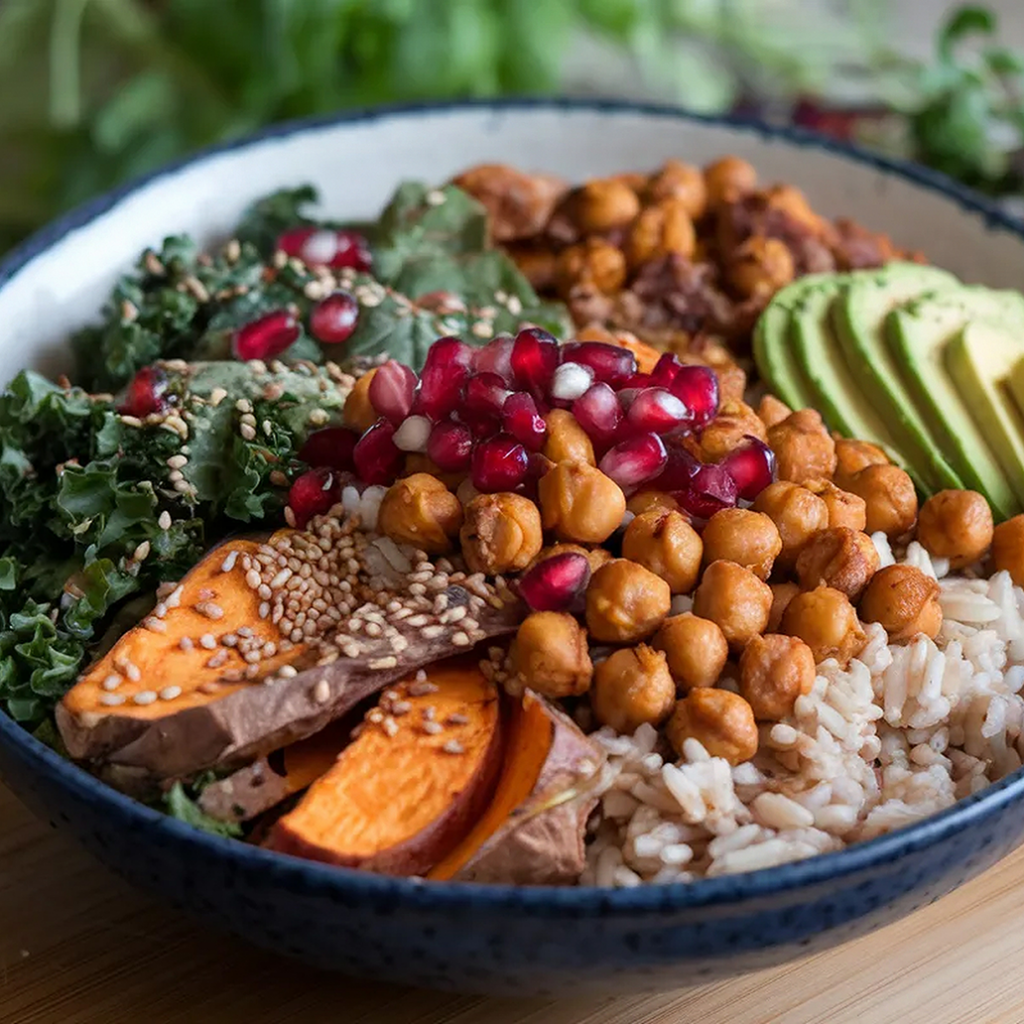
- Breakfast: oatmeal, chia seeds, raspberries
- Lunch: apple, brown rice, chickpeas
- Dinner: black beans, lentils, Brussels sprouts
Filling the Fiber Gap with supplementation
Life can get busy, and sometimes it can be difficult to meet daily fiber needs. This is when a whole food-based supplement can fill the nutritional gap for a busy individual or someone who might be on the go. Fiber based powders containing oat fiber, beet fiber, apple pectin, and carrot fiber can easily be added into a protein-based smoothie for optimal fiber intake. Oat and beet fiber aid in nourishing beneficial microbiota in the gut as well as supporting healthy elimination.
If life is even too hectic for a smoothie, the addition of some gut supportive supplements that have adequate sources of whole foods high in fiber can still be beneficial. Try looking for a capsule-based supplement containing rich fiber foods such as psyllium seed husk, fenugreek seed, carrot fiber, apple pectin and Collinsonia root. Psyllium husk is a water-soluble fiber that absorbs water and forms a gel-like substance that aids in easing bowel movements. Combined with Collinsonia root, a traditional remedy for hemorrhoids and digestive health, can soothe the gut.
Practical Take Away
The daily recommended fiber intake for men and women is between 25g-38g daily. This is a lot of fiber for those who are not used to eating heavy fiber diets. It is not recommended to go from eating very little fiber to adding 25 grams the next day. The gut might have trouble digesting this, and it could cause unpleasant GI symptoms like abdominal pain, bloating, gas and constipation.
Gradually introduce fiber into the diet by increasing 3-5g of fiber a week. This will give the gut time to adjust and digest the additional fiber input. It is crucial when increasing fiber to also increase water intake to help avoid constipation. Aim for 9-13 cups of water when consuming adequate amounts of dietary fiber. Adding some electrolytes can help to keep mineral levels well balanced.
Whole Food Fiber Supplement considerations:
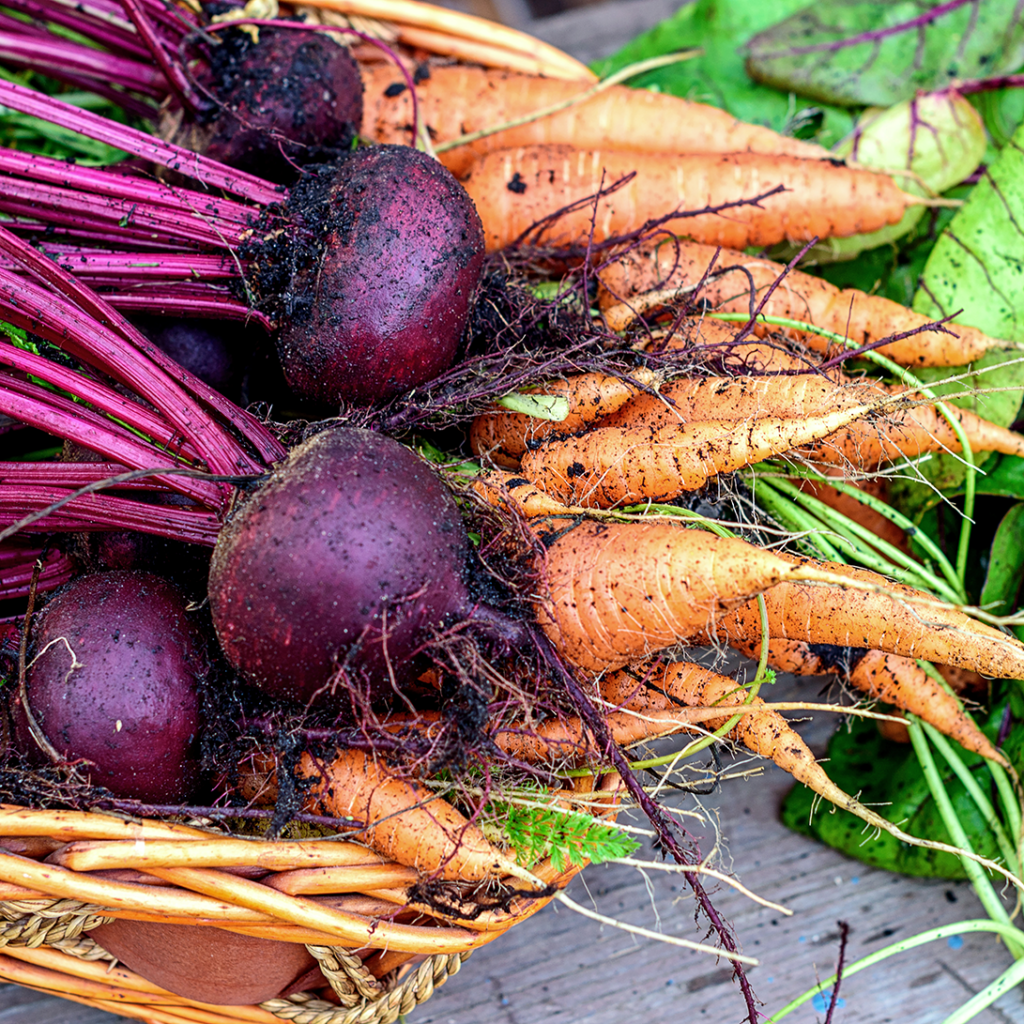
- Look for a fiber focused whole food supplement containing oat, beet and carrot fiber, paired with organic beet root, sweet potato, rice bran, apple pectin and carrot.
- Find a whole food-based supplement containing gut supporting botanicals such as psyllium seed husk, fennel seed, fenugreek seed, BeniCaros soluble carrot fiber*, apple pectin and Collinsonia root.
*BeniCaros soluble carrot fiber has a structure that is just right for selective stimulation of a diverse range of beneficial organisms to support a healthy gut.
Did you know WholisticMatters is powered by Standard Process? Learn more about Standard Process’ whole food-based nutrition philosophy.

Locate Professional Health Solutions Nearby
Looking for high-quality, practitioner-recommended health solutions? Locate authorized Standard Process practitioners in your area and gain access to premium health services to support your wellness journey.
Find A Participating Practitioner
- Thompson HJ. The Dietary Guidelines for Americans (2020–2025): Pulses, Dietary Fiber, and Chronic Disease Risk—A Call for Clarity and Action. Nutrients. 2021 Nov 12;13(11)doi:10.3390/nu13114034
- Kaur K. Application and Challenges of Using Probiotic Lactobacillus and Bifidobacterium to Enhance Overall Health and Manage Diseases. Diseases. 2025 Oct 17;13(10)doi:10.3390/diseases13100345