
Micronutrients & Phytochemicals
Learn about the essential role of micronutrients and phytochemicals in maintaining health. Discover their benefits, sources, and how to incorporate them into your patient dietary protocols for optimal health outcomes.
Turnip Greens: Whole Food Profile
WholisticMatters
(5 min read)
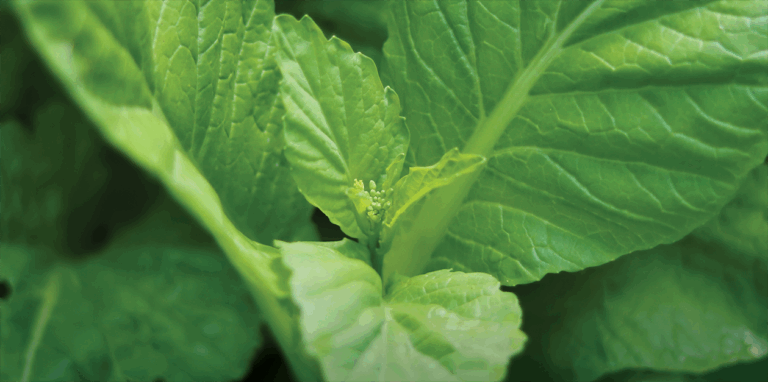
Turnip greens come from the leaves of root vegetable Brassica rapa subsp. rapa and are a particularly rich source of vitamins K, E, A and B6 as well as naturally occurring folate and phytoactive compound lutein. The dry leaves from turnips are also a rich source of glucosinolates and the activating enzyme myrosinase.
Key Nutrients
Percentages shown as %DV per serving of 5.68g turnip greens.
Key Phytonutrients
Glucosinolates
Sulfur-containing secondary metabolites found in cruciferous vegetables, associated with antioxidant activity such as cardio-protection and detoxification support.
Flavonols
Promote antioxidant activity and vascular health
Kaempferol (31.7 mcg/g)*
Quercetin (4.9 mcg/g)*
Myrosinase
Enzyme found in plant tissue that initiates conversion of glucosinolates to bioactive isothiocyanates
Potential antioxidant compound with anti-cancer potential
Chloryphyll
Green pigment in plants with potential anti-inflammatory, antioxidant, and anti-bacterial activity
Carotenoids
Antioxidants with anti-cancer potential; may lower risk of macular degeneration
Beta-carotene(220.8 mcg/g)**
Lutein (363mcg/g)**
Zeaxanthin (30mcg/g)**
Total Phenolic Content
The phenolic compounds in turnip greens, including ellagic acid, support the B vitamin content in the vegetable to provide strong anti-inflammatory, cardiovascular and nervous system benefit.
Total Phenolics 16.9 mg/g**
*Data is mean values from Phenol-Explorer Database1
**Data on file with WholisticMatters. Values subject to change based on strain and experimental methods
Did you know WholisticMatters is powered by Standard Process? Learn more about Standard Process’ whole food-based nutrition philosophy.
Learn More
Download PDF
Read Article
Swiss Chard: Whole Food Profile
WholisticMatters
(5 min read)
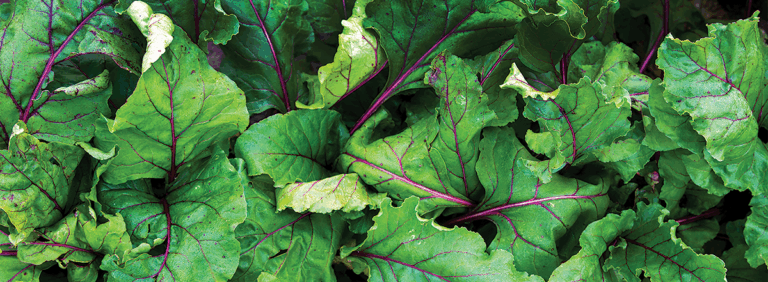
Dark leafy greens with vibrantly colored stems and veins are trademark features of Swiss chard (Beta vulgaris L. subsp. cicla). This plant is a mineral delivery powerhouse.
Key Nutrients
Percentages shown as %DV per serving of 5g dry Swiss chard extract.
Key Phytonutrients
Chlorophyll
Green pigment in plants with potential anti-inflammatory, antioxidant, and anti-bacterial activity
Flavonols
Promote antioxidant activity and vascular health
Kaempferol(92 mcg/g)*
Quercetin(75 mcg/g)*
Lignans
Polyphenolic compounds metabolized by gut bacteria that support antioxidant activity.
Betalains
Red pigments with antioxidant, anti-cancer, anti-lipidemic, and antimicrobial properties
Carotenoids
Yellow and green antioxidants with anti-cancer potential and may lower risk of macular degeneration
Lutein (145 mg/g)**
Zeaxanthin(10.6 mg/g)**
Beta-carotene (52.26 mg/g)**
Total Phenolic Content
The phenolic compounds in turnip greens, including ellagic acid, support the B vitamin content in the vegetable to provide strong anti-inflammatory, cardiovascular and nervous system benefit.
Total Phenolics 16.9 mg/g**
*Data is mean values from Phenol-Explorer Database1
**Data on file with WholisticMatters. Values subject to change based on strain and experimental methods
Did you know WholisticMatters is powered by Standard Process? Learn more about Standard Process’ whole food-based nutrition philosophy.
Learn More
Download PDF
Read Article
Spanish Black Radish: Whole Food Profile
WholisticMatters
(5 min read)
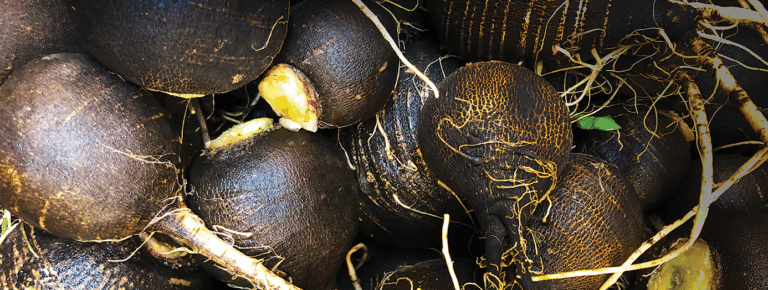
Spanish Black Radish (Raphanus sativus L. Var. niger) is a cruciferous vegetable associated with the production of detoxification enzymes, healthy digestion, and healthy liver and gallbladder function. Spanish black radish is grown for its rich supply of glucosinolates.
Key Nutrients
Percentages shown as %DV per serving of 5.5g Spanish black radish.
Key Phytonutrients
Glucosinolates
Sulfur-containing secondary metabolites found in cruciferous vegetables, associated with antioxidant activity such as cardio-protection and detoxification support effects.
Glucoraphasatin (powerful glucosinolate unique to radish)
Saponins
Compounds that support the immune system, healthy cholesterol levels, and blood glucose levels
Tannins
Large set of diverse phenolic compounds found in plants that contribute to antioxidant activity, antimicrobial action, and distinct dark color
Myrosinase
Enzyme found in plant tissue that initiates conversion of glucosinolates to bioactive isothiocyanates
Total Phenolic Content
The total phenolic content, including glucosinolate-derived compounds, supports detoxification, improves digestion, and helps regulate cholesterol through antioxidant and liver enzyme-supportive actions.
Total Phenolics 12.6mg/g**
*Data is mean values from Phenol-Explorer Database1
**Data on file with WholisticMatters. Values subject to change based on strain and experimental methods
Did you know WholisticMatters is powered by Standard Process? Learn more about Standard Process’ whole food-based nutrition philosophy.
Learn More
Download PDF
Read Article
Peavine: Whole Food Profile
WholisticMatters
(5 min read)
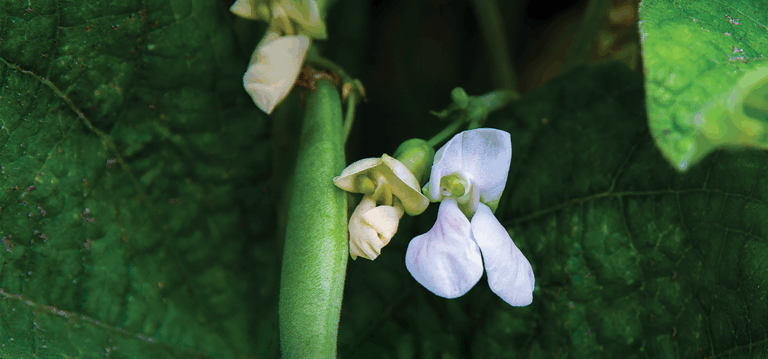
The squeezed juice from the combined pods, vines, leaves, and stems of the common pea (Pisum sativum) is a nutritionally packed source of essential vitamins and a significant source for phenolic compounds.
Key Nutrients
Percentages shown as %DV per serving of 5g peavine juice extract.
Key Phytonutrients
Chlorophyll
Green pigment in plants with potential anti-inflammatory, antioxidant, and anti-bacterial activity
Flavonols
Promote antioxidant, anti-cancer, vascular, and anti-inflammatory activity
Kaempferol
Quercetin
Lignans
Polyphenolic compounds metabolized by gut bacteria that support antioxidant activity
Saponins
Support the immune system, healthy cholesterol levels, and blood glucose levels
Carotenoids
Antioxidants with anti-cancer potential and may lower risk of macular degeneration
Lutein (7.22 mcg/g)**
Zeaxanthin (0.39 mcg/g)**
Total Phenolic Content
Contains phenolic antioxidants that support endocrine balance, assist kidney function, and aid liver detoxification processes.
Total Phenolics 33.9mg/g**
*Data is mean values from Phenol-Explorer Database1
**Data on file with WholisticMatters. Values subject to change based on strain and experimental methods
Did you know WholisticMatters is powered by Standard Process? Learn more about Standard Process’ whole food-based nutrition philosophy.
Learn More
Read Article

Kidney Bean: Whole Food Profile
WholisticMatters
(5 min read)
The fruits and aerial parts of the common kidney bean (Phaseolus vulgaris) are rich with key vitamins and minerals, including magnesium, folate, thiamin and iron, that support kidney, immune, and liver function.
Key Nutrients
Percentages shown as %DV per serving of 5g kidney bean juice extract.
Phytoactives in Kidney Bean
Saponins
Support the immune system, healthy cholesterol levels, and blood glucose levels
Chlorophyll
Green pigment in plants with potential anti-inflammatory, antioxidant, and anti-bacterial activity
Lignans
Polyphenolic compounds metabolized by gut bacteria that support antioxidant activity
Phenolic Acids
Compounds that promote antioxidant activity and vascular health
Isoflavonoids
Phenolic compounds with direct antioxidant effects
Flavonols
Promote antioxidant activity, vascular health, anti-cancer, antimicrobial, and anti-inflammatory
Kaempferol
Quercetin
Rutin
Total Phenolic Content
The total phenolic compounds, such as flavonoids and tannins, support kidney and liver function while enhancing immune response through antioxidant protection.
Total Phenolics 24.6mg/g**
*Data is mean values from Phenol-Explorer Database1
**Data on file with WholisticMatters. Values subject to change based on strain and experimental methods
Did you know WholisticMatters is powered by Standard Process? Learn more about Standard Process’ whole food-based nutrition philosophy.
Learn More
Read Article
Brussels Sprouts: Whole Food Profile
WholisticMatters
(5 min read)
Brussels sprouts (Brassica oleracea L. var. gemmifera) are a cruciferous vegetable associated with production of detoxification enzymes, antioxidant properties, cardiovascular protection, and anti-carcinogenic activity. Brussels sprouts are a staple vegetable in healthy diets, grown for their rich supply of glucosinolates and nutrients.
Key Nutrients
Percentages shown as %DV per freeze dried serving of 21.4g Brussels (equal to 1 cup fresh chopped)
Key Phytonutrients
Flavones
Compounds with anti-inflammatory, antimicrobial, and anti-cancer activity
Carotenoids
Yellow and green antioxidants with anti-cancer potential and may lower risk of macular degeneration
Lutein (11.8 mcg/g)**
Beta-carotene(30.2 mcg/g)**
Chlorophyll
Green pigment in plants with potential anti-inflammatory, antioxidant, and anti-bacterial activity
Glucosinolates
Sulfur-containing secondary metabolites found in cruciferous vegetables, associated with antioxidant activity such as cardio-protection and detoxification support
Lignans
Polyphenolic compounds metabolized by gut bacteria that support antioxidant activity
Enzyme found in plant tissue that initiates conversion of glucosinolates to bioactive isothiocyanates
Flavonols
Promote antioxidant activity and vascular health
Kaempferol (9.5 mcg/g)*
Quercetin(3.0 mcg/g)*
Total Phenolic Content
Contain flavonoids and phenolic compounds that enhance liver detox enzyme activity, support endocrine balance, and promote healthy digestion through antioxidant and anti-inflammatory effects.
Total Phenolics 7.6mg/g**
*Data is mean values from Phenol-Explorer Database1
**Data on file with WholisticMatters. Values subject to change based on strain and experimental methods
Did you know WholisticMatters is powered by Standard Process? Learn more about Standard Process’ whole food-based nutrition philosophy.
Learn More
Read Article
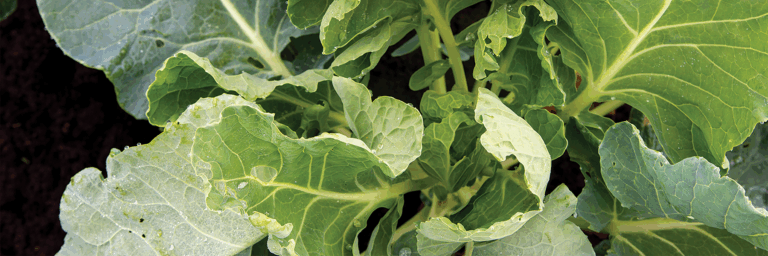
Beetroot: Whole Food Profile
WholisticMatters
(5 min read)
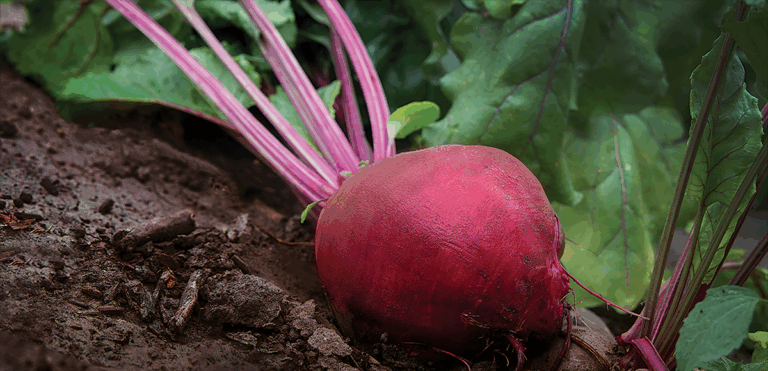
Red table beets (Beta vulgaris L. var. rubra) are the deep red root vegetable loaded with unique phytoactive compounds, vitamins and minerals that are responsible for the root’s renowned cardiovascular benefits.
Key Nutrients
Percentages shown as %DV per dry serving of 17g beetroot powder (approx. 5 whole beets)
Key Phytonutrients
Flavones
Compounds with anti-inflammatory, antimicrobial, and anti-cancer activity
Nitrate
Supports exercise performance and cardiovascular health
Betalains
Red pigments demonstrating anti-inflammatory and cardioprotective effects
Lignans
Polyphenolic compounds metabolized by gut bacteria that support antioxidant activity
Flavonols
Promote antioxidant activity and vascular health
Total Phenolic Content
Rich in phenolic acids and betalains, beets support liver detoxification and bile flow while providing antioxidant protection that benefits cardiovascular circulatory and digestive health.
Total Phenolics 7.2mg/g**
*Data is mean values from Phenol-Explorer Database1
**Data on file with WholisticMatters. Values subject to change based on strain and experimental methods
Did you know WholisticMatters is powered by Standard Process? Learn more about Standard Process’ whole food-based nutrition philosophy.
Learn More
Read Article
WholisticMatters
(5 min read)
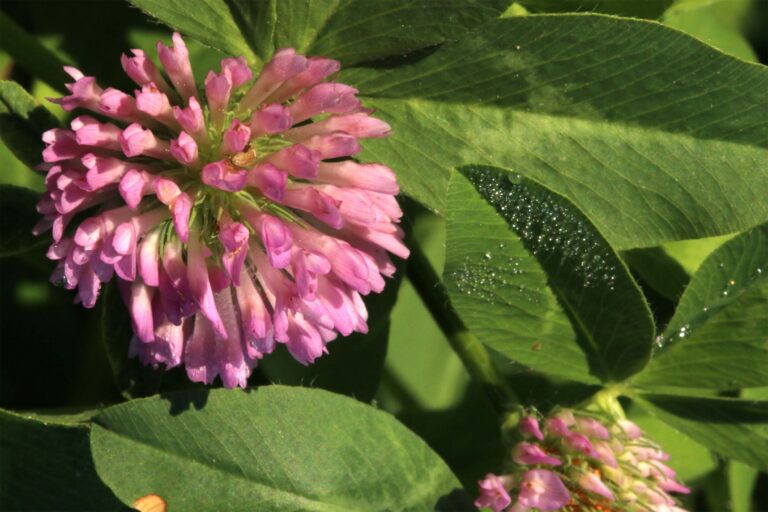
Red Clover: Whole Food Profile
WholisticMatters
(5 min read)
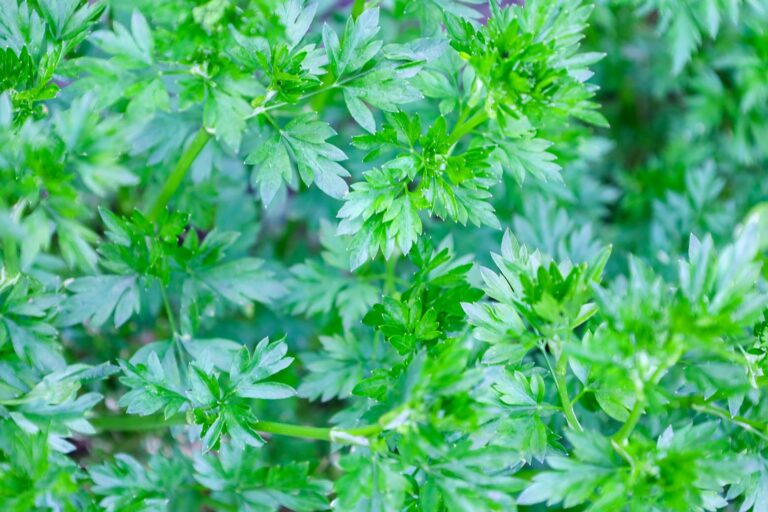
Parsley: Whole Food Profile
WholisticMatters
(0 min read)
Color of Food References
WholisticMatters
(5 min read)
Turnip Greens: Whole Food Profile
WholisticMatters
(5 min read)
Swiss Chard: Whole Food Profile
WholisticMatters
(5 min read)
Spanish Black Radish: Whole Food Profile
WholisticMatters
(5 min read)
Peavine: Whole Food Profile
WholisticMatters
(5 min read)
Kidney Bean: Whole Food Profile
WholisticMatters
(5 min read)
Brussels Sprouts: Whole Food Profile
WholisticMatters
(5 min read)
Beetroot: Whole Food Profile
WholisticMatters
(5 min read)
Red Clover: Whole Food Profile
WholisticMatters
(5 min read)
Parsley: Whole Food Profile
WholisticMatters
(0 min read)
Color of Food References
WholisticMatters
(5 min read)
Turnip Greens: Whole Food Profile
WholisticMatters
(5 min read)
Swiss Chard: Whole Food Profile
WholisticMatters
(5 min read)
Spanish Black Radish: Whole Food Profile