Color of Food References
The following is a list of references used the Color of Food booklet, created by the Clinical Education Team at Standard Process for WholisticMatters.
Color of Food Booklet References
- Mendoza JA, Drewnowski A, Christakis DA. Dietary Energy Density Is Associated With Obesity and the Metabolic Syndrome in U.S. Adults. Diabetes Care. 2007;30(4):974-979. doi:10.2337/dc06-2188
- García-Blanco L, de la OV, Santiago S, Pouso A, Martínez-González M, Martín-Calvo N. High consumption of ultra-processed foods is associated with increased risk of micronutrient inadequacy in children: The SENDO project. Eur J Pediatr. Aug 2023;182(8):3537-3547. doi:10.1007/s00431-023-05026-9
- Lila, M. A., & Raskin, I. (2005). Health‐related interactions of phytochemicals.Journal of food science, 70(1), R20-R27.
- Lila, M. A. (2007). From beans to berries and beyond: Teamwork between plant chemicals for protection of optimal human health. Annals of the New York academy of Sciences, 1114(1), 372-380.
- Nicklas, T. A., Drewnowski, A., & O’Neil, C. E. (2014). The nutrient density approach to healthy eating: challenges and opportunities. Public health nutrition, 17(12), 2626-2636.
- Wang, X., Ouyang, Y., Liu, J., Zhu, M., Zhao, G., Bao, W., & Hu, F. B. (2014). Fruit and vegetable consumption and mortality from all causes, cardiovascular disease, and cancer: systematic review and dose-response meta-analysis of prospective cohort studies. Bmj, 349.
- Monjotin, N., Amiot, M. J., Fleurentin, J., Morel, J. M., & Raynal, S. (2022). Clinical evidence of the benefits of phytonutrients in human healthcare. Nutrients, 14(9), 1712.
- Rahman, M. M., Rahaman, M. S., Islam, M. R., Rahman, F., Mithi, F. M., Alqahtani, T., … & Uddin, M. S. (2021). Role of phenolic compounds in human disease: current knowledge and future prospects. Molecules, 27(1), 233.
- World Health Organization (WHO, & UNICEF. (2006). Preventing and controlling micronutrient deficiencies in populations affected by an emergency. In Preventing and controlling micronutrient deficiencies in populations affected by an emergency(pp. 2-2).
- National Center for Health Statistics (NCHS). 2008. National Health and Nutrition Examination Survey Data 2005-2006. Hyattsville, MD: U.S. Department of Health and Human Services, Centers for Disease Control and Prevention.
- National Center for Health Statistics (NCHS). 2007. National Health and Nutrition Examination Survey Data 2003-2004. Hyattsville, MD: U.S. Department of Health and Human Services, Centers for Disease Control and Prevention.
- Dietary Guidelines Advisory Committee. 2015. Scientific Report of the 2015 Dietary Guidelines Advisory Committee: Advisory Report to the Secretary of Health and Human Services and the Secretary of Agriculture. U.S. Department of Agriculture, Agricultural Research Service, Washington, DC.
- S. Department of Agriculture, Agricultural Research Service, Beltsville Human Nutrition Research Center, Food Surveys Research Group (Beltsville, MD) and U.S. Department of Health and Human Services, Centers for Disease Control and Prevention, National Center for Health Statistics (Hyattsville, MD). What We Eat in America, NHANES 2007-2010.
- Bhardwaj, R. L., Parashar, A., Parewa, H. P., & Vyas, L. (2024). An alarming decline in the nutritional quality of foods: The biggest challenge for future generations’ health. Foods, 13(6), 877.
- Drewnowski, A. (2009). Defining Nutrient Density: Development and Validation of the Nutrient Rich Foods Index. Journal of the American College of Nutrition, 28(4), 421S-426S. https://doi.org/10.1080/07315724.2009.10718106
Color of Food Color Wheel References
- Ma X, Jin Z, Rao Z, Zheng L. Health benefits of anthocyanins against age-related diseases. Front Nutr. 2025;12:1618072. doi:10.3389/fnut.2025.1618072
- Khoo HE, Azlan A, Tang ST, Lim SM. Anthocyanidins and anthocyanins: colored pigments as food, pharmaceutical ingredients, and the potential health benefits. Food Nutr Res. 2017;61(1):1361779. doi:10.1080/16546628.2017.1361779
- Cappellini F, Marinelli A, Toccaceli M, Tonelli C, Petroni K. Anthocyanins: from mechanisms of regulation in plants to health benefits in foods. Frontiers in Plant Science. 2021;12:748049.
- Meng X, Zhou J, Zhao CN, Gan RY, Li HB. Health Benefits and Molecular Mechanisms of Resveratrol: A Narrative Review. Foods. Mar 14 2020;9(3)doi:10.3390/foods9030340
- Al-Khayri JM, Mascarenhas R, Harish HM, et al. Stilbenes, a Versatile Class of Natural Metabolites for Inflammation-An Overview. Molecules. Apr 28 2023;28(9)doi:10.3390/molecules28093786
- Ye H, Sun J, He L, Ai C, Jin W, Abd El-Aty A. Beneficial effects of proanthocyanidins on skin aging: a review. Frontiers in Nutrition. 2025;12:1650328.
- Baldelli S, Lombardo M, D’Amato A, Karav S, Tripodi G, Aiello G. Glucosinolates in Human Health: Metabolic Pathways, Bioavailability, and Potential in Chronic Disease Prevention. Foods. Mar 7 2025;14(6)doi:10.3390/foods14060912
- Olayanju JB, Bozic D, Naidoo U, Sadik OA. A Comparative Review of Key Isothiocyanates and Their Health Benefits. Nutrients. Mar 7 2024;16(6)doi:10.3390/nu16060757
- Harahap IA, Suliburska J. An overview of dietary isoflavones on bone health: The association between calcium bioavailability and gut microbiota modulation. Materials Today: Proceedings. 2022/01/01/ 2022;63:S368-S372. doi:https://doi.org/10.1016/j.matpr.2022.03.549
- Musial C, Kuban-Jankowska A, Gorska-Ponikowska M. Beneficial Properties of Green Tea Catechins. Int J Mol Sci. Mar 4 2020;21(5)doi:10.3390/ijms21051744
- Vezza T, Canet F, de Marañón AM, Bañuls C, Rocha M, Víctor VM. Phytosterols: Nutritional Health Players in the Management of Obesity and Its Related Disorders. Antioxidants (Basel). Dec 12 2020;9(12)doi:10.3390/antiox9121266
- Lem DW, Davey PG, Gierhart DL, Rosen RB. A Systematic Review of Carotenoids in the Management of Age-Related Macular Degeneration. Antioxidants (Basel). Aug 5 2021;10(8)doi:10.3390/antiox10081255
- Eroglu A, Al’Abri IS, Kopec RE, Crook N, Bohn T. Carotenoids and Their Health Benefits as Derived via Their Interactions with Gut Microbiota. Advances in Nutrition. 2023/03/01/ 2023;14(2):238-255. doi:https://doi.org/10.1016/j.advnut.2022.10.007
- Bufka J, Vaňková L, Sýkora J, Křížková V. Exploring carotenoids: Metabolism, antioxidants, and impacts on human health. Journal of Functional Foods. 2024/07/01/ 2024;118:106284. doi:https://doi.org/10.1016/j.jff.2024.106284
- Tan Q, Chen B, Wu C, Shao T. Exploring the potential nutritional role of bioflavonoids in exercise rehabilitation: a kinematic perspective. Front Nutr. 2023;10:1221800. doi:10.3389/fnut.2023.1221800
- Medina-García M, Baeza-Morales A, Martínez-Peinado P, et al. Carotenoids and Their Interaction with the Immune System. Antioxidants (Basel). Sep 12 2025;14(9)doi:10.3390/antiox14091111
- Guggenheim AG, Wright KM, Zwickey HL. Immune Modulation From Five Major Mushrooms: Application to Integrative Oncology. Integr Med (Encinitas). Feb 2014;13(1):32-44.
- El-Saadony MT, Saad AM, Korma SA, et al. Garlic bioactive substances and their therapeutic applications for improving human health: a comprehensive review. Frontiers in immunology. 2024;15:1277074.
- Sánchez-Gloria JL, Arellano-Buendía AS, Juárez-Rojas JG, et al. Cellular Mechanisms Underlying the Cardioprotective Role of Allicin on Cardiovascular Diseases. Int J Mol Sci. Aug 13 2022;23(16)doi:10.3390/ijms23169082
- Rai SN, Mishra D, Singh P, Vamanu E, Singh MP. Therapeutic applications of mushrooms and their biomolecules along with a glimpse of in silico approach in neurodegenerative diseases. Biomedicine & Pharmacotherapy. 2021/05/01/ 2021;137:111377. doi:https://doi.org/10.1016/j.biopha.2021.111377
- Chugh RM, Mittal P, Mp N, et al. Fungal Mushrooms: A Natural Compound With Therapeutic Applications. Front Pharmacol. 2022;13:925387. doi:10.3389/fphar.2022.925387
Plant Profile References
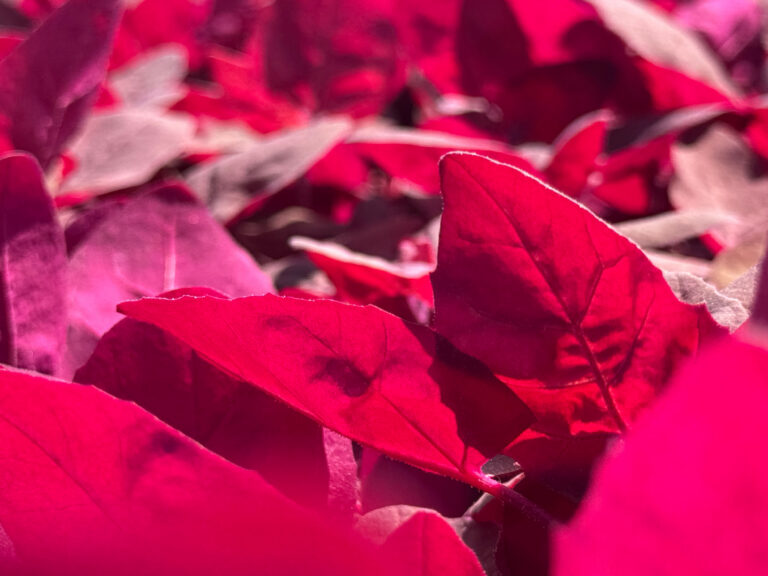
Mountain Spinach
- Clifford, T., et al., The potential benefits of red beetroot supplementation in health and disease. Nutrients, 2015. 7(4): p. 2801-2822.
- Rothwell, J.A., et al., Phenol-Explorer 3.0: a major update of the Phenol-Explorer database to incorporate data on the effects of food processing on polyphenol content. Database, 2013. 2013: p. bat070-bat070.
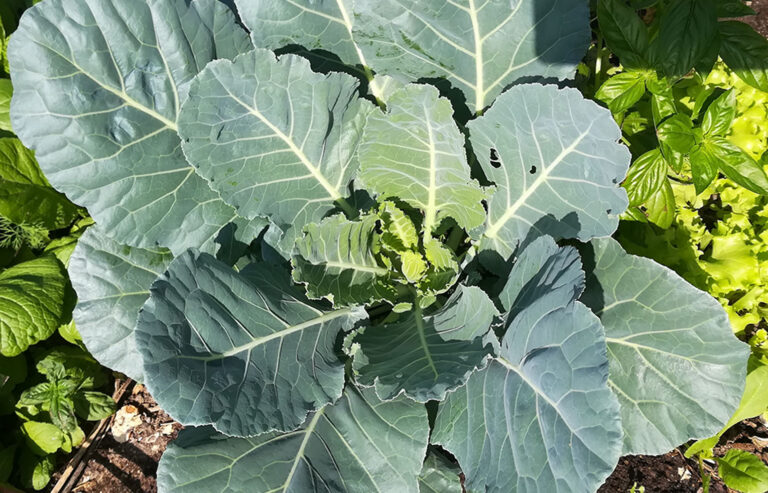
Collard Greens
- Clifford, T., et al., The potential benefits of red beetroot supplementation in health and disease. Nutrients, 2015. 7(4): p. 2801-2822.
- Rothwell, J.A., et al., Phenol-Explorer 3.0: a major update of the Phenol-Explorer database to incorporate data on the effects of food processing on polyphenol content. Database, 2013. 2013: p. bat070-bat070.
Royal Ancient Oats TM Flour
- Clifford, T., et al., The potential benefits of red beetroot supplementation in health and disease. Nutrients, 2015. 7(4): p. 2801-2822.
- Rothwell, J.A., et al., Phenol-Explorer 3.0: a major update of the Phenol-Explorer database to incorporate data on the effects of food processing on polyphenol content. Database, 2013. 2013: p. bat070-bat070.
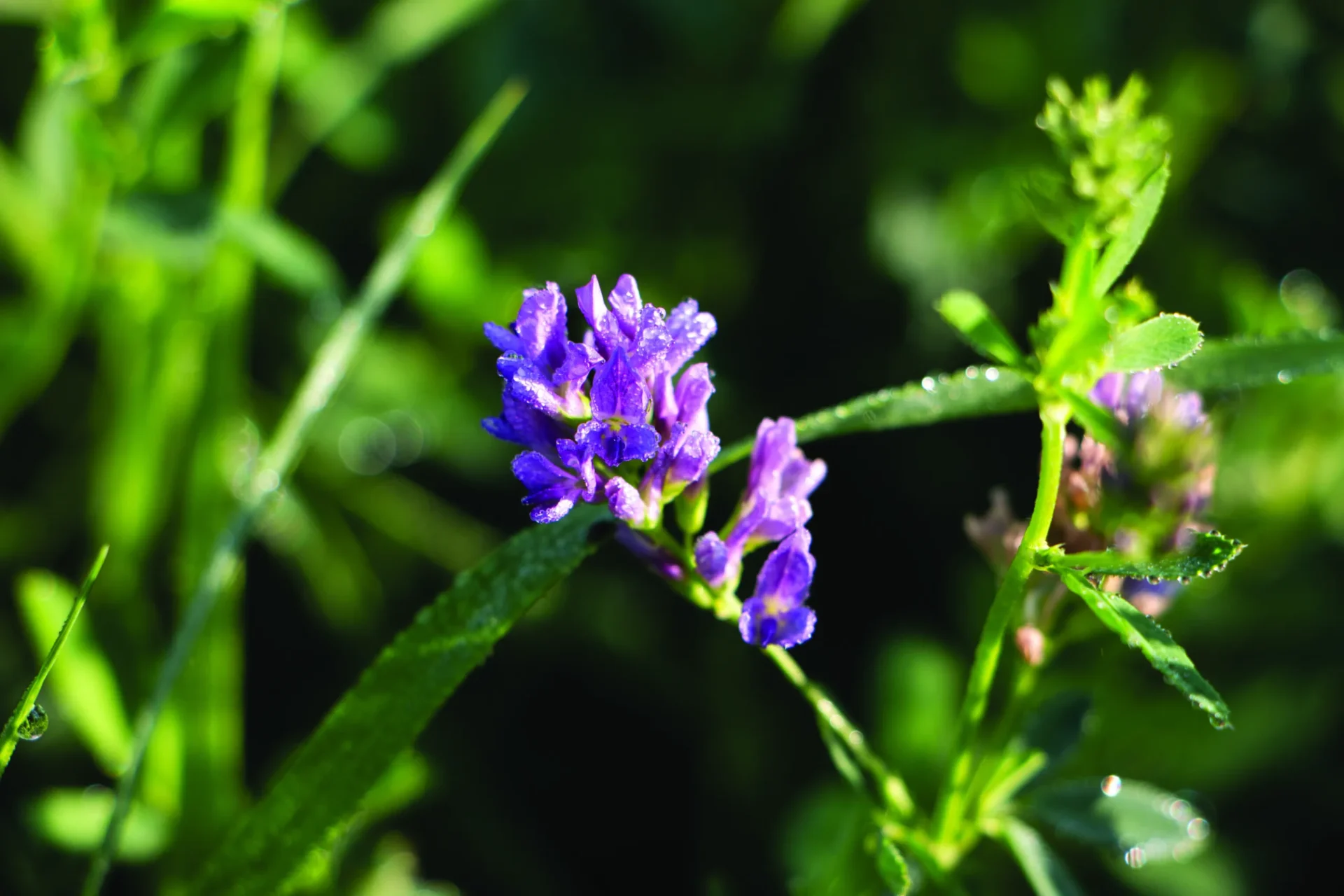
Alfalfa
- Bora, K.S. and A. Sharma, Phytochemical and pharmacological potential of Medicago sativa: a review. Pharm Biol, 2011. 49(2): p. 211-20.
- Rafinska, K., et al., Medicago sativa as a source of secondary metabolites for agriculture and pharmaceutical industry. Phytochemistry Letters, 2017. 20: p. 520-539.
- Rothwell, J.A., et al., Phenol-Explorer 3.0: a major update of the Phenol-Explorer database to incorporate data on the effects of food processing on polyphenol content. Database, 2013. 2013: p. bat070-bat070.
- Stochmal, A., et al., Alfalfa (Medicago sativa L.) Flavonoids. 1. Apigenin and Luteolin Glycosides from Aerial Parts. Journal of Agricultural and Food Chemistry, 2001. 49(2): p. 753-758.
Barley Grass
- Rothwell, J.A., et al., Phenol-Explorer 3.0: a major update of the Phenol-Explorer database to incorporate data on the effects of food processing on polyphenol content. Database, 2013. 2013: p. bat070-bat070.
- Kim, H., H.-D. Hong, and K.-S. Shin, Structure elucidation of an immunostimulatory arabinoxylan-type polysaccharide prepared from young barley leaves (Hordeum vulgare L.). Carbohydrate polymers, 2017. 157: p. 282-293.
- Byun, A.R., et al., Effects of a Dietary Supplement with Barley Sprout Extract on Blood Cholesterol Metabolism. Evidence-Based Complementary and Alternative Medicine, 2015. 2015: p. 7.
- Benedet, J.A., H. Umeda, and T. Shibamoto, Antioxidant activity of flavonoids isolated from young green barley leaves toward biological lipid samples. Journal of agricultural and food chemistry, 2007. 55(14): p. 5499-5504.
Beetroot
- Clifford, T., et al., The potential benefits of red beetroot supplementation in health and disease. Nutrients, 2015. 7(4): p. 2801-2822.
- Rothwell, J.A., et al., Phenol-Explorer 3.0: a major update of the Phenol-Explorer database to incorporate data on the effects of food processing on polyphenol content. Database, 2013. 2013: p. bat070-bat070.
Brussels Sprouts
- Rothwell, J.A., et al., Phenol-Explorer 3.0: a major update of the Phenol-Explorer database to incorporate data on the effects of food processing on polyphenol content. Database, 2013. 2013: p. bat070-bat070.
Buckwheat
- Rothwell, J.A., et al., Phenol-Explorer 3.0: a major update of the Phenol-Explorer database to incorporate data on the effects of food processing on polyphenol content. Database, 2013. 2013: p. bat070-bat070.
Kale
- Rothwell, J.A., et al., Phenol-Explorer 3.0: a major update of the Phenol-Explorer database to incorporate data on the effects of food processing on polyphenol content. Database, 2013. 2013: p. bat070-bat070.
Kidney Beans
- Lloyd CM, Marsland BJ. Lung Homeostasis: Influence of Age, Microbes, and the Immune System. Immunity. 2017;46(4):549-61. doi: https://doi.org/10.1016/j.immuni.2017.04.005.
- Ramabulana, T., Mavunda, R. D., Steenkamp, P. A., Piater, L. A., Dubery, I. A., & Madala, N. E. (2015). Secondary metabolite perturbations in Phaseolus vulgaris leaves due to gamma radiation. Plant Physiology and Biochemistry, 97, 287-295. doi:https://doi.org/10.1016/j.plaphy.2015.10.018
- Rothwell, J.A., et al., Phenol-Explorer 3.0: a major update of the Phenol-Explorer database to incorporate data on the effects of food processing on polyphenol content.
- Database, 2013. 2013: p. bat070-bat070.
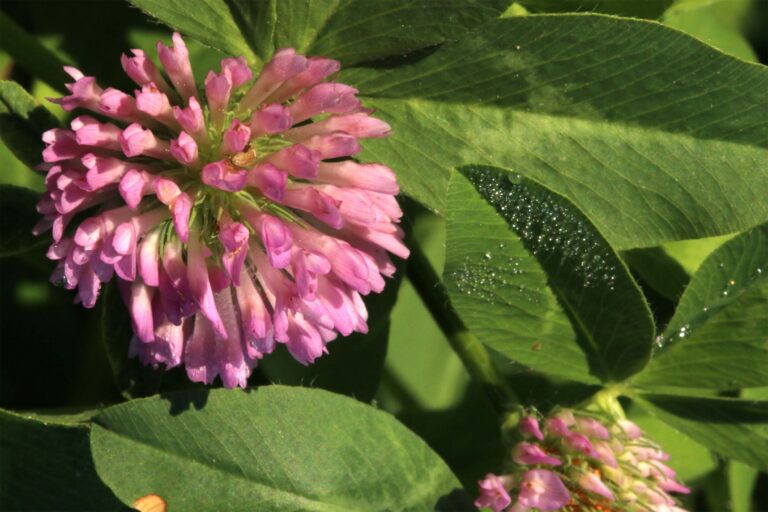
Red Clover
- Clifford, T., et al., The potential benefits of red beetroot supplementation in health and disease. Nutrients, 2015. 7(4): p. 2801-2822.
- Rothwell, J.A., et al., Phenol-Explorer 3.0: a major update of the Phenol-Explorer database to incorporate data on the effects of food processing on polyphenol content. Database, 2013. 2013: p. bat070-bat070.
Peavine
- Jin, A., Ozga, J. A., Lopes-Lutz, D., Schieber, A., & Reinecke, D. M. (2012). Characterization of proanthocyanidins in pea (Pisum sativum L.), lentil (Lens culinaris L.), and faba bean (Vicia faba L.) seeds.
- Food Research International, 46(2), 528-535. doi:https://doi.org/10.1016/j.foodres.2011.11.018
- Neugart, S., Rohn, S., & Schreiner, M. (2015). Identification of complex, naturally occurring flavonoid glycosides in Vicia faba and Pisum sativum leaves by HPLC-DAD-ESI-MSn and the genotypic effect on their flavonoid profile. Food Research International, 76, 114- 121. doi:https://doi.org/10.1016/j.foodres.2015.02.021
- Reim, V., & Rohn, S. (2015). Characterization of saponins in peas (Pisum sativum L.) by HPTLC coupled to mass spectrometry and a hemolysis assay. Food Research International, 76, 3-10. doi:https://doi.org/10.1016/j.foodres.2014.06.043
- Rothwell, J.A., et al., Phenol-Explorer 3.0: a major update of the Phenol-Explorer database to incorporate data on the effects of food processing on polyphenol content.
- Database, 2013. 2013: p. bat070-bat070.
Spanish Black Radish
- Janjua, S. and M. Shahid, Phytochemical analysis and in vitro antibacterial activity of root peel extract of Raphanus sativus L. var niger. Advancement in Medicinal Plant Research, 2013. 1(1): p. 1-7.
- Rothwell, J.A., et al., Phenol-Explorer 3.0: a major update of the Phenol-Explorer database to incorporate data on the effects of food processing on polyphenol content. Database, 2013. 2013: p. bat070-bat070.
Swiss Chard
- Kugler, F., F.C. Stintzing, and R. Carle, Identification of betalains from petioles of differently colored Swiss chard (Beta vulgaris L. ssp. Cicla [L.] Alef. Cv. Bright Lights) by high-performance liquid chromatography – electrospray ionization mass spectrometry. Journal of Agricultural and Food Chemistry, 2004. 52(10): p. 2975-2981.
- Rothwell, J.A., et al., Phenol-Explorer 3.0: a major update of the Phenol-Explorer database to incorporate data on the effects of food processing on polyphenol content. Database, 2013. 2013: p. bat070-bat070.
Turnip Greens
- Rothwell, J.A., et al., Phenol-Explorer 3.0: a major update of the Phenol-Explorer database to incorporate data on the effects of food processing on polyphenol content. Database, 2013. 2013: p. bat070-bat070.
Parsley
- Clifford, T., et al., The potential benefits of red beetroot supplementation in health and disease. Nutrients, 2015. 7(4): p. 2801-2822.
- Rothwell, J.A., et al., Phenol-Explorer 3.0: a major update of the Phenol-Explorer database to incorporate data on the effects of food processing on polyphenol content. Database, 2013. 2013: p. bat070-bat070.
- Data is mean values from Phenol-Explorer Database1 ** Data on file with WholisticMatters
Values subject to change based on strain and experimental methods
Did you know WholisticMatters is powered by Standard Process? Learn more about Standard Process’ whole food-based nutrition philosophy.