Peavine: Whole Food Profile
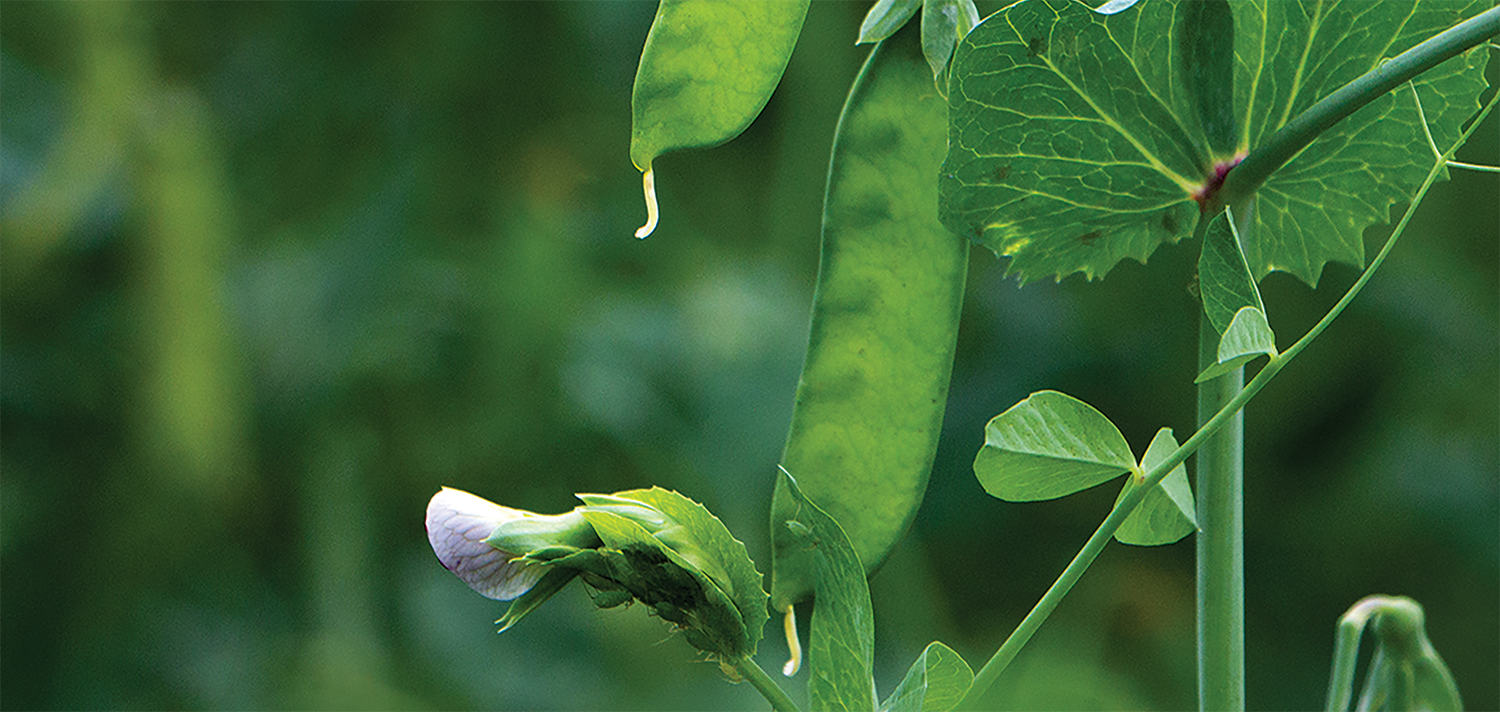
The squeezed juice from the combined pods, vines, leaves, and stems of the common pea (Pisum sativum) is a nutritionally packed source of essential vitamins and a significant source for phenolic compounds.
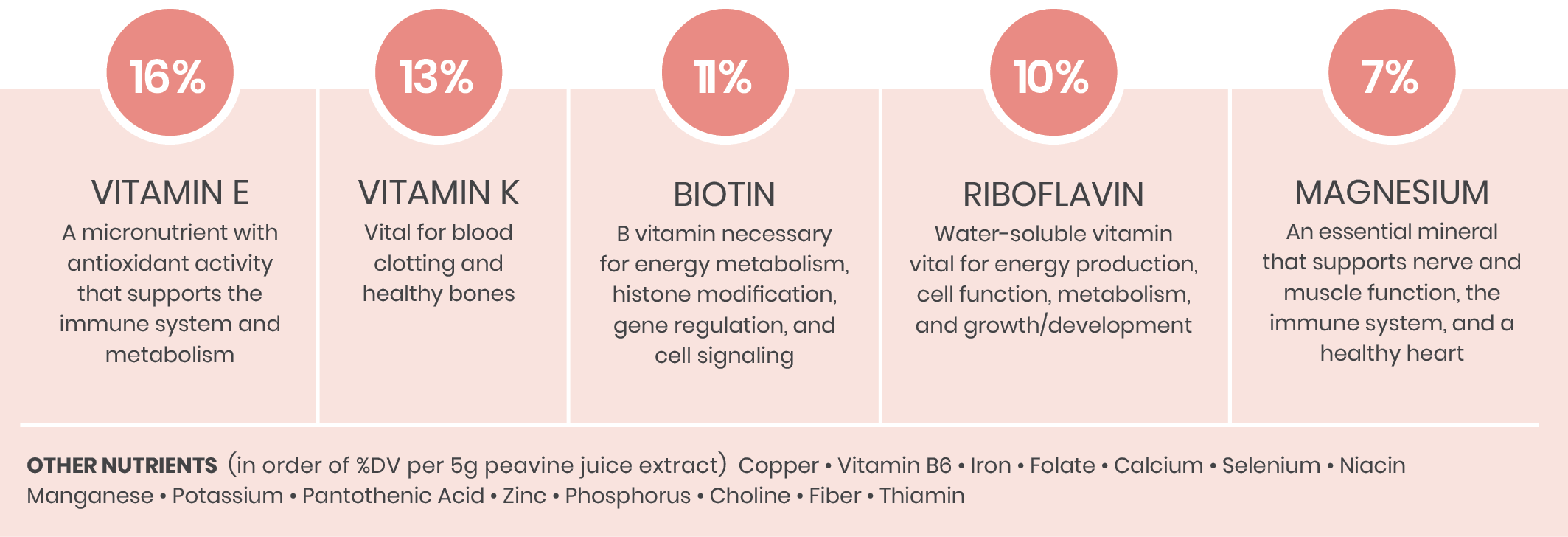
Key Nutrients
Percentages shown as %DV per serving of 5g peavine juice extract.
Key Phytonutrients
Chlorophyll
Green pigment in plants with potential anti-inflammatory, antioxidant, and anti-bacterial activity
Flavonols
Promote antioxidant, anti-cancer, vascular, and anti-inflammatory activity
- Kaempferol
- Quercetin
Lignans
Polyphenolic compounds metabolized by gut bacteria that support antioxidant activity
Saponins
Support the immune system, healthy cholesterol levels, and blood glucose levels
Carotenoids
Antioxidants with anti-cancer potential and may lower risk of macular degeneration
- Lutein (7.22 mcg/g)**
- Zeaxanthin (0.39 mcg/g)**
Total Phenolic Content
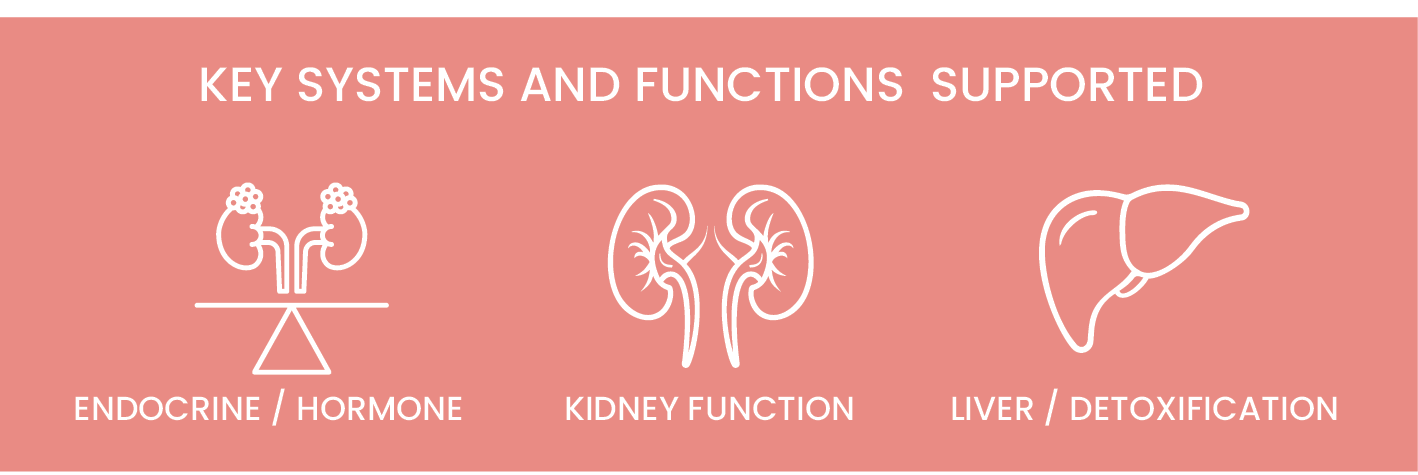
Contains phenolic antioxidants that support endocrine balance, assist kidney function, and aid liver detoxification processes.
- Total Phenolics 33.9mg/g**
*Data is mean values from Phenol-Explorer Database1
**Data on file with WholisticMatters. Values subject to change based on strain and experimental methods
Did you know WholisticMatters is powered by Standard Process? Learn more about Standard Process’ whole food-based nutrition philosophy.
Jin, A., Ozga, J. A., Lopes-Lutz, D., Schieber, A., & Reinecke, D. M. (2012). Characterization of proanthocyanidins in pea (Pisum sativum L.), lentil (Lens culinaris L.), and faba bean (Vicia faba L.) seeds.
Food Research International, 46(2), 528-535. doi:https://doi.org/10.1016/j.foodres.2011.11.018
Neugart, S., Rohn, S., & Schreiner, M. (2015). Identification of complex, naturally occurring flavonoid glycosides in Vicia faba and Pisum sativum leaves by HPLC-DAD-ESI-MSn and the genotypic effect on their flavonoid profile. Food Research International, 76, 114- 121. doi:https://doi.org/10.1016/j.foodres.2015.02.021
Reim, V., & Rohn, S. (2015). Characterization of saponins in peas (Pisum sativum L.) by HPTLC coupled to mass spectrometry and a hemolysis assay. Food Research International, 76, 3-10. doi:https://doi.org/10.1016/j.foodres.2014.06.043
Rothwell, J.A., et al., Phenol-Explorer 3.0: a major update of the Phenol-Explorer database to incorporate data on the effects of food processing on polyphenol content.
Database, 2013. 2013: p. bat070-bat070.