
Women's Wellness
Explore tailored approaches specific to women’s health, such as hormonal balance, reproductive health, and overall well-being. Our resources provide insights into nutrition, lifestyle, and holistic practices for women at every life stage
The Fourth Trimester: Nourishment and Support for Postpartum
 Read Article
Aneeta Uppal, PhD, M...
(8 min read)
Mothers are nothing short of extraordinary. They grow a baby, give birth to the baby, and feed the baby, raise the baby, or in some cases multiple babies and sometimes on their own. If they are lucky as a working mother, they get time to spend with their baby before going back to work. Magazines and social media share the common narrative of how they got rid of their baby weight so fast. Or pumping moms showing their freezers full of milk, making that mom pumping just enough or the formula mom, feel guilty or inadequate.
External pressures onto the modern-day mom to just bounce right back after experiencing a roller coaster of hormones and a complete life change over the past year is absurd. Furthermore, most pregnancy-related information focuses on the first three trimesters, while resources and support for the fourth trimester (also known as the post-partum period) are lacking for mothers. During pregnancy women are closely monitored by health care providers, given classes on what to expect and tips on how to prepare. After childbirth, resources and support for new moms are not easy to come by and often not provided.
Nutrition
Proper nutrition after giving birth is vital as women experience a hormonal crash after childbirth. Once the placenta is delivered, women will experience a rapid decline in progesterone and estrogen, often hitting the hardest within 3-10 days after birth.1 This can present itself as fever/chills, cramping, bleeding and fatigue. Providing the body with optimal nutrients will help combat symptoms of the severe hormone shift and aid in creating a milk supply for lactation.
Many cultures focus on nourishing foods for mothers’ post-partum, with added nutrients to aid in lactation. Essential nutrients for the fourth trimester include iron, calcium, Vitamin D, iodine, choline, omega-3 fatty acids, and B Vitamins. Nutrient dense and warm meals are said to aid in healing for the mothers.2 Traditional Chinese Medicine (TCM) considers bone broths, protein rich meals, and ginger healing for the body.3
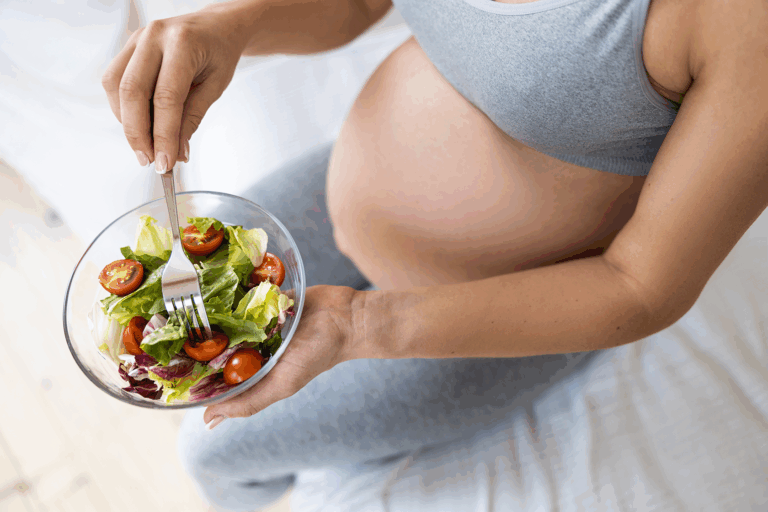
Highly nourishing foods for postpartum include eggs (rich in choline), dark leafy greens (iron and mineral support), whole grains (energy), as well as salmon and avocado (healthy fats for brain health).2 Protein shakes are a great way to add nutrients and protein into a busy day as a mom. It is recommended to continue taking prenatal supplements if breastfeeding.
Lactation Support
Lactogenesis I is the first stage of milk production that occurs within the body around 16-20 weeks. This is driven by prolactin levels in the body which helps create colostrum.4 Due to high levels of progesterone in the body during pregnancy, milk production will not begin yet. Lactogenesis II occurs when the milk supply changes from colostrum to milk during the first 24-72 hours post-partum. This is triggered by birth and the removal of the placenta.4 To ensure a stable milk supply, experts recommend hydration, minimal stress, and adequate nutrition.
Nutrients and Herbs to Support Lactation
Producing milk requires a higher caloric and protein intake. Adding protein powders to your routine, can help keep your milk supply stable and serves as a quick, fulfilling snack that a mom can do one handed. Herbs such as fenugreek, moringa and fennel have traditionally been known as galactagogues, herbs that increase milk production. These work by stimulating milk production or by boosting prolactin levels. It is hypothesized that fenugreek acts as a phytoestrogen to increase milk supply. It also contains diosgenin and other compounds that may help increase prolactin levels. Moringa boosts prolactin, signaling the mammary glands to make more milk. Fennel is believed to increase milk supply due to its high content of anethole, a phytoestrogen that may aid in stimulating prolactin levels.
Lactation Consultants
Historically, women have had limited access to breastfeeding resources and support. A recent survey found that 70% of women struggle with breastfeeding challenges.5 Breast feeding is difficult for most, especially if it’s the first time, but it does not have to be.
Finding an International Board-Certified Lactation Consultant (IBCLC) can be an asset to the journey. These lactation consultants can assist in correcting a poor latch, low supply, alleviating pain while breast feeding, helping size flanges, and giving guidance on a pumping schedule to avoid clogged ducts or mastitis. With the right support in place, breastfeeding can be a very enjoyable bonding experience between a baby and mother.
It’s rarely discussed what type of symptoms a lactating mother can experience. The body is doing a lot of work to produce enough milk to sustain a little one. This can cause fatigue, aches, waves of thirst and hunger, digestion struggles, sleep disruptions due to the shifting in hormones, and occasional breast pain and milk leakage while supply regulates. It is completely normal to feel a sense of being “touched out” or overstimulated during your breastfeeding journey. Even with a good latch, breastfeeding can have challenges. It is estimated women spend approximately 1800 hours pumping/nursing that first year. This is equivalent to a full-time job! Do not be afraid to ask for help during these challenging moments. It’s important to note that every individual is different and may vary in response to herbal supplementation. If beginning new supplements and herbs during post-partum, be observant of changes in milk supply, output, and any digestion and stool changes in the baby. It’s recommended to work with a health practitioner who can tailor herbs to each individual’s specific needs.
Physical Health
Physical exercise is important after pregnancy, but it is even more important to wait until the body is ready and healed. Do not engage in intense physical activity until receiving clearance from a healthcare provider, this is usually around 6-8 weeks post-partum. Once cleared, start small with short walks to get outside and get the body moving. Be patient and give grace if the body feels like it is taking longer to heal than anticipated. Recovery times can vary significantly based on each individual, especially after a cesarean birth.
Healing paths look vastly different for everyone. Gentle movements such as walking, yoga, or swimming are a great place to start and can serve as time for recharging. Pelvic floor therapy is another type of physical movement that gained traction in 2020. This is a specialized type of physical therapy to help strengthen and relax the pelvic muscles that support the bladder, reproductive organs and bowel.6 Childbirth can put a lot of strain on those areas, and now there are physical therapists certified to help with specifically strengthening these areas.
Herbs and Nutrients to Support Postpartum Mental Health
Due to the rapid hormonal shifts after birth, many women will experience hot flashes, night sweats, sudden mood changes, and fatigue in addition to the physical recovery of birth. During this time many women can experience mixed feelings and heavy shifts in emotions.
Herbs such as chamomile and ashwagandha can help support a calm, relaxed state and are compatible in breastfeeding. Chamomile can help to reduce anxiety, improve sleep quality and ease any digestive discomforts during post-partum. It can be taken as a tonic or as a tea. Ashwagandha is an adaptogenic herb that can help lower cortisol levels, reduce stress and support overall energy levels.
Adequate magnesium levels will help ensure a regulated stress response and promote more restful sleep. Whole food magnesium is highly bioavailable and ensures it crosses the blood brain barrier for optimal utilization to support brain health.
Vitamin B plays a key role in regulating neurotransmitters like serotonin.7 They are crucial vitamins for healthy energy production and infant neurological development.
The feeling of struggling or not having enough energy to care for oneself and/or child, or lacking interest in either, may need additional support. These may be symptoms of postpartum depression (PPD). PPD has not been widely spoken about until recently. PPD is not uncommon and many women experience these symptoms. There is support and help available. Ask for help and work with a qualified healthcare provider so any post-partum needs can be addressed.
Overall Life Change
If it is the first child, it can feel like all the time for daily tasks and hobbies disappeared overnight. This can feel like a drastic change and cause an identity crisis in some cases. There will be time to rediscover personal interests and rebuild a sense of identity. The process requires time and patience. Starting a family is one of life’s biggest changes. If this is not the first child, having multiple children and finding the right rhythm and routine to show up for them all can be extremely demanding and cause guilt. Continue taking it one day at a time. If there is support nearby, such as family or friends, do not be ashamed to ask for help when needed.
Get Help Now. Call the National Maternal Mental Health Hotline at 1-833-TLC-MAMA (1-833-852-6262) for 24/7 free confidential support for pregnant and new moms. If you are in mental health distress or have a suicidal crisis, call or text the Suicide and Crisis Lifeline at 988 for free and confidential support.
Did you know WholisticMatters is powered by Standard Process? Learn more about Standard Process’ whole food-based nutrition philosophy.
Learn More About Standard Process
Navigating Perimenopause Naturally
 Read Article
Savannah Limbaugh, D...
(10 min read)
In addition to the wide range of hormonal fluctuations and symptoms women might experience during perimenopause and menopause, they are also at an increased risk of osteoporosis, cardiovascular disease, and some cancers. Taking proactive measures and strategies to prevent these conditions, concerns, and risks through nutritional and physical means can set women up for long-term health and wellness.
Natural Remedies for Women's Reproductive Health: the Childbearing Years
 Read Article
Savannah Limbaugh, D...
(8 min read)
The menstrual cycle is a complex, physiological process influencing the health of reproductive aged women. When discussing female health, it is imperative to stress the importance of a healthy, nutritionally rich diet.
Top Health Challenges for Men and Women
 Read Article
Keri Barron, PhD
(3 min read)
Women and men face many of the same health challenges including heart disease, stroke, cancers, and diabetes. However, some conditions are unique to men or women. Underlying biological differences, genetic contributions, sex hormones, and other factors dictate the response to an exposure and sensitivity to an exposure or treatment, which culminates in a different risk of developing certain diseases for men and women.1
Supporting Women's Health Throughout the Lifecycle
 Read Article
Robin Foroutan, MS, ...
(4 min read)
Women’s bodies face a variety of changes throughout the lifecycle. Through puberty, childbearing years, perimenopause, menopause, and beyond, women’s bodies require an approach to wellness that evolves along with them.
Women: The Gatekeepers of Our Health
 Watch video
WholisticMatters
(27:45 min watch)
Dr. Erika Schwartz leads a discussion on the role of the inflammatory process in hormonal balance throughout the lifespan of women.
Aneeta Uppal, PhD, MS, IHP
(8 min read)
The Fourth Trimester: Nourishment and Support for Postpartum
Savannah Limbaugh, DCN, MPH, CPT
(10 min read)
Navigating Perimenopause Naturally
Women's Wellness
Healthy Aging
Savannah Limbaugh, DCN, MPH, CPT
(8 min read)
Natural Remedies for Women's Reproductive Health: the Childbearing Years
Keri Barron, PhD
(3 min read)
Top Health Challenges for Men and Women
Women's Wellness
Men's Health
Robin Foroutan, MS, RDN, HHC
(4 min read)
Supporting Women's Health Throughout the Lifecycle
WholisticMatters
(27:45 min watch)
Women: The Gatekeepers of Our Health
Aneeta Uppal, PhD, MS, IHP
(8 min read)
The Fourth Trimester: Nourishment and Support for Postpartum
Savannah Limbaugh, DCN, MPH, CPT
(10 min read)
Navigating Perimenopause Naturally
Women's Wellness
Healthy Aging
Savannah Limbaugh, DCN, MPH, CPT
(8 min read)
Natural Remedies for Women's Reproductive Health: the Childbearing Years
Keri Barron, PhD
(3 min read)
Top Health Challenges for Men and Women
Women's Wellness
Men's Health
Robin Foroutan, MS, RDN, HHC
(4 min read)
Supporting Women's Health Throughout the Lifecycle
WholisticMatters
(27:45 min watch)
Women: The Gatekeepers of Our Health