Supporting Lyme Disease with Nutritional and Herbal Supplements
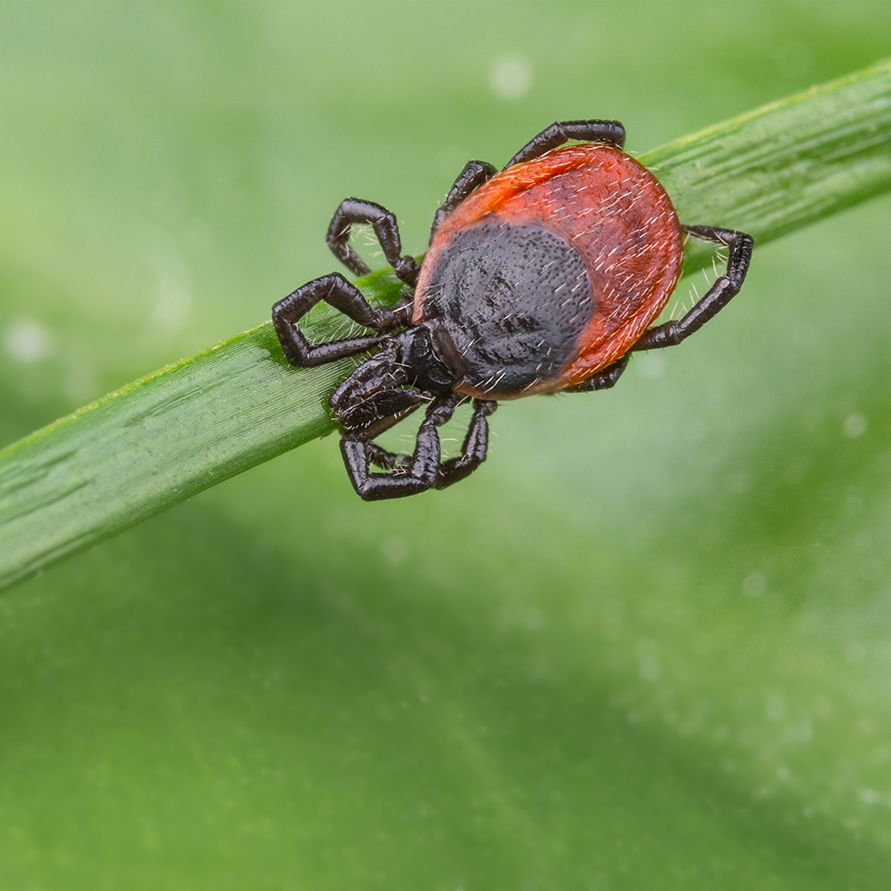
Lyme disease is tick-borne disease caused by the bacteria Borrelia burgdorferi, which is transmitted to humans primarily by blacklegged ticks- also known as deer ticks. The infection is most common in the Northeast, Mid-Atlantic and Upper Midwest regions of the United States, and is the most common vector-borne illness in the US with nearly 500,000 reported cases every year.
The actual incidence of Lyme disease is likely significantly higher, however, because routine surveillance only captures a fraction of actual clinical diagnoses, and many cases often go undiagnosed for years when the initial infection is missed and the disease progresses to chronic Lyme.
Common Symptoms of Lyme Disease
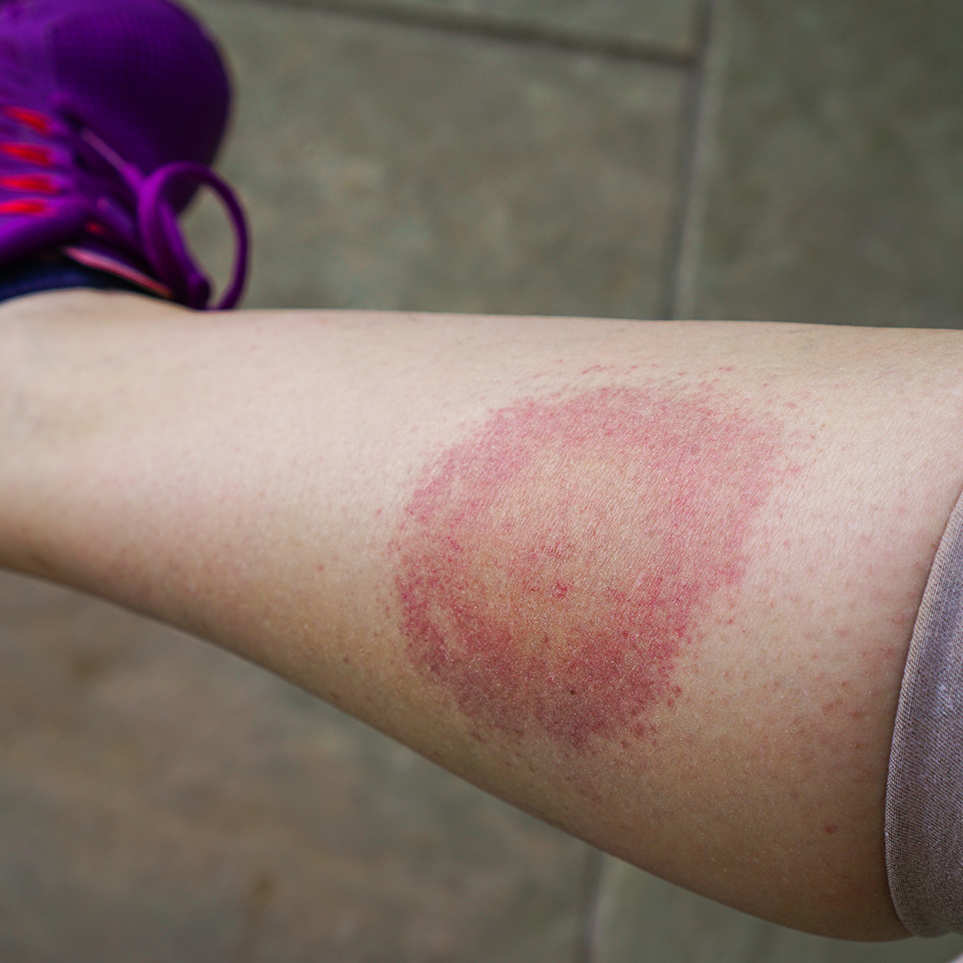
The most common symptom of contracting Lyme disease following a tick bite is the development of a bullseye rash, known as Erythema migrans, which occurs in approximately 70-80% of infected individuals.1 The rash begins at the site of the tick bite and usually appears within 3-30 days of the bite. The middle section of the rash sometimes lightens as it expands outward, creating that classic bullseye pattern.
Most Erythema rashes are uniformly red or pink, and the common misconception that a bullseye rash always appears can contribute to a lack of recognition and the affected individual is less likely to seek medical attention. Other symptoms that accompany an acute infection, either with or without the presence of the rash, include fever, chills, headache, fatigue, muscle and joint aches, and swollen lymph nodes.
Conventional Approach to Managing Lyme Disease
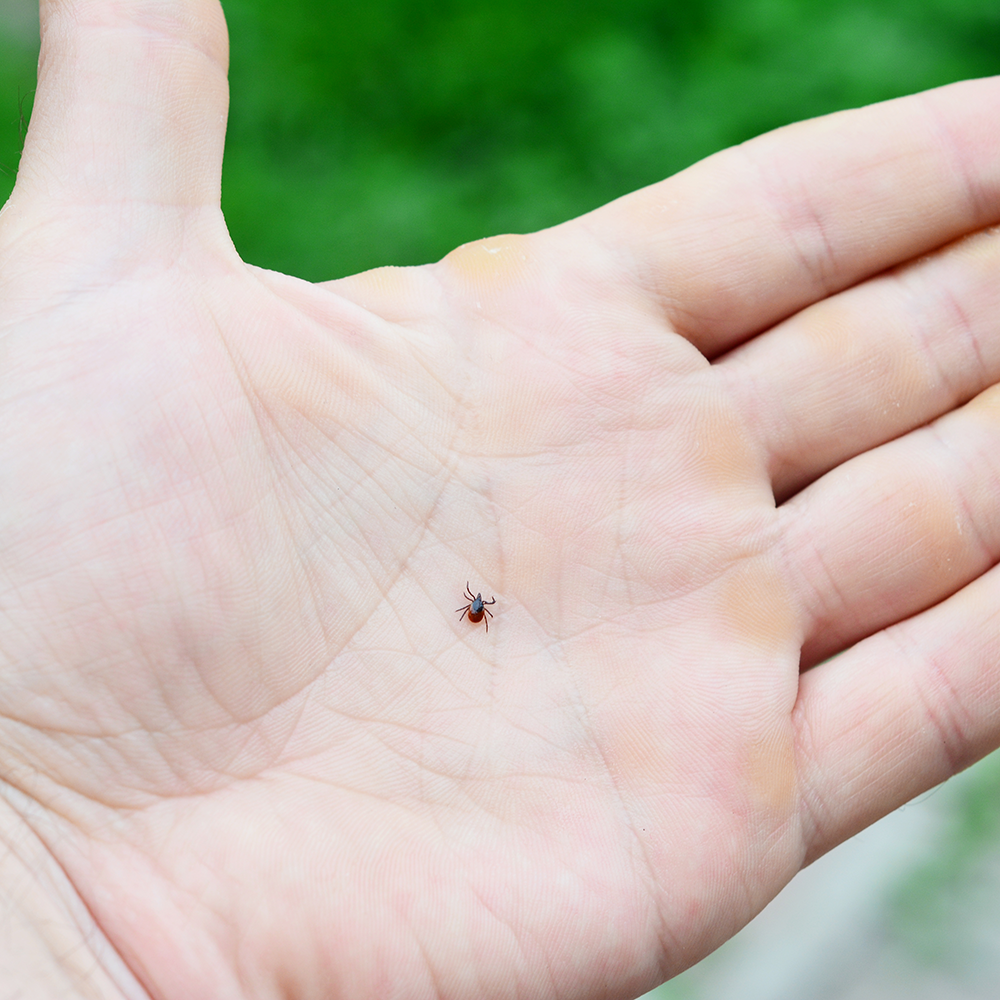
If an acute Lyme infection is caught early, a standard 10 to 21-day course of oral antibiotics can resolve approximately 85-99% of Lyme cases.2 The challenge is, many individuals don’t catch Lyme in the early stages of infection when antibiotics are most effective. Nymphal deer ticks are the size of a poppy seed – so small that they are almost impossible to see, meaning that many people who contract Lyme disease never even see or feel a tick on their body.
When left untreated, or in the percentage of individuals where a course of antibiotics are not curative, acute Lyme progresses to a chronic infection. This can lead to long-term symptoms of severe fatigue, widespread musculoskeletal and joint pain, sleep disturbances and even cognitive dysfunction or brain fog. In some cases, even eradicating the bacterial infection with antibiotics doesn’t resolve the immune dysregulation and inflammation caused by the initial infection. This condition, known as post-treatment Lyme disease syndrome (PTLDS), frequently results in ongoing neurological and physical symptoms similar to those seen in individuals with an active or latent infection.3
Managing Chronic Lyme with Holistic Strategies
Chronic Lyme, whether resulting from ongoing bacterial infection or continued immune dysregulation after a resolved infection, can be a debilitating condition, and severely impacts quality of life. Foundational nutrition alongside herb and nutrient supplementation that targets the underlying inflammatory and immune pathways associated with chronic Lyme may help to mitigate the symptoms that frequently linger, sometimes for years, after that initial infection.
Nutrients and Phytonutrients to Support Lyme Disease
While there is no universally recognized diet for addressing a chronic Lyme infection, following a antioxidant-rich diet including colorful fruits and vegetables, healthy fats, and low in processed foods will support reducing systemic inflammation in the body and may help relieve symptoms like pain and fatigue.
Several nutrients, including iodine, copper, zinc, and magnesium, that are crucial for immune function, inflammation management and detoxification have been found to be low in those with Lyme disease, and may benefit from supplementation if dietary intake alone is insufficient to achieve recommended daily intake.
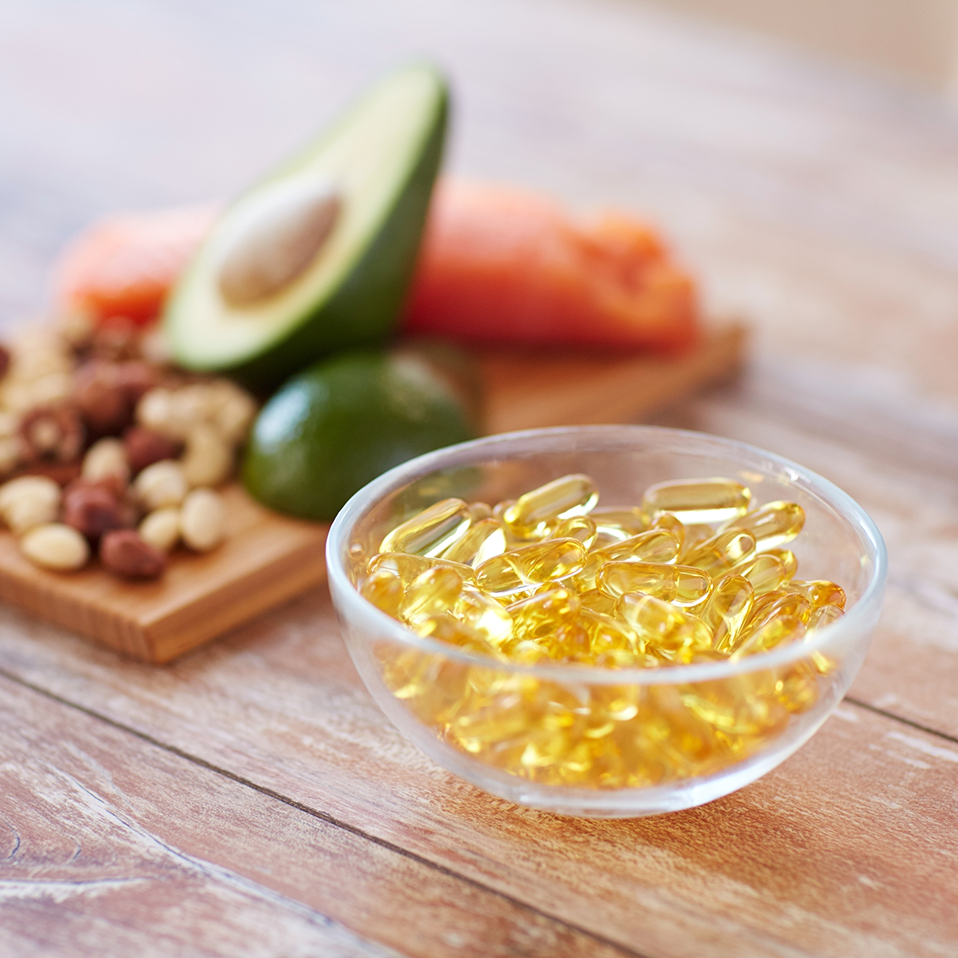
Omega-3 fatty acids, specifically EPA and DHA, may also warrant supplementation, as approximately 75% of individuals worldwide are not meeting the recommended dietary intake for omega-3 fatty acids. EPA and DHA support the immune system following an infection, and help to normalize the inflammatory cascade that contributes to the joint pain and cognitive issues seen in chronic Lyme disease.4,5
Medicinal Herbs to Support Lyme Disease
Several medicinal herbs have a long history of use in mitigating symptoms associated with chronic inflammation, such as joint pain and cognitive dysfunction.
The combination of turmeric (Curcuma longa) and boswellia (Boswellia serrata) will not resolve a lingering Borrelia infection; however, these herbs are incredibly effective at relieving the pain and inflammation associated with arthritic-like joint pain.6,7 These herbs also have an impact on reducing neuroinflammation, a common co-occurrence with chronic Lyme disease that contributes to the symptoms of fatigue, brain fog and sleep disturbance. Read here to learn more about turmeric and Boswellia in the management of neuroinflammation: Integrating Herbs for Neuroplasticity into Clinical Practice.
Antibacterial and immune-regulating herbs can also be used to help manage a chronic Lyme infection, either alongside of, or independently from, antibiotic therapy depending on the needs of the patient and decision of the health care provider. Andrographis (Andrographis paniculata), Myrrh (Commiphora myrrha), Echinacea (Echinacea angustifolia) and Sweet Wormwood (Artemisia annua) are all strongly antibacterial herbs used in traditional herbal medicine to help address acute and chronic bacterial infections.
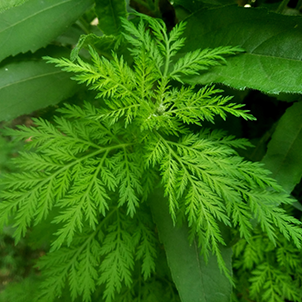
Sweet wormwood in particular has a history of use in Traditional Chinese Medicine (TCM) for treating infections like malaria, tuberculosis and alternating fever and chills. Its active constituent artemisinin is used in modern herbalism for targeting ‘stealth pathogens’ that have an ability to hide within the body and resurface to cause ongoing symptoms of infection.8
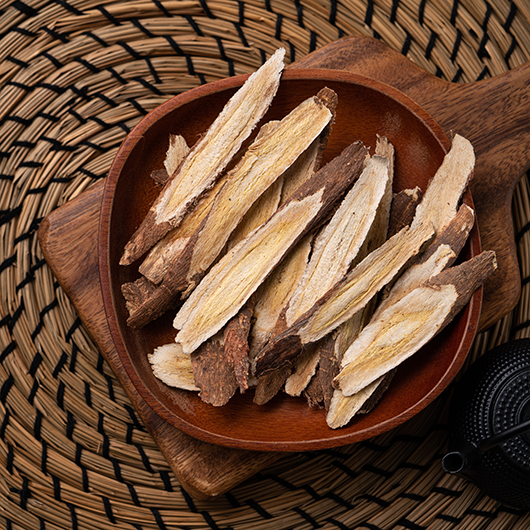
Immunomodulating herbs like astragalus (Astragalus membranaceus), and medicinal mushrooms like reishi (Ganoderma lucidum) and shiitake (Lentinula edodes) are like bone broth for the immune system, nourishing and strengthening immune response and reducing inflammation to build resilience and vitality either during or following an infection.
Pre- and Postbiotics to Support Gut Health
If a health care provider determines that antibiotic treatment is warranted in the treatment of an acute or chronic Lyme infection, targeted pre- and probiotic supplementation can be used to support rebuilding microbiome health following the course of antibiotics. 2′-Fucosyllactose (2′-FL), a human milk oligosaccharide and prebiotic, has been shown to improve gut microbial resilience following antibiotic use.9 Probiotic cultures like Lactobacillus acidophilus and yeast strains like Saccharomyces boulardii have been shown to reduce the incidence of digestive upset and diarrhea associated with antibiotic use,10 and may help reduce the incidence of antibiotic-related dysbiosis.
Key Takeaways
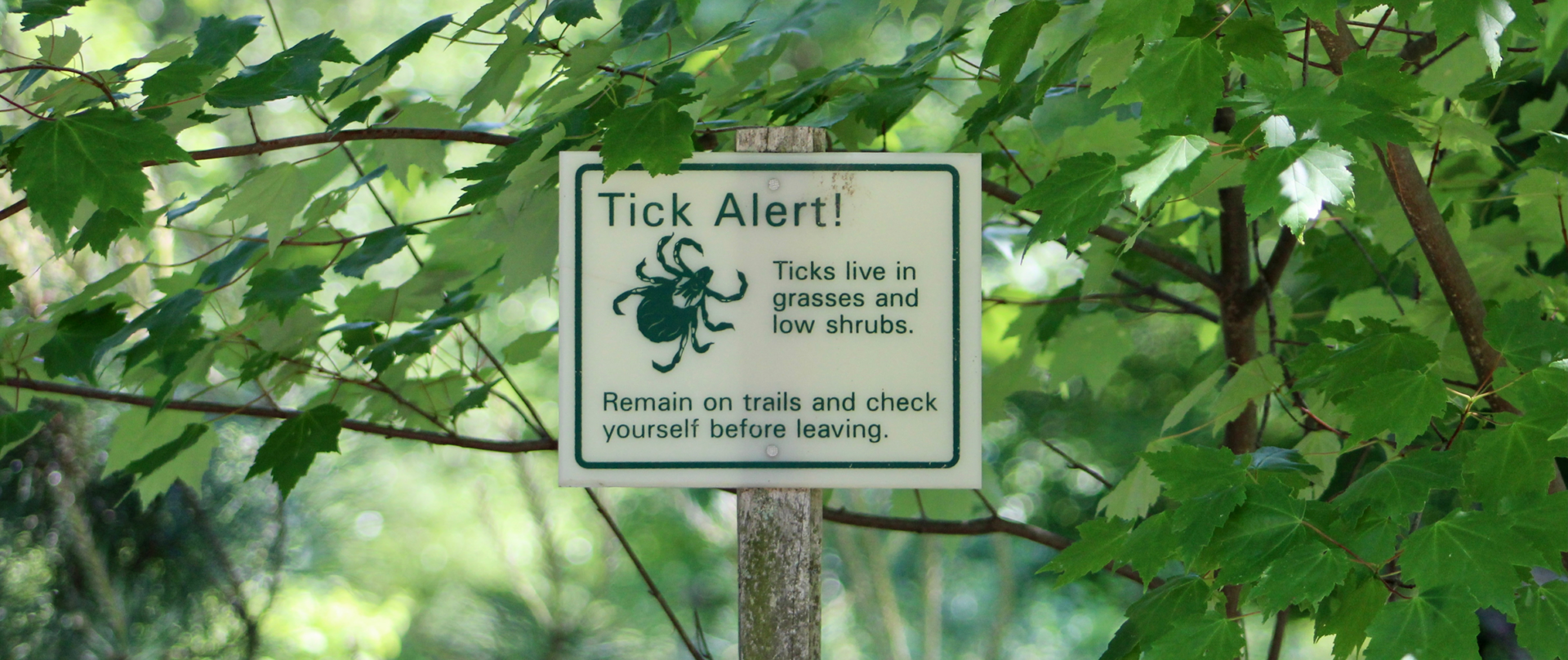
For those who live in an area with a high incidence of Lyme disease, prevention is key:
- Wearing light-colored long pants and sleeves so that ticks will be more visible, tucking pants cuffs into socks and wearing a hat can help reduce the chances of a tick attaching.
- After spending time outside, doing a comprehensive tick check and removing any ticks immediately will help reduce the chances of disease transmission as ticks typically need to be fully attached for more than 24 hours to transmit the bacteria.11
If a tick is found attached, Project Lyme offers an excellent resource for finding locations that will test the tick for the presence of Borrelia: Tick Testing Locations – Project Lyme While waiting for results to discuss with a qualified practitioner, starting with the combination of Andrographis and echinacea (potent antibacterial herbs) may help support the initial immune response to an infection. Working with a Lyme-literate or experienced health care provider to find the right treatment approach to working with acute or chronic Lyme is key. Nutrition and herbs offer a valuable tool for managing chronic infection when used appropriately and under provider supervision, often providing relief from many of the symptoms that negatively affect quality of life in those living with the disease.
Supplement Considerations for Natural Management of Lyme Disease
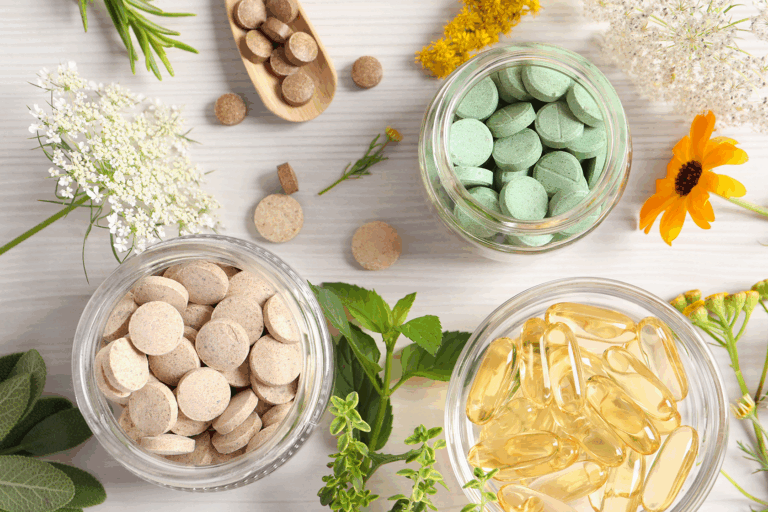
- Prebiotics including 2′-Fucosyllactose (2′-FL) and chicory root inulin, alongside probiotic cultures and yeasts like Lactobacillus acidophilus and Saccharomyces boulardii following antibiotic use
- Zinc combined with copper and iron to address potential nutrient deficiencies and support immune function and cellular energy production
- EPA and DHA as essential fatty acids for mitigating oxidative stress and supporting cognitive functioning
- Echinacea angustifolia with Andrographis paniculata, standardized to 10 mg active andrographolide, following a tick bite while waiting for testing or to help address persistent infection
- Artemisia annua standardized to 40 mg active artemisinin under the guidance of an experienced health care provider to address chronic infection
- Boswellia and turmeric combined with ginger and celery seed to mitigate inflammation that contributes to joint pain and cognitive dysfunction
Did you know WholisticMatters is powered by Standard Process? Learn more about Standard Process’ whole food-based nutrition philosophy.

Locate Professional Health Solutions Nearby
Looking for high-quality, practitioner-recommended health solutions? Locate authorized Standard Process practitioners in your area and gain access to premium health services to support your wellness journey.
Find A Participating Practitioner
- Smith RP. Lyme Disease. Ann Intern Med. May 2025;178(5):Itc65-itc80. doi:10.7326/annals-25-01111
- Kowalski TJ, Tata S, Berth W, Mathiason MA, Agger WA. Antibiotic treatment duration and long-term outcomes of patients with early lyme disease from a lyme disease-hyperendemic area. Clin Infect Dis. Feb 15 2010;50(4):512-20. doi:10.1086/649920
- Cairns V. Supporting patients with long-term problems after Lyme disease. BJGP Open. Aug 2020;4(3)doi:10.3399/bjgpopen20X101102
- Dumlao DS, Cunningham AM, Wax LE, et al. Dietary fish oil substitution alters the eicosanoid profile in ankle joints of mice during Lyme infection. J Nutr. Aug 2012;142(8):1582-9. doi:10.3945/jn.112.157883
- Zivkovic AM, Telis N, German JB, Hammock BD. Dietary omega-3 fatty acids aid in the modulation of inflammation and metabolic health. Calif Agric (Berkeley). Jul 2011;65(3):106-111. doi:10.3733/ca.v065n03p106
- Haroyan A, Mukuchyan V, Mkrtchyan N, et al. Efficacy and safety of curcumin and its combination with boswellic acid in osteoarthritis: a comparative, randomized, double-blind, placebo-controlled study. BMC Complement Altern Med. Jan 9 2018;18(1):7. doi:10.1186/s12906-017-2062-z
- Henrotin Y, Dierckxsens Y, Delisse G, Maes N, Albert A. Curcuma longa and Boswellia serrata extract combination for hand osteoarthritis: an open-label pre-post trial. Pharm Biol. Dec 2022;60(1):2295-2299. doi:10.1080/13880209.2022.2147550
- Bone K. Functional Herbal Therapy: A Modern Paradigm for Clinicians. Aeon Books; 2021.
- Vliex LMM, Barnett D, Monzel E, et al. 2′-Fucosyllactose supplementation results in a transient improvement in gut microbial resilience after vancomycin use in adults with overweight or obesity: a randomized, double-blind, placebo-controlled intervention. Gut Microbes. Dec 31 2025;17(1):2580693. doi:10.1080/19490976.2025.2580693
- Ciorba MA. A gastroenterologist’s guide to probiotics. Clin Gastroenterol Hepatol. Sep 2012;10(9):960-8. doi:10.1016/j.cgh.2012.03.024
- Cook MJ. Lyme borreliosis: a review of data on transmission time after tick attachment. Int J Gen Med. 2015;8:1-8. doi:10.2147/ijgm.S73791