Detoxification Practices: Supporting Whole Body Wellness through Food & Ritual

A central theme around the beginning of the year is ‘cleanse’- from spring cleaning in the home to the desire to become healthier, getting rid of the old and ushering in the new is the common denominator behind so many goals as the seasons change. Detoxification can seem like a daunting and complicated process, particularly when there are so many options circulating in the wellness community for kits, programs and coaching. It’s so important to understand that even without undergoing ‘detoxification’ programs, or using products intended to support detoxification, the human body will continuously practice natural detoxification every single day- it has to, or it would not survive.
This doesn’t mean, however, that the detoxification pathways are functioning optimally. Detox pathways can experience increased toxic burden due to dietary habits, lifestyle factors, underlying health complications, and environmental exposure, and may not function as efficiently due to that increased toxic burden. This can show up as ongoing fatigue, difficulty with digestion, skin disorders, headaches or a myriad of other signs and symptoms associated with impaired liver or kidney clearance. Certain dietary practices, targeted nutrient and herb use, and lifestyle habits can support the various detoxification pathways in the body to allow them to function at their highest capacity.
Detoxification Pathways
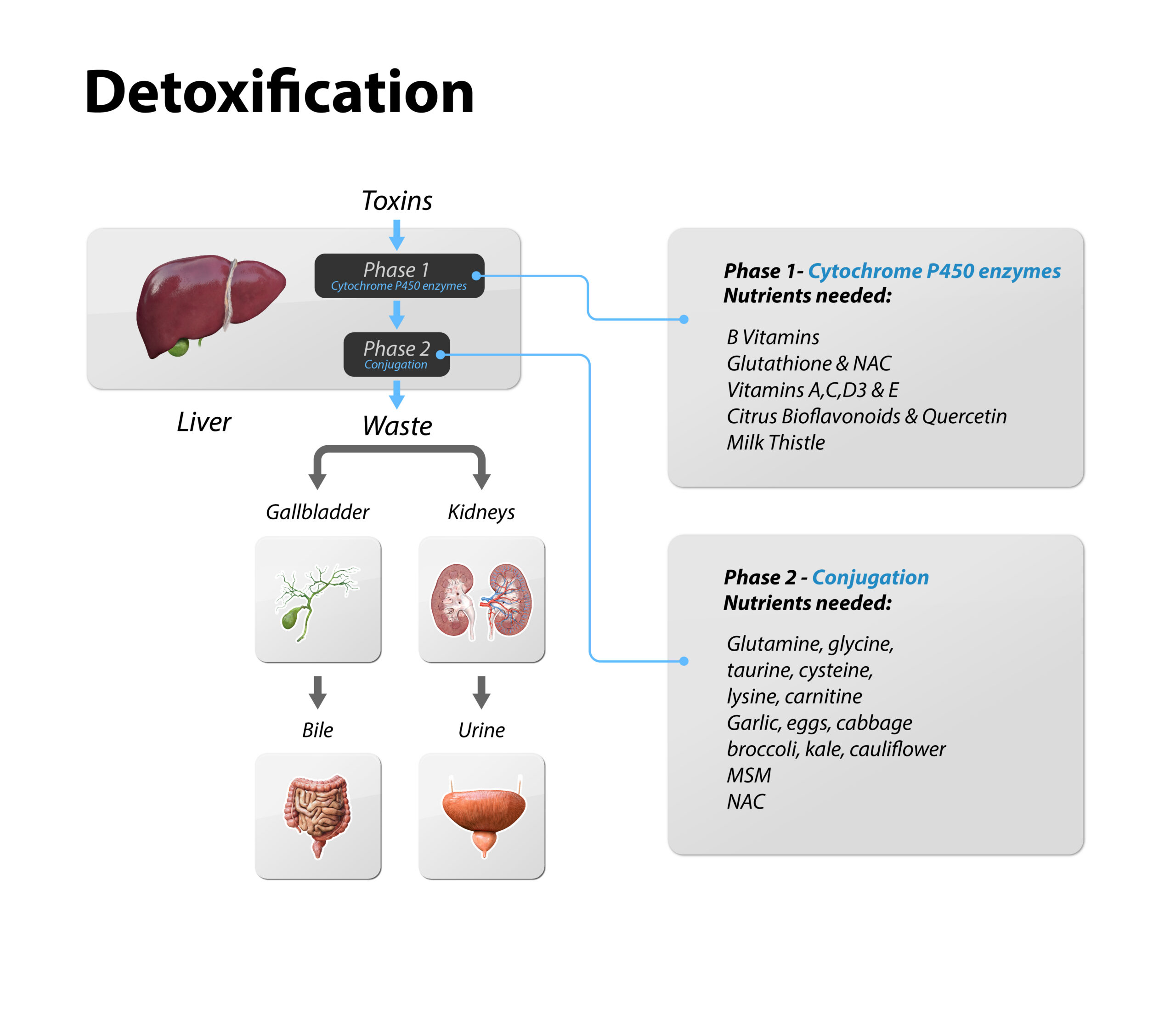
The human body has several pathways that facilitate the detoxification process after exposure to both endogenous (made within the body) and exogenous (foreign) toxins. The liver and kidneys work together as the primary organs of detoxification, each with a unique but synergistic role that supports the health and function of the entire organism. Through various enzymatic pathways, the liver collects and transforms both endogenous and exogenous toxins into their excretable metabolites, which can then be removed from the body through the bowel via bile or the kidneys via urine. The kidneys are also continuously filtering the blood to remove water-soluble wastes, excess minerals, and the natural byproducts of daily metabolism, maintaining both fluid and electrolyte balance while excreting toxins.
Supporting Detoxification with Food
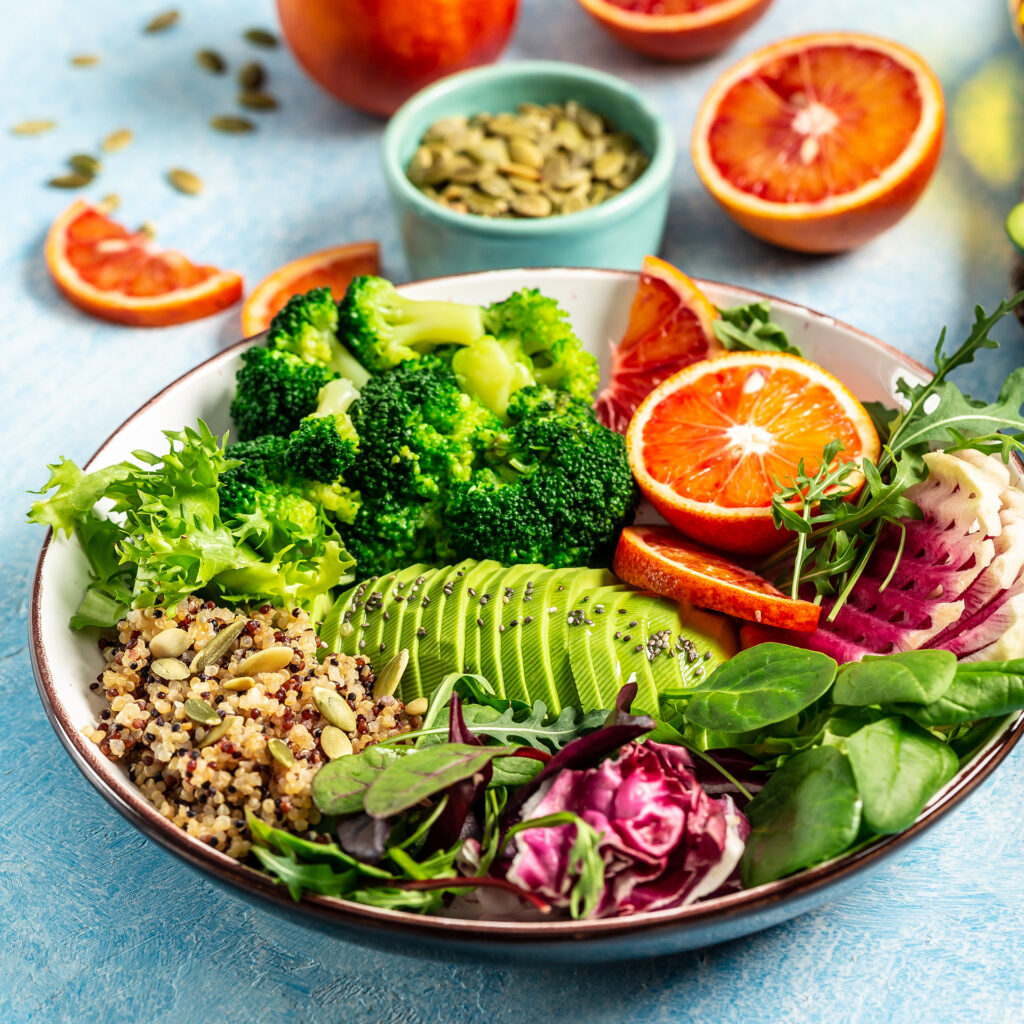
Dietary changes should always be the basis for supporting detoxification pathways. Reducing ultra-processed food that are nutrient poor and replacing them with nutrient-dense fruits, vegetables and complex carbohydrates will give the body’s detoxification systems the tools they need to perform their jobs more efficiently. Dark leafy greens, legumes and avocados are excellent sources of key nutrients, in particular vitamins B2, B3, B6, B9 and B12, that are used as cofactors, or essential ‘helper’ molecules, which help the liver detoxification enzymes function correctly.1
Amino acids like glycine and methionine found in hemp seeds, chia seeds and legumes support the conjugation of toxins into their excretable forms, while flavonoids found in brightly colored fruits and vegetables protect against oxidative stress during toxin processing.1
Supporting Detoxification with Herbs
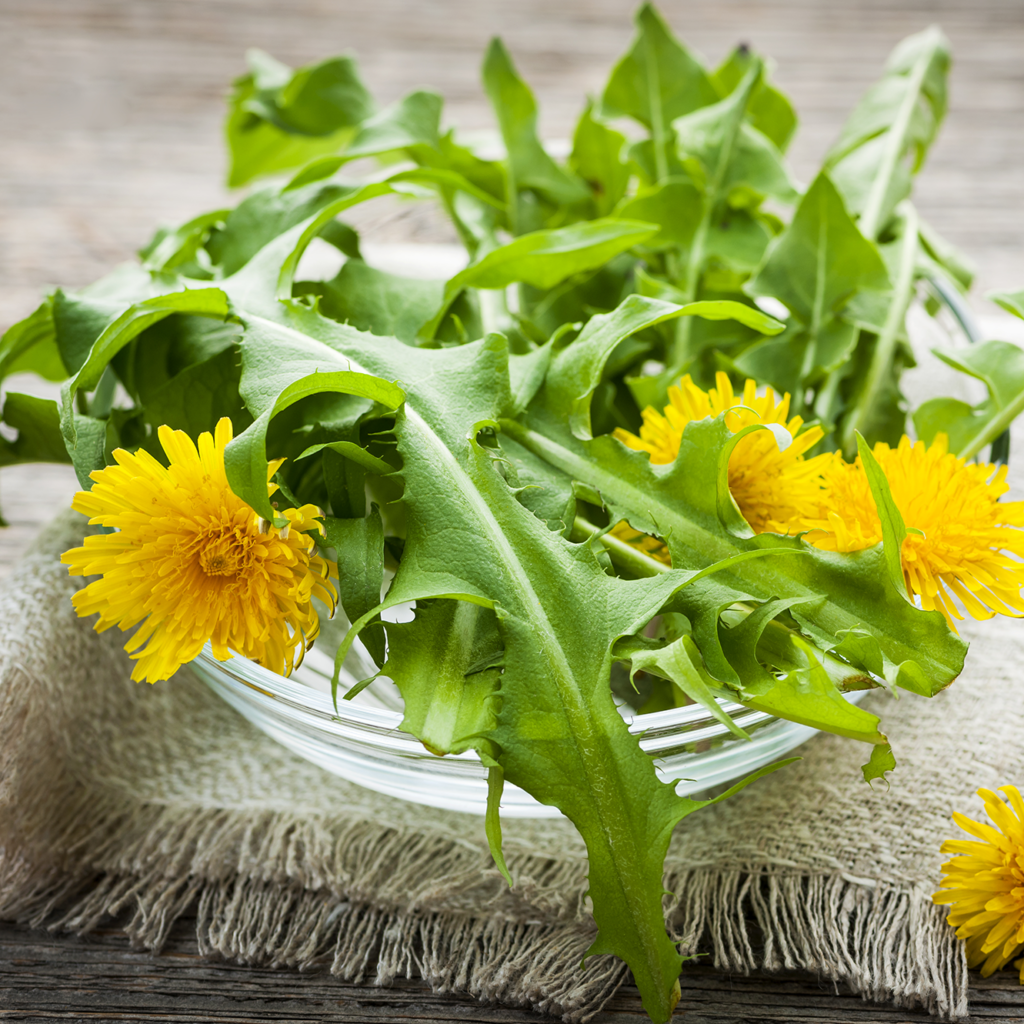
Medicinal plants also have a long history of use in supporting these detoxification pathways. Depurative herbs, also known as alternatives or blood purifiers, are often used by herbalists to support the liver and kidneys in their detoxification roles. Burdock root, dandelion leaf, red clover, juniper berry and numerous other herbs are used to support the production of bile in the liver, improved movement of lymphatic fluid, and for their diuretic action within the kidneys, encouraging the natural removal of metabolic waste from the body.
When incorporated alongside dietary changes that emphasize nutrient density, these herbs are wonderful allies for improving the digestion and assimilation of nutrients that the body needs to function, and the elimination of waste products that accumulate from metabolic processes and exogenous exposure.
Synergistic Practices to Support Detoxification
Combating stress plays a large role in maintaining the body’s overall health and mental health. Chronic stress induces inflammation, and if left unchecked for too long, it can lead to chronic health conditions and impaired detoxification pathways. Stress can overwhelm the liver and the gut, making it more difficult for it to process the removal of toxins, leading to more toxin build up and cellular damage.2 Taking 10-15 minutes out of your day to focus on deep breathing, aromatherapy and gentle movement can help combat stress, improve mental health and longevity.
Breathing Exercises

The average person takes around 17,000-22,000 breaths a day.3 Deep breathing exercises can help to lower both cortisol and blood pressure.4,5 Many believe that meditation and deep breathing can be difficult to achieve, but practicing for 5 minutes a day can have beneficial effects on the mind and body. There are many forms of existing styles of meditation including but not limited to: mindfulness, focused attention, movement, and visualization. Exploring multiple styles is encouraged to identify the most effective approach.
When engaging the diaphragm with deep breathing exercises, it aids in activating the body’s relaxation response. This triggers the parasympathetic nervous system (PNS) by stimulating the vagus nerve. Activation of the PNS helps to lower heart rate, improve blood flow, and reduces stress hormones like cortisol.
Aromatherapy
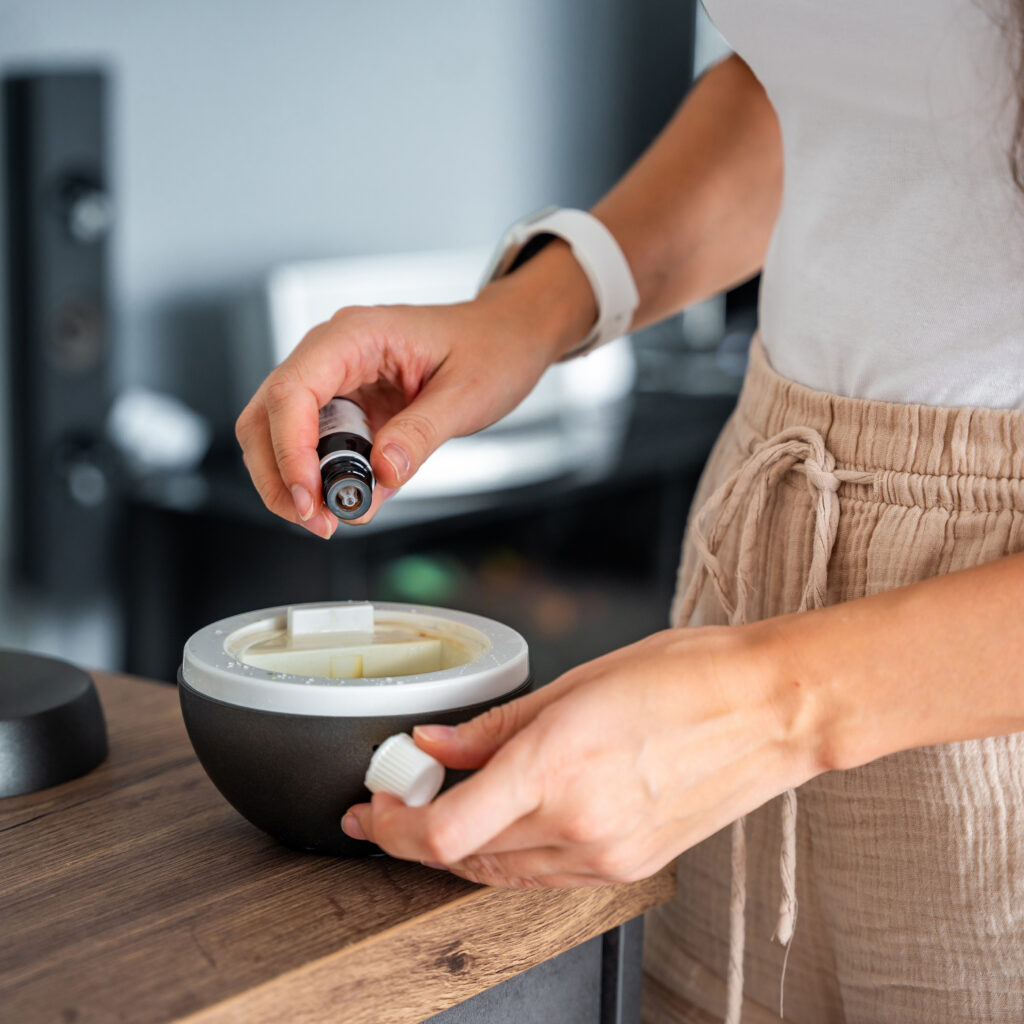
In addition to breathing practices, complementary modalities can further enhance parasympathetic activation and stress reduction, supporting the mental and physical release experienced while doing a cleanse. Essential oils (EOs) contain chemical compounds and terpenes that can have a calming influence on the body. The science of aromatherapy triggers a direct response in one’s olfactory and limbic system.
The scent molecules from the diffused EOs travel up into the olfactory system and activate different olfactory receptors which send signals to the limbic system in areas that control the regulation of emotion and memories.6 These areas can activate responses of relaxation, impact pain, anxiety and stress. EOs can be used in conjunction with different meditation styles and breath work. One study found ylang ylang aromatherapy effective in lowering blood pressure and heart rate in a group of healthy men.7 Diffusing EOs such as lavender, ylang ylang and vetiver before bed can help calm and relax the mind to promote a restorative night’s sleep.
Gentle Movement for Lymphatic Drainage

Another beneficial practice for supporting the body during a cleanse is to optimize lymphatic system function. The lymphatic system assists in flushing toxins out of the body. One of the best ways to encourage the movement of lymphatic fluid is gentle movement. This can be accomplished by engaging in low-impact movement practices such as walking, stretching, yoga, tai chi, and Pilates. These mindful movements aid in boosting circulation, improving balance and mobility, and can relieve pain and stress. Pairing gentle physical activity with a whole-food purification diet can help calm inflammation and support mental, physical and emotional well-being.
Key Takeaway
Going through a period of dietary detoxification, or ‘purification’, alongside the use of key nutrients and herbs can be an incredible reminder of just how good the body and mind are capable of feeling when properly nourished and tended to- a calling to slow down, focus on deep nutrition, and implement lifestyle practices that support letting go of anything which no longer serves. Yearly or biannual periods of purification that focus on eating whole, unprocessed foods and using specific herbs and key nutrients that support pathways of detoxification are like regular ‘oil changes’ for the body- necessary practices to keep the entire organism running as smoothly and optimally as possible.
1. Hodges RE, Minich DM. Modulation of Metabolic Detoxification Pathways Using Foods and Food-Derived Components: A Scientific Review with Clinical Application. J Nutr Metab. 2015;2015:760689. doi:10.1155/2015/760689
2. Hanana H, Taranu ZE, Turcotte P, Gagnon C, Kowalczyk J, Gagné F. Evaluation of general stress, detoxification pathways, and genotoxicity in rainbow trout exposed to rare earth elements dysprosium and lutetium. Ecotoxicol Environ Saf. Jan 15 2021;208:111588. doi:10.1016/j.ecoenv.2020.111588
3. Rodríguez-Molinero A, Narvaiza L, Ruiz J, Gálvez-Barrón C. Normal respiratory rate and peripheral blood oxygen saturation in the elderly population. J Am Geriatr Soc. Dec 2013;61(12):2238-2240. doi:10.1111/jgs.12580
4. Yeh TT, Ho YC. Immediate effects of structured and natural deep breathing on heart rate variability and blood pressure in community-dwelling older adults. Exp Gerontol. Dec 2024;198:112644. doi:10.1016/j.exger.2024.112644
5. Hopper SI, Murray SL, Ferrara LR, Singleton JK. Effectiveness of diaphragmatic breathing for reducing physiological and psychological stress in adults: a quantitative systematic review. JBI Database System Rev Implement Rep. Sep 2019;17(9):1855-1876. doi:10.11124/jbisrir-2017-003848
6. Fung TKH, Lau BWM, Ngai SPC, Tsang HWH. Therapeutic Effect and Mechanisms of Essential Oils in Mood Disorders: Interaction between the Nervous and Respiratory Systems. Int J Mol Sci. May 3 2021;22(9)doi:10.3390/ijms22094844
7. Jung DJ, Cha JY, Kim SE, Ko IG, Jee YS. Effects of Ylang-Ylang aroma on blood pressure and heart rate in healthy men. J Exerc Rehabil. Apr 2013;9(2):250-5. doi:10.12965/jer.130007