

The Motherhood Continuum: Nutrition and Holistic Care from Pregnancy to the Fourth Trimester
This maternal and infant health course (3 hours/3 CEUs) is designed to provide clinicians with a practical understanding of the physiologic, nutritional, and lifestyle factors that influence maternal wellness, fetal development, lactation, and postpartum recovery.
Through three modules, learners explore the whole-body changes that occur during pregnancy, including shifts in the endocrine, cardiovascular, immune, nervous, digestive, and metabolic systems.
The course also examines how maternal nutrient status, environmental exposures, stress, and lifestyle patterns may influence fetal growth, development, and long-term health through concepts such as epigenetics and fetal programming.
The course introduces key nutritional considerations for pregnancy, including the roles of folate, choline, DHA, iron, iodine, protein, and other nutrients that support placental function, fetal brain and retinal development, immune balance, tissue growth, and maternal resilience.
As the course progresses, participants gain a stronger understanding of lactation, postpartum physiology, tissue repair, mood and energy demands, and the clinical gap that often exists between postpartum recovery needs and follow-up care. The course highlights practical strategies for supporting the mother during the fourth trimester and beyond, including nutrient-dense foods, hydration, recovery support, and respectful, whole-person conversations with patients.
By the end of the course, clinicians will have a clearer understanding of how to discuss pregnancy, lactation, and postpartum nutrition in a way that is informed, responsible, and clinically relevant. By completing this maternal and infant health course, clinicians can strengthen patient guidance and improve confidence in supporting whole-person care throughout the motherhood continuum.
Disclaimer: The nutrition and lifestyle practices discussed are focused on supporting overall health and well-being during pregnancy, lactation, and postpartum recovery and are not intended to diagnose, treat, cure, or prevent any disease.
Module One: Empowering Pregnancy: Whole-Woman Care in a Medicalized World

Module One offers an overview of prenatal care in which practitioners will examine physiological and hormonal changes, explore current maternal health challenges in the United States, and learn evidence-based strategies for managing common pregnancy symptoms using nutrition and herbal interventions. Key topics include recognizing pregnancy red flags, optimizing maternal-fetal outcomes, and integrating collaborative, interdisciplinary care. This module is designed to empower healthcare providers to deliver safe, effective, and patient-centered prenatal support.
At the end of this module, participants will be able to:
- Review common physiological changes and health challenges associated with pregnancy
- Explore approaches that help patients take control of their pregnancy journey
- Establish the importance of prenatal health and its impact on maternal and fetal outcomes
- Describe the role nutrition and herbs play in optimizing prenatal wellness
Module Two: Prenatal Nutrition and Epigenetics: Building the Foundation for Lifelong Health
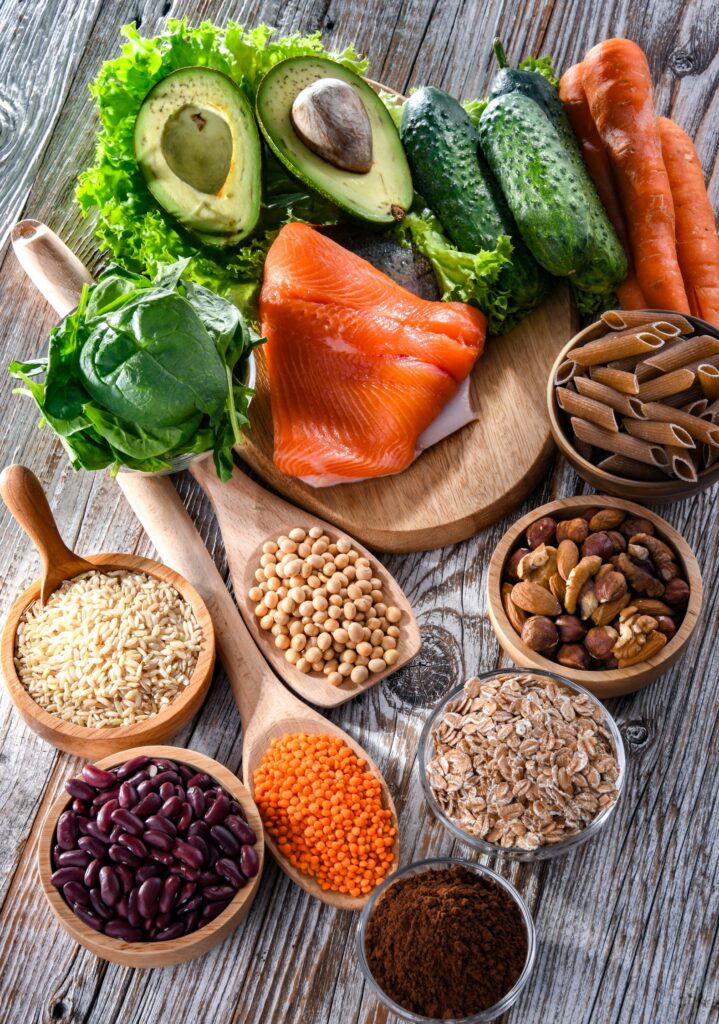
Module Two explores the critical role of prenatal nutrition through an epigenetic and developmental programming lens. Practitioners will examine how maternal diet and environmental inputs influence gene expression, organ development, and long-term health outcomes in offspring. Key topics include fetal programming, critical windows of development, nutrient-gene interactions, and evidence-based nutrition strategies that support optimal maternal and fetal health. This module equips clinicians with practical tools to translate emerging epigenetic science into meaningful clinical application.
At the end of this module, participants will be able to:
- Define epigenetics and explain how maternal nutrition influences gene expression during pregnancy
- Identify critical developmental windows when nutrition has the greatest influence on fetal development
- Describe how prenatal nutrition contributes to long-term health outcomes in offspring
- Recognize key nutrients involved in fetal programming and neurological development
- Apply evidence-based nutrition strategies that support optimal maternal and fetal health
Module Three: Nourishing the New Mom: The Fourth Trimester and Beyond

Module Three explores the postpartum period as a dynamic and critical phase of maternal and infant health. Practitioners will examine the physiological, hormonal, and metabolic changes that occur after delivery, with an emphasis on recovery, lactation, and long-term wellness. Key topics include postpartum nutrition and nutrient repletion, HPA axis recalibration, lactation physiology, and breast milk composition as well as common postpartum concerns such as mood disorders, thyroid dysfunction, mastitis, and musculoskeletal challenges. This module equips clinicians to deliver comprehensive, proactive, and patient-centered care throughout the fourth trimester and beyond.
At the end of this module, participants will be able to:
- Describe the key physiological and hormonal changes that occur in the postpartum period
- Explain how postpartum physiology influences maternal recovery, mood, and lactation
- Identify key nutritional priorities for postpartum healing, repletion, and breastfeeding
- Recognize common postpartum concerns and apply appropriate supportive strategies
- Evaluate gaps in postpartum care and integrate more comprehensive, patient-centered approaches
License Renewal
While applications relating to credit hours for license renewal in selected states have been executed for these programs, it remains attendees’ responsibility to contact the state board(s) or organizations from whom they seek continuing education credits for purposes of ensuring said board(s) or organization approves both venue and content as they relate to any seminar/course/lecture/webinar/online presentation (event). Neither a speaker’s or exhibitor’s presence at said event, nor product mention or display, shall in any way constitute NCHS endorsement. NCHS’s role is strictly limited to processing, submitting, and archiving program documents on behalf of course sponsors.
CE Information
There are various course approvals for ND, DC, LAc, CNS, ACBN, BCHN, NTP, and California RN but please refer to the CEU Approvals by State page for information on specific approvals.
Disclaimer
The following states do not allow online CEUs: Indiana, Kentucky, Louisiana, Mississippi, Wisconsin. At this time, online CEUs are not able to be processed for Florida.