Supporting Canine Cognitive Function: The Aging Dog Brain
As pets and people age, the accumulation of years is often accompanied by health challenges, both physically and cognitively. A multitude of factors influence the health of the brain and body over a lifetime, including genetics, lifestyle, environment, and nutrition. As dogs grow older, the cumulative effects of oxidative stress, inflammation, and nutritional deficiencies – often compounded by unstimulating or unhealthy environments – can contribute to memory impairment, reduced learning ability, and behavioral changes associated with cognitive decline.
Canine Cognitive Dysfunction Syndrome (CCDS) is a commonly used term describing the behavioral manifestations associated with progressive cognitive decline in the canine patient. Other terms used include: “The Geriatric Condition,” “Sundowning (Sundowner’s Syndrome),” and “Doggie Dementia.”
The acronym DISHAA is often utilized as a tool to help pet owners and veterinary professionals identify the key signs of cognitive decline.6
The letters stand for:
- D – Disorientation: Getting lost in what were once familiar places or stuck in corners, staring vacantly, exhibiting less reactive behaviors, and appearing to be puzzled by normal sights and sounds
- I – Interactions (altered): Changes in social interactions with family members or other animals, which might include increased neediness, irritability, and/or personality changes
- S – Sleep-wake cycle changes: A reversal of sleep-wake cycles, restless sleep and/or waking and wandering aimlessly at night
- H – House soiling: A previously well house-trained dog may urinate or defecate in the house and/or exhibit deficits in other “learned” behaviors
- A – Activity changes: Altered activity levels, such as a decrease in purposeful activity, disinterest in play, or (commonly noted) an increase in compulsive behaviors like pacing
- A – Anxiety: Increased behavioral manifestations of anxiety, fear, and/or stress
Canine Cognitive Dysfunction Syndrome (CCDS)
Pathogenesis
Late stages of CCDS are thought to be caused by the accumulation of beta-amyloid plaques (outside neurons) and tau tangles (inside neurons) in the brain. These aggregates lead to neuroinflammation, neuronal loss, and synaptic dysfunction, all of which are similarly seen in Alzheimer’s disease. In addition to the combination of these mechanisms, synaptic impairment, myelin disruption, and glial cell activation are also thought to play critical roles in CCDS pathogenesis.5
A complex set of variables, signs of which may be subclinical, contribute to the pathogenesis and onset of CCDS, long before a dog reaches its senior years.
Proactive use of nutritional supplementation starting at an early age, particularly aimed at 1) encouraging robust blood flow, 2) promoting strong mitochondrial function and energy production, and 3) supporting healthy inflammatory processes, may attenuate or slow the accumulation of plaques and tangles, mitigate damage to the structure and function of the brain, and thus potentially delay both the onset and the progression of CCDS.
Prevalence and Breed Disposition
Studies suggest an estimated prevalence of 8.1% in dogs ages 8-11 years, 18.8% in ages 11-13, 45.3% in ages 13-15, and 67.3% in ages 15-17 years of age.5 There does not seem to be a breed predilection; however, many of these clinical signs have been more frequently reported in smaller dogs, possibly due to their tendency to live longer than their large-breed counterparts.
Diagnosis of Canine Cognitive Dysfunction Syndrome (CCDS)
The diagnosis of CCDS is based on behavioral signs reported by owners through questionnaires, requiring significant reliance on the pet owner’s ability to successfully identify and recall subtle behavioral changes. Taking recall bias into consideration, compounded with the absence of reliable biomarkers, CCDS is likely underdiagnosed.
Prevention / Management
Since aging is an inevitable process in life, prevention of CCDS focuses on delaying the onset of clinical signs and maintaining adequate quality of life. Because aging encompasses multiple physiological changes, a multimodal approach that combines nutritional and lifestyle modifications offers a comprehensive strategy for forestalling CCDS. Optimizing specific dietary components, such as essential omega fatty acids, B vitamins supportive of cognitive health, herbal support, and trophic nutrients can promote a high quality of life in an aging dog. Supplementation with antioxidant nutrients, energetic cofactors, and specific minerals can address potential nutritional deficiencies.1
Supplement Options to Support Canine Cognitive Function
While more research is needed to substantiate the best supplements for delaying and managing the onset of CCDS, here are a few compounds of interest with documented benefits.
Ginkgo biloba

Ginkgo biloba is an herbal supplement rich in flavonoids and terpenoids. Flavonoids are potent antioxidants that protect brain cells from oxidative stress and free radical damage, damage that is linked to cognitive decline and neurodegenerative conditions. The terpenoid, bilobalide, is noted for its neuroprotective effects and has been shown to protect neurons from damage, promote neuron survival, and support energy metabolism in brain cells.
Other active components of Ginkgo biloba are proanthocyanidins and quercetin, contributing to antioxidative and anti-inflammatory effects.
Forty-two elderly dogs were enrolled in a study evaluating the effectiveness of a Ginkgo biloba dry leaf extract on behavioral disturbances commonly experienced by dogs over the age of 7 years.7
Results were determined by scores assigned to each clinical sign of cognitive decline (disorientation, sleep/activity changes, behavioral changes, general physical condition/vitality).
At a dose of 4 mg/kg for 8 weeks, Ginkgo biloba significantly reduced the severity of the “geriatric condition” in the dogs with a history of behavioral disturbances (p=0.0002).
Although statistical significance was not reached until 8 weeks, there was a noticeable difference in 4 weeks. All signs evaluated were significantly improved by the end of the study and at its conclusion, 36% of the dogs were completely free of the scored clinical signs of cognitive decline.
The combination of multiple bioactives in Ginkgo biloba work synergistically to provide cognitive benefits, such as reducing oxidative damage to brain cells, improving cerebral blood flow, modulating neurotransmitter activity, and protecting neurons from age-related damage.
These effects are believed to be the underpinnings for Ginkgo’s potential to enhance memory, improve cognitive function, and slow down cognitive decline, particularly in aging individuals or those with cognitive impairments.
Panax ginseng root

The Panax ginseng root is rich in active compounds called ginsenosides, which contribute to its wide array of health benefits. Ginseng is often referred to as an adaptogen, a natural substance believed to help the body resist stressors of various kinds, whether physical, chemical, or biological.2
Health benefits from Panax ginseng include boosting energy levels, reducing inflammation, and supporting the immune system. In the brain, ginseng has immunomodulatory and anti-inflammatory properties. Panax ginseng assists in keeping microglia cells (the primary immune cells of the central nervous system that operate as its defense, maintenance, and “clean-up” crews) in a healthy, anti-inflammatory state.
In a healthy state, microglia are highly dynamic, supporting neural circuits and brain function.
As age degeneration occurs, microglial cells (sometimes referred to as phagocytic neurons) may become stuck in a damaging positive feedback loop, inducing harmful cytokines, becoming proinflammatory, and eventually injuring microglial cells as well.
Ginseng can potentially prevent microglial cells from recruiting those harmful cytokines, thus reducing inflammation in the brain and enhancing cell survival.
Coenzyme Q10 (CoQ10)
Coenzyme Q10, also known as ubiquinone/ubiquinol, is a fat-soluble compound that plays a vital role in brain health through a myriad of mechanisms including energy production, antioxidant activity, support for cellular health and the immune system, as well as the regeneration of antioxidants. While found naturally in the body, CoQ10 levels tend to decline with age, which may factor into Alzheimer’s-related mitochondrial dysfunction and the progression of CCDS.
CoQ10’s natural functions in the body, including its role in energy production and antioxidant properties, underscores how important this ingredient is for brain health and why supplementation is of benefit and recommended.
B Vitamins
B vitamins are coenzymes in a multitude of enzymatic processes that underlie almost every aspect of cellular functioning. Additionally, each of these B vitamins play a crucial role in brain health.
- Thiamin (B1) is utilized as a neuromodulator in the acetylcholine neurotransmitter system and contributes to cellular membrane structure and function including neuroglia and neurons.3
- Niacin (B3) works to modulate inflammatory cascades and participates in the synthesis of neurotransmitters, essential for communications between cells. It assists in the breakdown of fat, protecting against the development of atherosclerosis (hardening of the arteries).
- Pantothenic Acid (B5) is the substrate for coenzyme-A which contributes to the structure and function of brain cells through its involvement in cholesterol, amino acid, phospholipid, and fatty acid synthesis.3 It is also involved in the synthesis of steroid hormones and multiple neurotransmitters.
- Pyridoxine (B6) is a rate-limiting cofactor in the synthesis of neurotransmitters such as dopamine, serotonin, gamma-aminobutyric acid (GABA), noradrenaline, and melatonin.
- Folate (B9) is crucial for DNA synthesis and stability as well as cell division, processes that are critical for cognitive development and function. Folate is recommended during pregnancy to reduce the risk of birth defects of the spine (such as spina bifida, the spinal column doesn’t close properly) and brain (anencephaly, the brain and/or the skull don’t form properly). When there is a folate deficiency, neuronal differentiation and repair may be impacted leading to hippocampal atrophy, demyelination, and compromised phospholipid membranes upsetting the normal flow of nerve impulses.
- Cobalamin (B12) protects myelin (the protective sheath around nerves) and is involved in neurotransmitter synthesis (including serotonin and dopamine, neurotransmitters that affect mood, memory, and focus). Along with folate (B9) and pyridoxine (B6), cobalamin (B12) also assists in breaking down homocysteine (high levels of homocysteine are linked to poor cognitive function and increased risk of cognitive decline).
With the simple addition of readily available B Vitamins, aging dogs stand to benefit enormously, physically and neurologically, on multiple fronts.
Beta-glucan
Beta-glucans are structural components in the cell walls of fungi (including mushrooms and yeast), cereal grains (such as oats), and bacteria that are clinically supported to promote immune system and gastrointestinal tract health.
Orally administered beta-(1,3)/(1,6)-glucans cause immunopotentiation, modulating both non-specific and specific immunity.
In a study in healthy dogs, 4 mg/kg mushroom beta-glucans were administered to 30 puppies (15 in treatment group) undergoing vaccination against rabies and canine parvovirus. Significant increases (p <0.001) in phagocytic activity of leukocytes were observed compared to the control group as well as protective titers were achieved earlier and reached higher levels than the control group.9
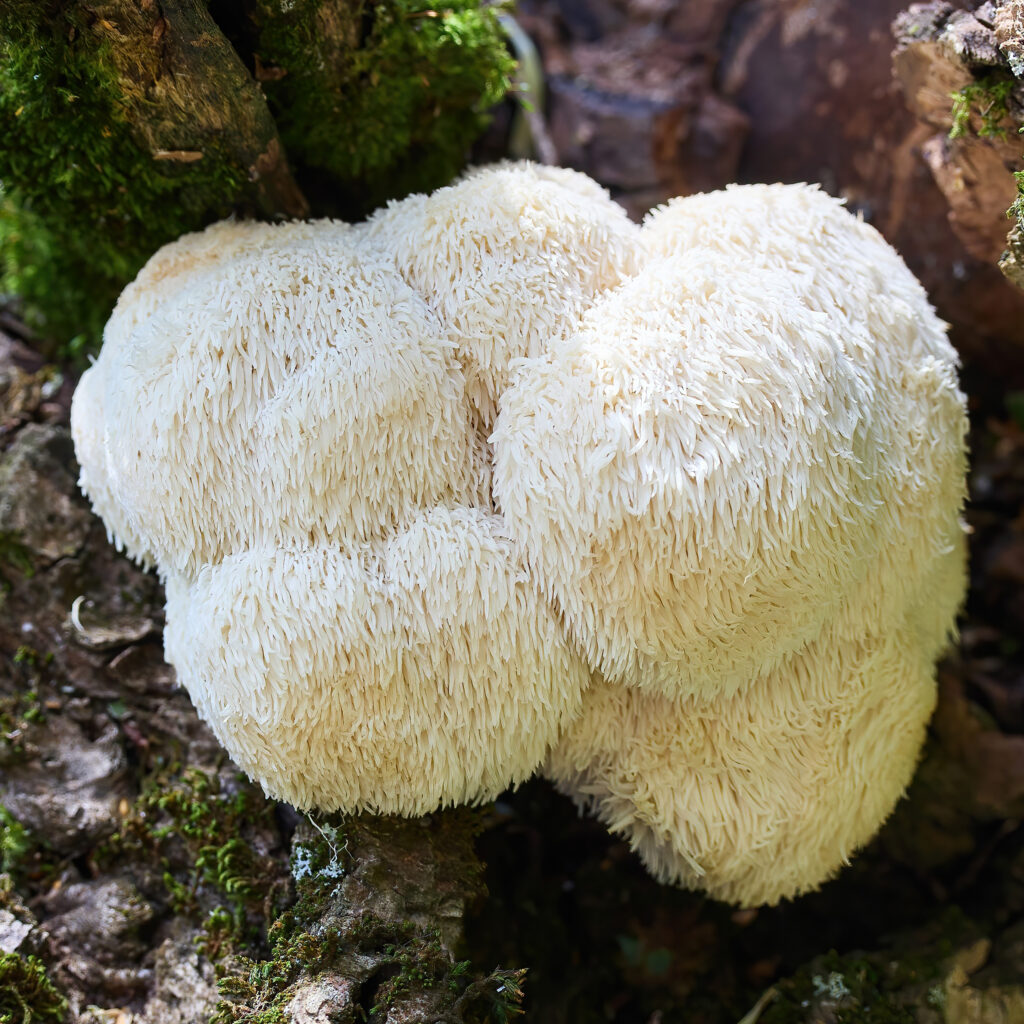
Organic Lion’s Mane (Hericium erinaceus) mushroom extract: In addition to beta-(1,3)/(1,6)-glucans, Lion’s Mane also contains powerful bioactive compounds such as the diterpenes, hericenones and erinacines.8 These compounds are thought to be responsible for the stimulation of nerve growth factor and brain derived neurotrophic factor, which assist in the prevention of neuronal death as well as the maintenance and repair of neurons.
Alpha-Glyceryl Phosphoryl Choline (Alpha-GPC)
Alpha-Glyceryl Phosphoryl Choline is a choline donor that can provide the choline required to produce an important neurotransmitter, acetylcholine.
- Acetylcholine is crucial for energy regulation and utilization, influencing alertness, focus (motivation), and neuromuscular control, all energy-intensive processes.
- Acetylcholine is integral to brain metabolism, especially in supporting neurons’ metabolic demands for functions including attention, memory, and learning.
Supplementation with Alpha-GPC allows more choline to reach the brain faster and more efficiently compared to standard supplementation of choline alone.
Both Alzheimer’s disease and CCDS are characterized by cholinergic hypofunction with reduced levels of acetylcholine.5 Alpha-GPC supplementation is recommended towards enhancing production of the acetylcholine needed and used by the brain.
Hawthorn berry (Crataegus species)
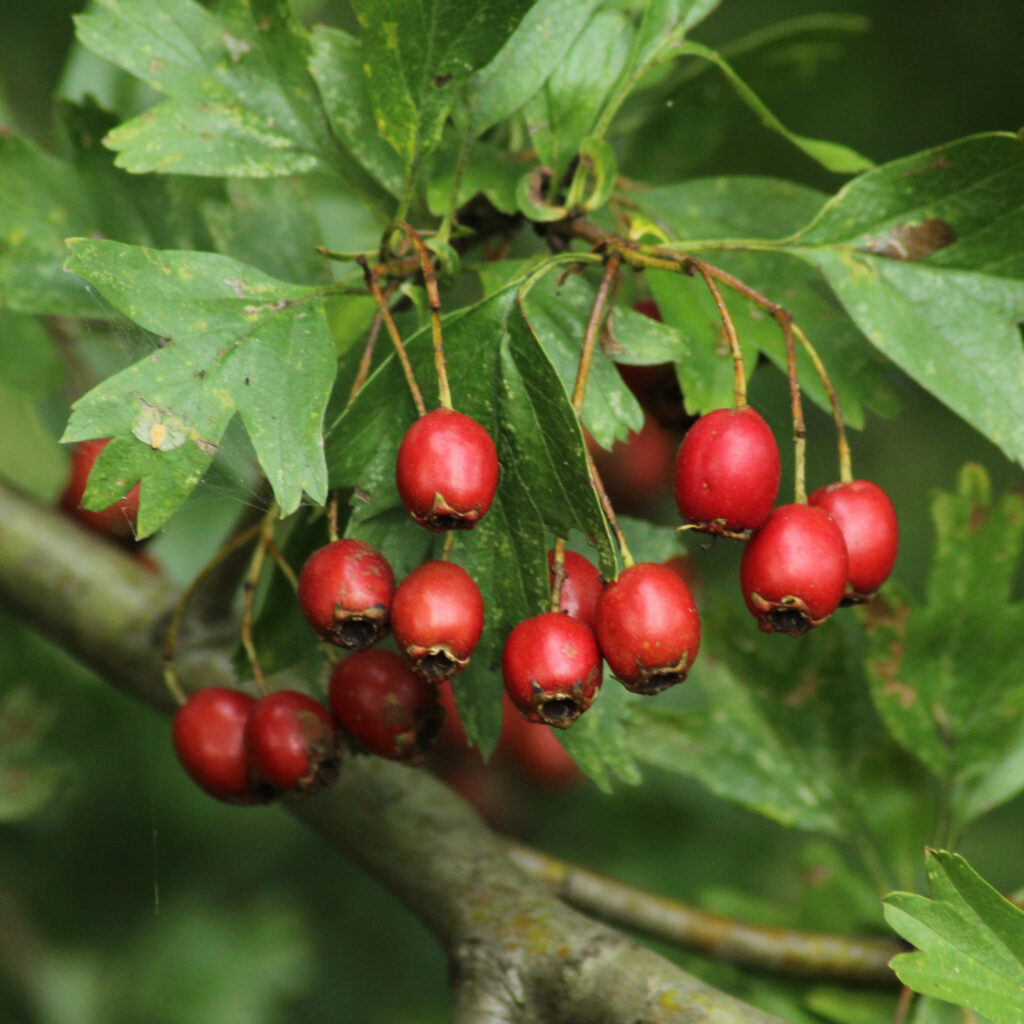
This herb has traditionally been used for cardiovascular issues, including congestive heart failure, by aiding in the dilation of the coronary vessels and promoting healthy blood flow. It facilitates dilation of the blood vessels in the brain, encouraging delivery of oxygen and nutrients. Recent studies have shown promising effects on modulating anxiety in animal models.4
Hawthorn (berry) contains antioxidants and flavonoids that protect the brain from oxidative stress and support healthy inflammatory processes.
These modes of action underscore the potential of hawthorn as a natural therapeutic agent in not only cardiovascular health but also towards supporting brain health and cognitive function.
Clinical Takeaways
Canine Cognitive Dysfunction Syndrome can present challenges for both dogs and their families. Fortunately, with an understanding of nutrition and implementation of nutritional supplementation, pet owners have options that may delay the onset of CCDS.
By recognizing the signs of Canine Cognitive Dysfunction Syndrome (CCDS) and intervening early, pet owners can take proactive steps to provide comfort, preserve quality of life, and allow dogs to enjoy more priceless time with their families, cherishing the many benefits of the precious human-animal bond.

Supplements for Healthcare Practitioners
Join a community of 60,000+ like-minded healthcare professionals. A relationship with Standard Process offers networking opportunities, and an array of educational resources and tools to help grow your practice.
Learn more
1. Araujo, J. A., Landsberg, G. M., Milgram, N. W., & Miolo, A. (2008). Improvement of short-term memory performance in aged beagles by a nutraceutical supplement containing phosphatidylserine, Ginkgo biloba, vitamin E, and pyridoxine. The Canadian veterinary journal = La revue veterinaire canadienne, 49(4), 379–385.
2.Irfan M, Kwak YS, Han CK, Hyun SH, Rhee MH. Adaptogenic effects of Panax ginseng on modulation of cardiovascular functions. J Ginseng Res. 2020;44(4):538-543. doi:10.1016/j.jgr.2020.03.001
3.Kennedy D. O. (2016). B Vitamins and the Brain: Mechanisms, Dose and Efficacy–A Review. Nutrients, 8(2), 68. https://doi.org/10.3390/nu8020068
4.Khan, A., Akram, M., Thiruvengadam, M., Daniyal, M., Zakki, S. A., Munir, N., Zainab, R., Heydari, M., Mosavat, S. H., Rebezov, M., & Shariati, M. A. (2022). Anti-anxiety Properties of Selected Medicinal Plants. Current pharmaceutical biotechnology, 23(8), 1041–1060. https://doi.org/10.2174/1389201022666210122125131
5.Kim, S. H., & Hao, J. (2025). Recent advances in diagnostic and therapeutic strategies for canine cognitive dysfunction. American Journal of Veterinary Research, 86(8), ajvr.25.02.0053. Retrieved Oct 24, 2025, from https://doi.org/10.2460/ajvr.25.02.0053
6.Landsberg GM, Nichol J, Araujo JA. Cognitive Dysfunction Syndrome. Veterinary Clinics of North America: Small Animal Practice. 2012;42(4):749-768. doi:10.1016/j.cvsm.2012.04.003
7.Reichling J, Frater-Schröder M, Herzog K, Bucher S, Saller R. Reduction of behavioural disturbances in elderly dogs supplemented with a standardised Ginkgo leaf extract. Schweiz Arch Tierheilkd. 2006;148(5):257-263. doi:10.1024/0036-7281.148.5.257
8.Saitsu, Y., Nishide, A., Kikushima, K., Shimizu, K., & Ohnuki, K. (2019). Improvement of cognitive functions by oral intake of Hericium erinaceus. Biomedical research (Tokyo, Japan), 40(4), 125–131. https://doi.org/10.2220/biomedres.40.125
9.Vojtek B, Mojžišová J, Smrčo P, Drážovská M. Effects of orally administered β – 1,3/1,6 – glucan on vaccination responses and immunological parameters in dogs. Food Agric Immunol. 2017;28(6):993-1002. doi:10.1080/09540105.2017.1324407